


Sound Impressions: Mids / Timbre
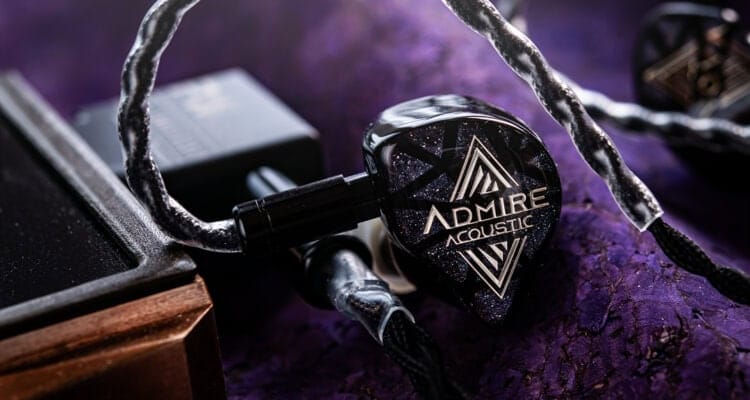
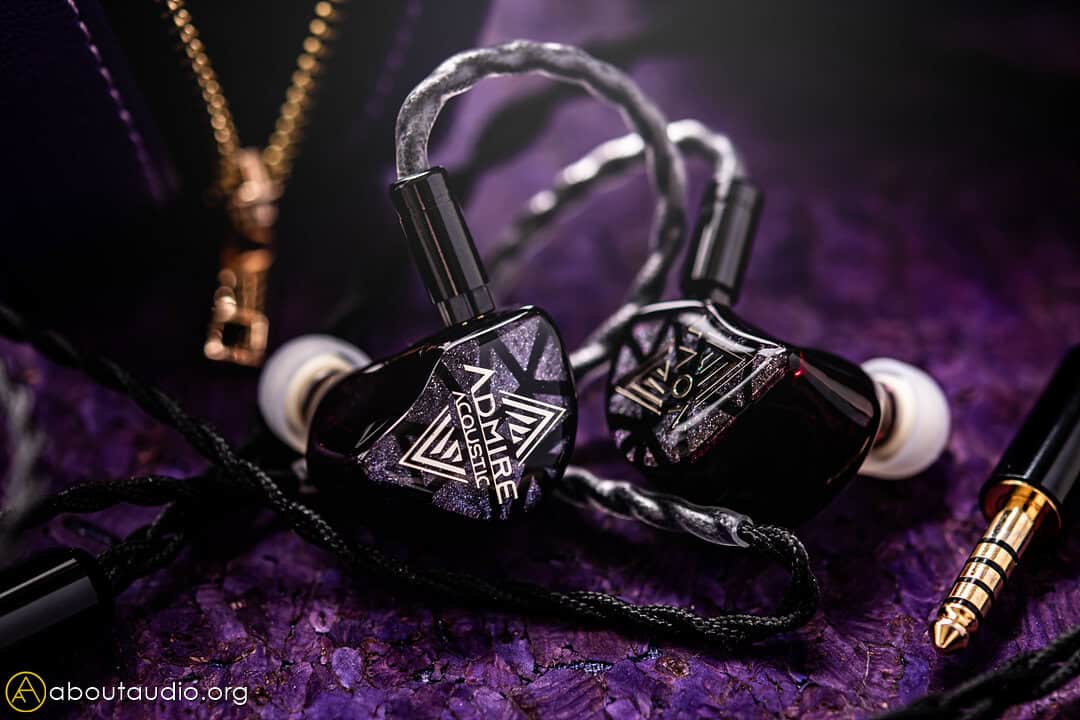
Nova has a vibrant W-shaped sound signature with emphasized mids. That being said, this time let’s cover the sound impressions starting from the centerpiece – the mid-range. Out of 13 drivers, eight are dedicated to the mid-range. It may seem excessive on paper, though once listening to the sound, the decision feels fully justified. Nova’s mids are quite special even among the other charismatic flagship IEMs available on the market. Nova has mids that bloom with a majestic, radiant tone, yet it somehow doesn’t get colored or unbalanced at all. Under natural continuation with lows and highs, the mids prominently take a step closer to the ears, and they’re like singing lushness into the ears.
Vocals are neutral-thick with neutral brightness, having warmth and smoothness as a base tone, then topped with breezy transparency and gentle openness. Nova keeps a reference-like phasing that keeps the sound flow linear and consistent throughout the spectrum, though, as done with the lows, Nova also emulsified a unique holographic imaging that makes the sound thoroughly three-dimensional while not diluting the accuracy of the phasing. Upper mids gain a bit more shine and transparency, which serves as a connection for the treble airiness. There’s a hint of extra shine and amplified quantity; those who are sensitive to neutral-bright or treble altogether may find Nova a tad overpowering for the mids, so keep in mind if that’s your preference. Nova pairs exceptionally well with pop, live concert tracks, and vocal-centric genres, rather than treble-aggressive genres such as rock, hip-hop, or EDM. Once paired appropriately with the suitable genres, Nova’s vocals are absolute resolution diggers that offer refreshing and naturally crispy timbre.
Sound Impressions: Bass
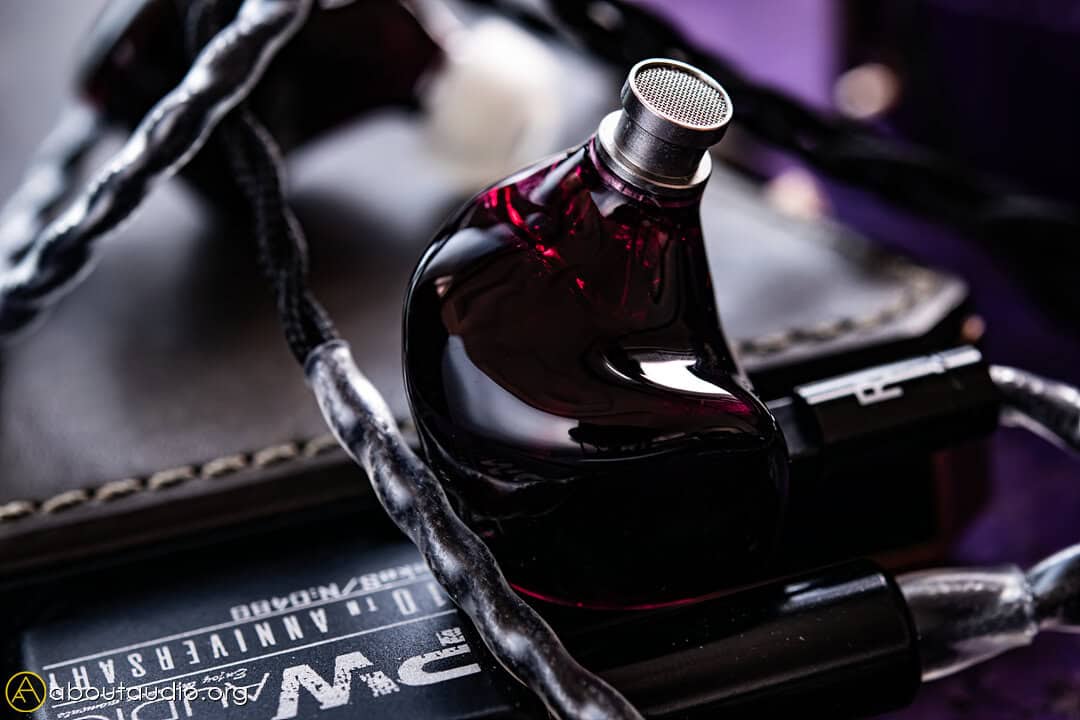
Nova’s bass philosophy is tight control and prominent elasticity – and what I mean by the bass being “elastic” is the lively, natural amplitudes and ambiance that are unique to dynamic drivers. The bass is very well nuanced while keeping the quantity reserved – just enough to be equivalent to those that are slightly v-shaped. The sub-bass may not be basshead level; however, the tone/presence/depth of the bass highlights the low-end details very boldly. The bass quantity should be enough for the all-rounders. Nova does an exceptional job revealing the texture and layerings of the bass without getting them grainy or unnatural. Keeping a smooth, natural tone and texture, lows carry satisfying weight and density – arguably one of the nicest bass within the recent flagship IEM market.
What I particularly found pleasing with Nova has to do with how it spaces the bass while keeping the phasing strictly accurate. Nova offers the resolving pleasure that comes from listening to spot-on phasing, though it also seamlessly creates a holographic imaging that boosts the immersiveness and ambiance of the bass. While Admire Acoustic hasn’t gone into much detail on the whats and hows regarding their acoustic structure, this particular presentation made the bass sound abide by my memories. Nova’s bass has the benefit of both musicality and analyticity, as it achieves both sharp phasing and spatial expansion. Very interesting case where a dynamic driver sound is redefined to sound like a bone conduction driver, and Admire Acoustic executed it well.
Sound Impressions: Highs / Soundstage
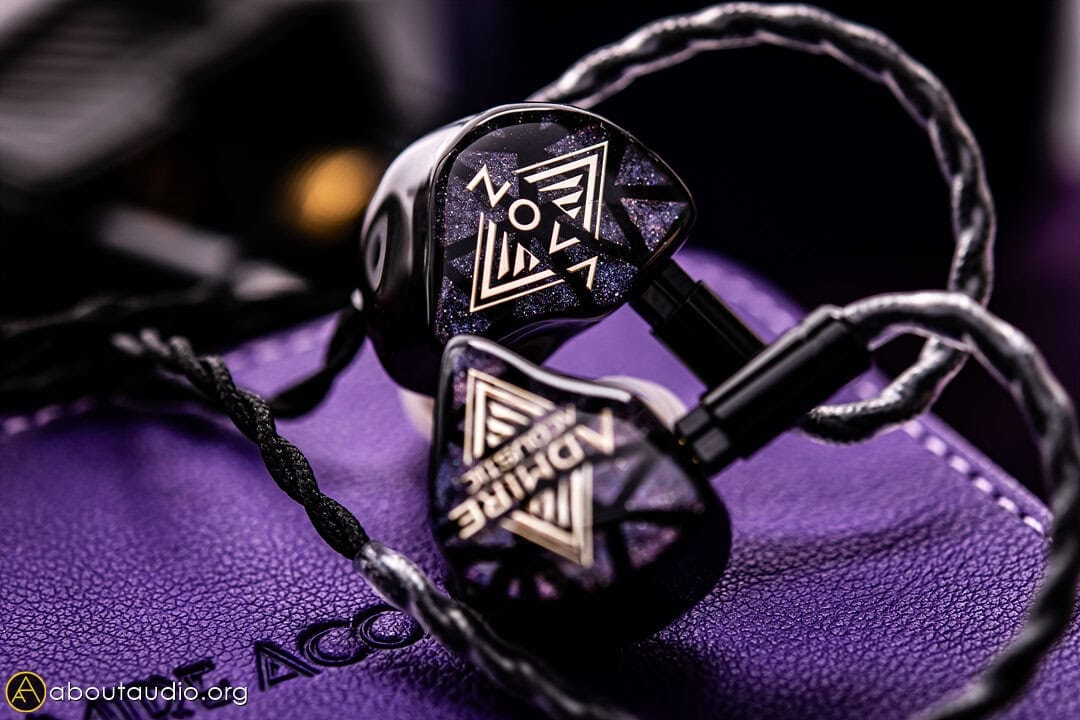
While it may be common to use BA or EST for the tweeters, Admire Acoustic deployed planar drivers for the highs. As any driver does, planars have their own pros and cons; the advantage is that it as exceptional treble extension and the natural “elasticity” like dynamic drivers do for the bass, while the potential drawback is that it’s hard to make fine control over tuning, being vulnerable to causing harsh and shouty sound. Nova uses 4 planar tweeters, and Admire Acoustic have done a fantastic job tuning them.
Highs offer crystal-clear resolution with lush micro details, yet it doesn’t get any fatiguing or shouty. I’ve mentioned the upper mids may occasionally feel a bit overpowering depending on genre and preference, though highs don’t double down on that possibility – instead, highs are calmer in quantity and smoother in texture. The treble splashes and tingle sound a lot more natural, especially when tuning into how the treble disperses into incredibly fine particles across the upper headroom. Certainly a type of treble that is so interesting (and unique to) planar drivers. Nova nailed carrying out these potentials while preventing the commonly known planar harshness.
Highs offers that elastic, bouncy groove, providing intense musical enjoyment. It doesn’t progress into sounding bombastic or overtone. Highs are very tightly controlled, as well as trebles carry good weight with it – certainly not the type of trebles that flutter around. Trebles make bold and firm establishment for the upper headroom, making agile response with natural, gradual decay. Soundstage is neutral-large, though the holographic presentation being generated from all three sound bandwidths creates a very holographic, immersive staging. It’s perhaps the largest an IEM could create while keeping a reference-like tuning and without exaggerating to sound something beyond an earphone. The soundstage forms from the center and expands spherically. Nova has great up/down extension and amplitude, which further contributes to creating this 360-degree spherical headroom. Separation is another strong point of Nova; its detailed layering and separation surpass many other higher-priced TOTL IEMs.
Next Page: Flagship IEM Comparisons (with Canpur CP622B / Palavox Dark Knight / Eminent Ears Ruby) & Verdicts