


QOA Misty Blue Quick Review: Budget-Premium Done Right
Queen of Audio (QOA) is a Chinese earphone brand that’s been serving the audiophile scene long enough (and popular enough) to have long since gone beyond being a newcomer. Started off with their debut IEM Pink Lady, QOA have been steadily releasing a variety of audio products in a wide range of prices, yet being most focused on being cost-effective. We’ve recently reviewed their most recent flagship IEM, Martini, and now we’re continuing the QOA reviews with their latest budget-premium IEM, the Misty Blue. Co-created with a Japanese J-pop singer, Eir Aoi, Misty Blue is a 2DD+2BA hybrid IEM priced at about $279. Let’s find out the features, how it sounds, and how it compares to other competitor earphones.
Packaging / Accessories / Cable
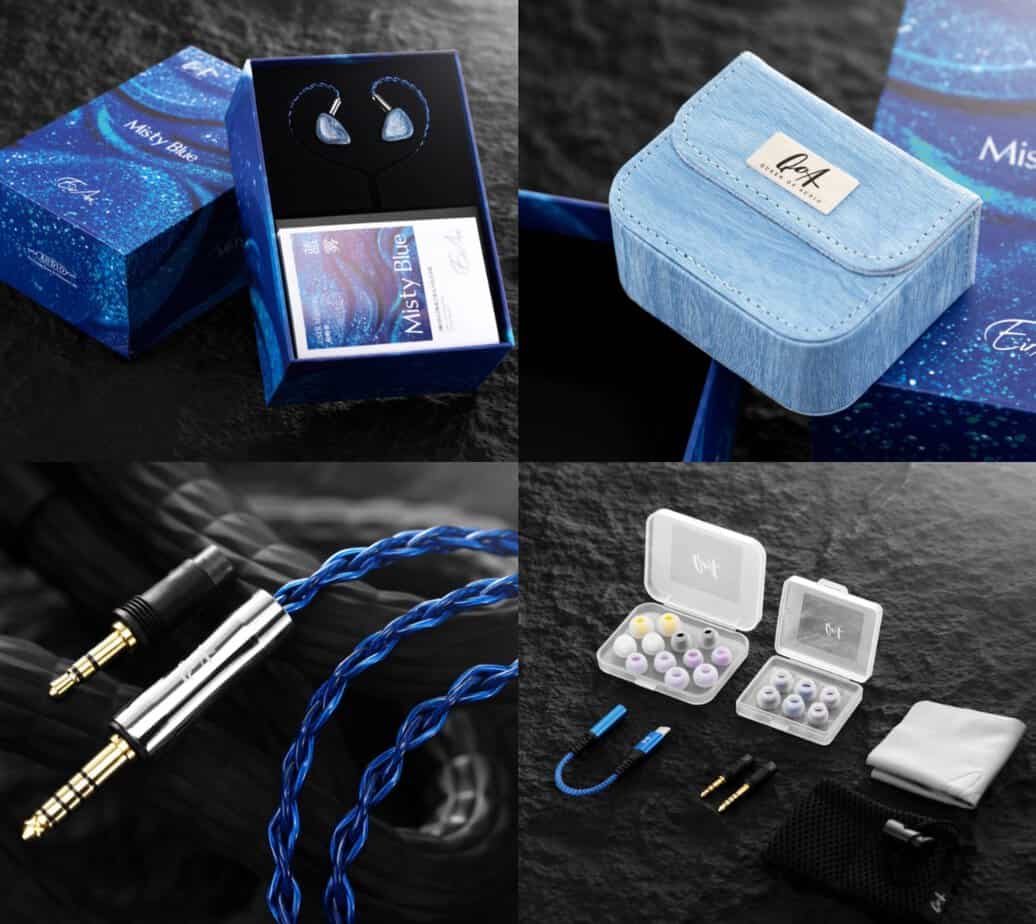
Misty Blue arrives in a serene blue aesthetic box inspired by the Eier Aoi’s collaboration branding. Opening it up reveals a generous set of accessories: 9 pairs of silicone eartips in different sizes, a leather storage case, a two-pocket IEM pouch, a USB-C to 3.5mm adapter, a cleaning cloth, and documentation. The dual carry option between the leather case and the mesh pouch is a practical combination.
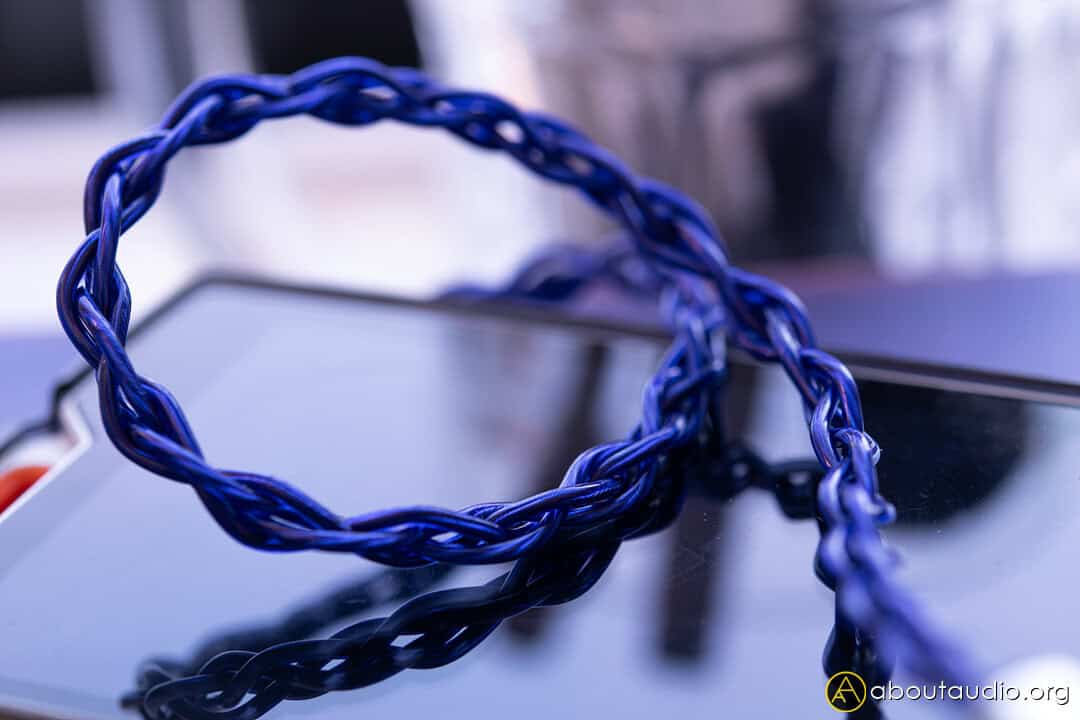
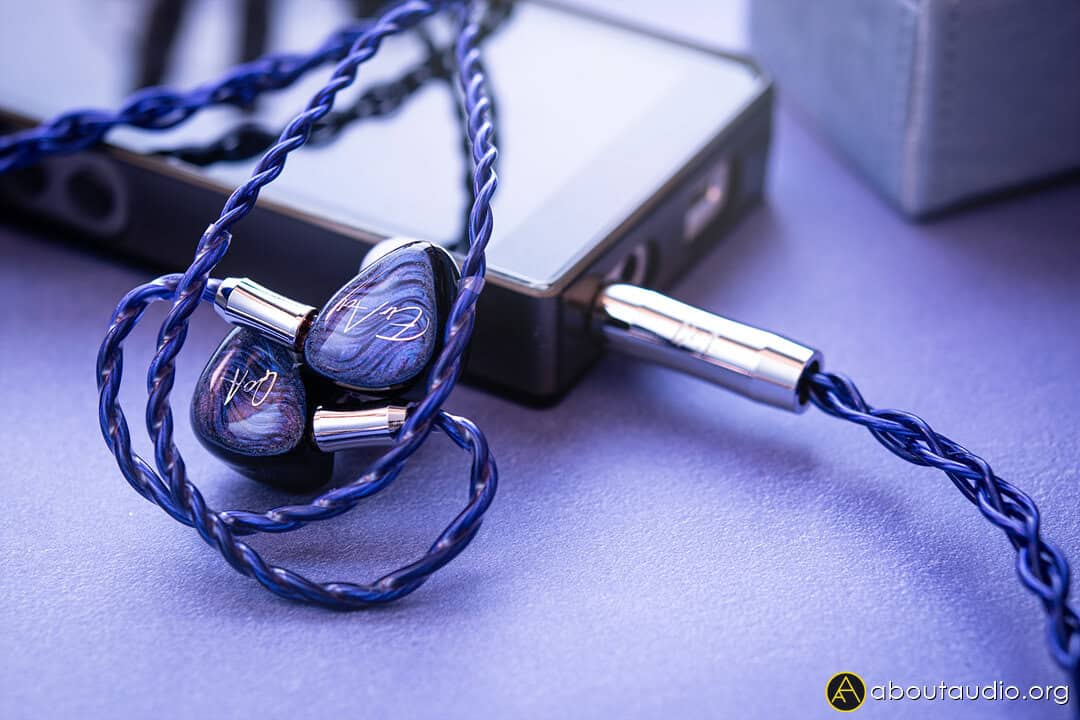
The stock cable is a 4-strand Litz OCC silver-plated wire with 0.78mm 2-pin connectors and a modular plug that swaps between 3.5mm and 4.4mm – a very convenient inclusion at this price range that saves you from needing to buy an adapter or a second cable. The cable is very light and handles well with no notable microphonics.
Earpieces Design (Techs / Drivers / Features)
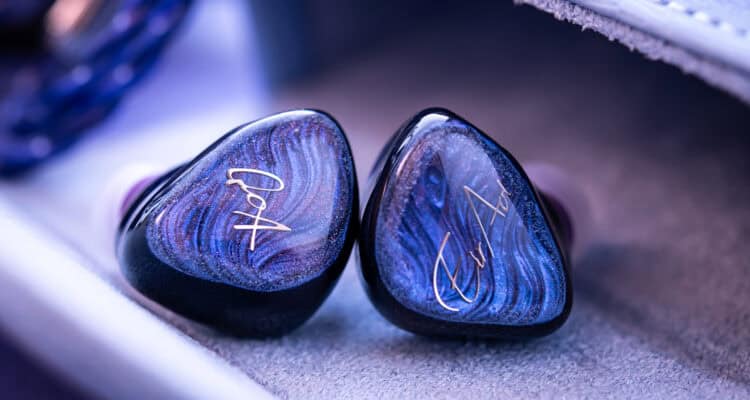
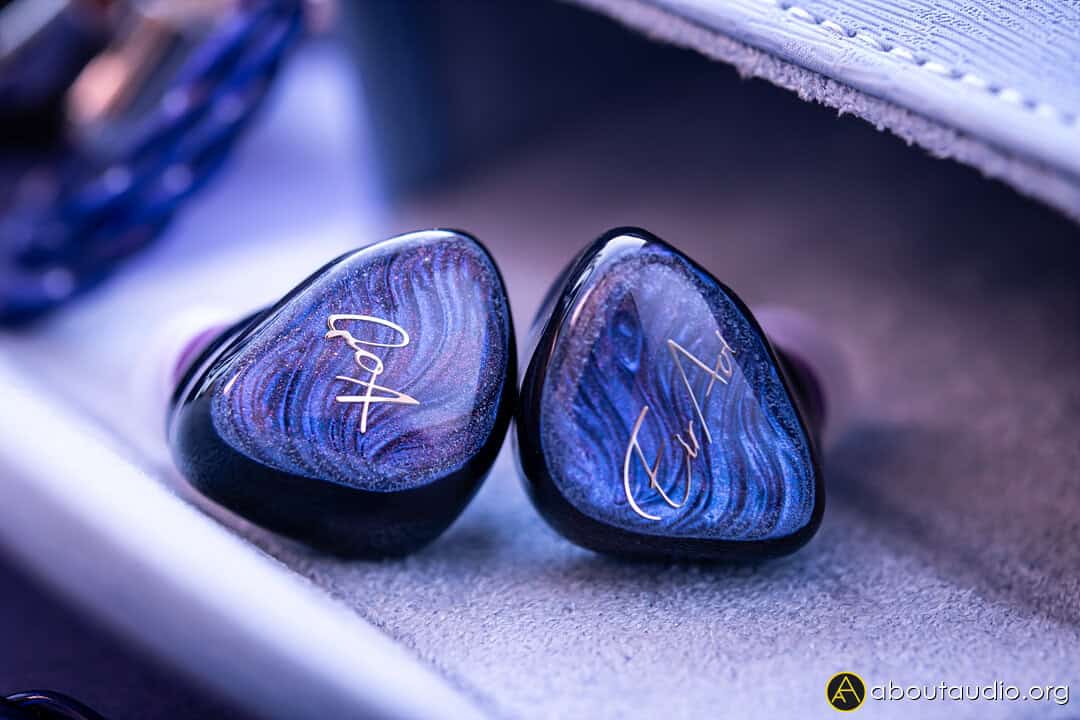
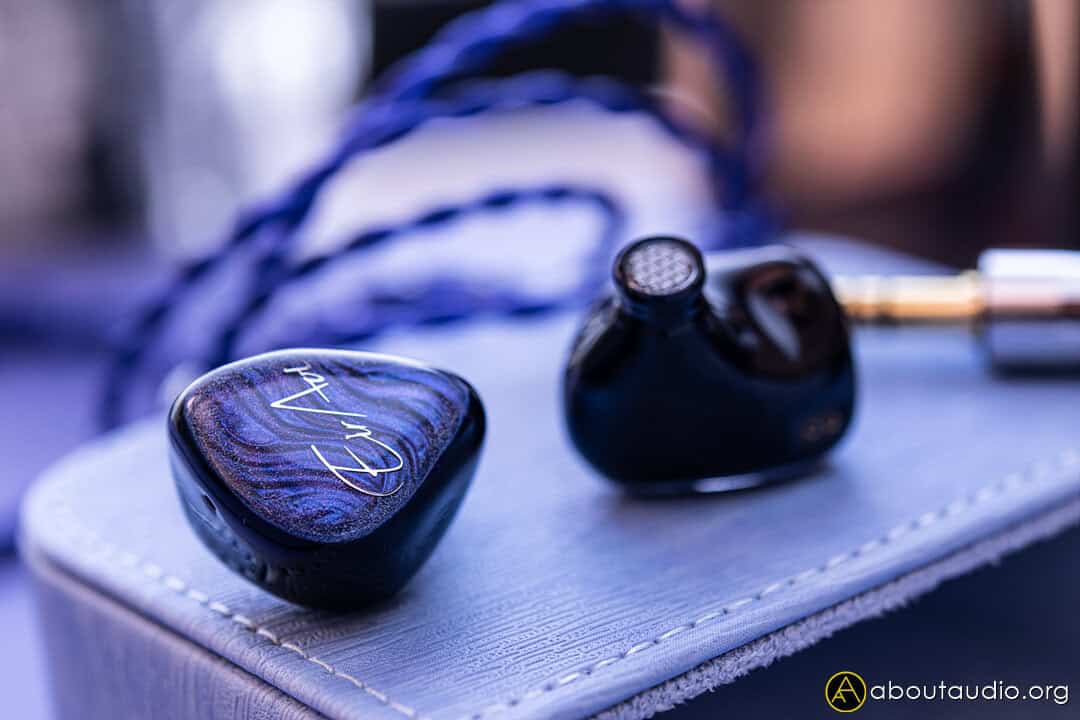
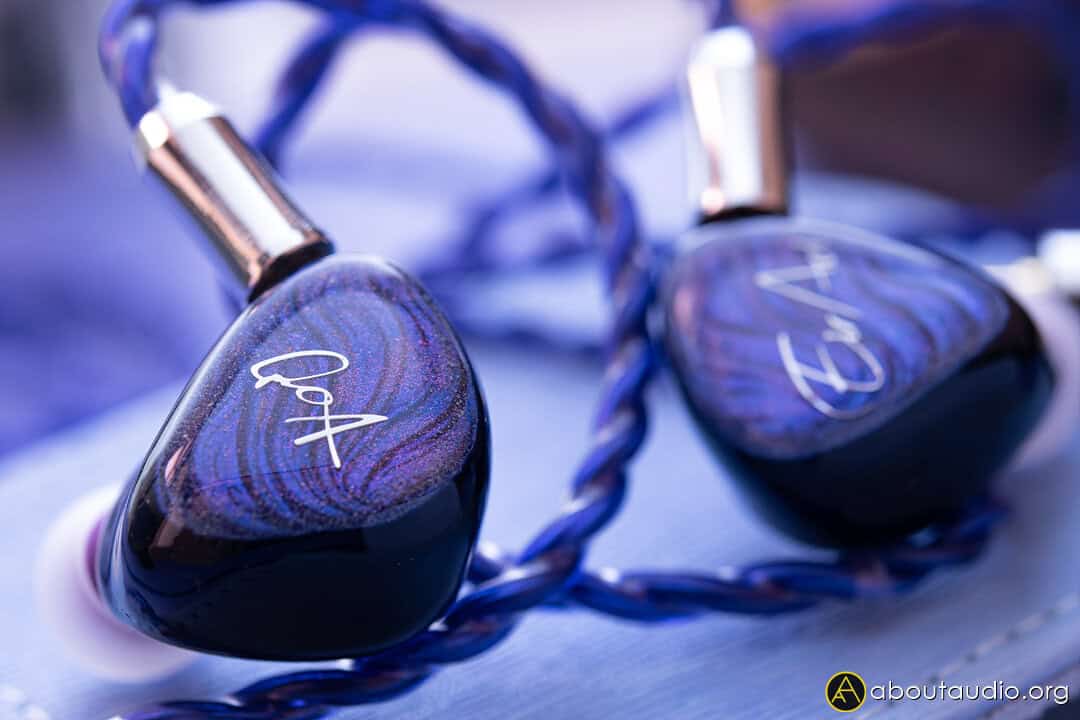
The earpieces are made of resin shells with a deep blue base and fine indigo sand encapsulated inside, creating a spatial and layered depth that shifts under different lighting. QOA definitely treated Misty Blue with great effort, as Misty Blue’s level of design quality is hard to find even among the already-competitive Chi-Fi industry. Earpieces are small, lightweight, and ergonomically designed to allow a secure, comfortable fit for smaller ears.
Tech-wise, Misty Blue uses a 2DD+2BA hybrid driver setup. The bass is handled by a 10mm dynamic driver with a 6μm PET diaphragm and a custom voice coil for reduced distortion. The midrange gets its own dedicated 8mm titanium-coated PET dynamic driver – a configuration you don’t often see at this price, with each DD assigned to a specific range rather than sharing duties. Mids and trebles are then handed off to a custom QOA BA and a Knowles BA, respectively. The dual-DD split approach is the most interesting technical decision as it reflects QOA’s tuning intent for the vocals to sit on their own dedicated driver rather than relying on the bass DD to cover both.
QOA Misty Blue Specifications:
- Drivers: 10mm 6μm PET DD (bass) + 8mm Titanium PET DD (mids) + 1 Custom QOA BA + 1 Knowles BA
- Impedance: 30Ω
- Sensitivity: 105dB ±2dB
- Frequency Response: 20Hz – 20kHz
How does the Misty Blue Sound?
Bass: The bass on the Misty Blue is smooth, organic, and well-controlled. The Misty Blue’s dynamic driver delivers a sub-bass that reaches down confidently with a clean and natural character – not aggressive or oversized, but present enough to give the overall sound a satisfying foundation. The quantity sits around mildly v-shaped, which keeps things musical without tipping into being too bassy. Decay is natural and doesn’t linger past its welcome, giving the low end a tidy presentation that doesn’t interfere with the vocals above.
Mids: Vocals are the main player of the Misty Blue, which makes sense given the collaboration context. The vocal presentation is clean and natural in tone, and gently pulled forward. It’s well-separated from the bass below it yet not detached either, keeping a gradual and harmonious flow as the sound transits from sub-bass to the lower mids. The tone is warm-neutral with a smooth, pleasing timbre that handles female vocals particularly well – the upper mids are slightly brightened but never sharp. There’s a comfortable airiness to the vocal range that makes it easy to listen to for long sessions without fatigue.
Highs / Soundstage:
Highs are crisp and extended without overstepping its role. Trebles are detailed and airy, with a clean sparkle to high-frequency instruments that complements the warmer tone of the lower range. The balance between the warm DD body below and the BA-driven crispness on top is one of the more natural hybrid integrations I’ve heard in this price range – it doesn’t feel like two different personalities forced together. Brightness is well-managed and stays fatigue-free throughout. Soundstage is quite spatial yet within the range of keeping enough neutrality and linearity, so it’ll be ideal for those who are more used to the natural hybrid sounds than aggressively spatialized BCD-driven IEMs.
Next Page: IEM Comparisons (QOA Martini / Twistura Beta / BQEYZ Wind / AFUL Magic One) & Verdicts