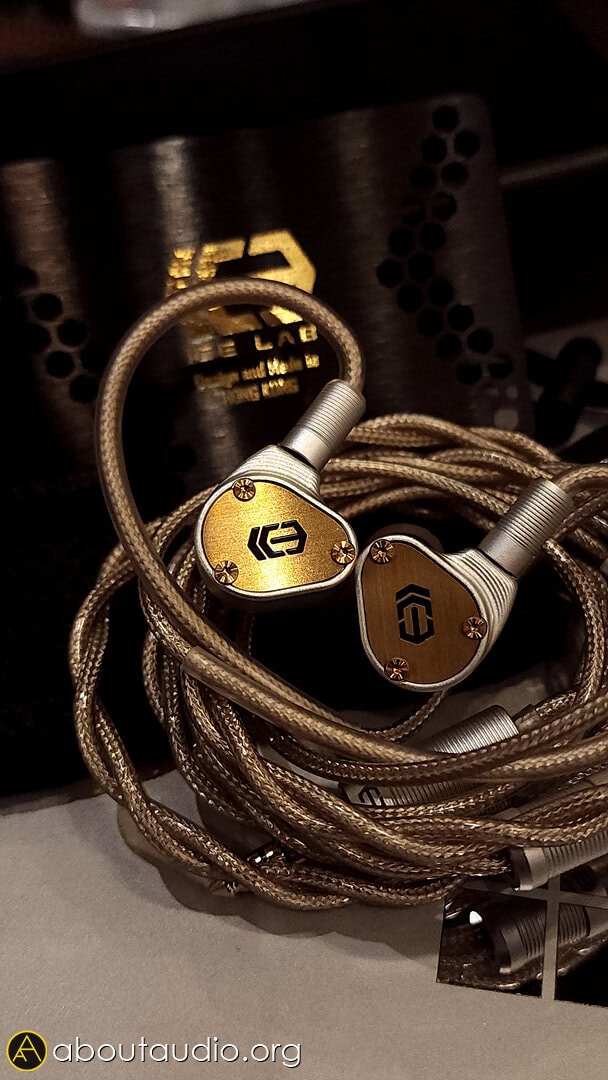




Compared to QOA Misty Blue (Review link)
Misty Blue is QOA’s $279 hybrid IEM featuring a 2DD+2BA setup, with a balanced, warm-neutral tuning that focuses on natural timbre and vocal clarity. Both IEMs are quite musical and comfortable to listen to, though Lumira has a considerably stronger and more full-bodied presentation. Misty Blue keeps its bass quantity around mildly V-shaped, with smooth, organic reverbs and gentle strikes. Lumira goes deeper and stronger, bringing more bass density and a larger low-end headroom. Despite the stronger bass, Lumira maintains impressive control and definition, keeping the lows clean without interfering with the vocals.

Misty Blue has a slightly forward, warm-neutral midrange with a smooth and refreshing vocal timbre. Lumira brings more body and weight to the vocals, while also revealing finer textures with greater clarity. The mids sound more elaborate and resolving on Lumira, whereas Misty Blue takes a gentler and more straightforward approach. Trebles are crisp and airy on both, though Lumira brings a more delicate and extended upper-end presentation.
Lumira also creates a larger, more spacious soundstage, while Misty Blue keeps the imaging closer to a natural, balanced scale. Misty Blue remains an excellent choice for those seeking a smooth, vocal-friendly daily IEM at an affordable price, while Lumira brings a stronger sense of bass authority and refinement throughout the sound.

Compared to QOA Martini (Review link)
Martini is QOA’s $599 tribrid flagship featuring a 1DD+4BA+1BCD configuration. Both Martini and Lumira offer a well-controlled and natural sound, though Martini has a more reference-like approach to its bass. The lows on Martini are relatively gentle, with a mildly V-shaped quantity and a tactile BCD response that adds subtle physical vibrations without exaggerating the bass presence. Lumira goes noticeably stronger and fuller, bringing deeper tonal weight and a wider spread of bass reverbs. Martini keeps its low-end response tight and precise, while Lumira offers a more substantial, room-filling presentation without sacrificing control.
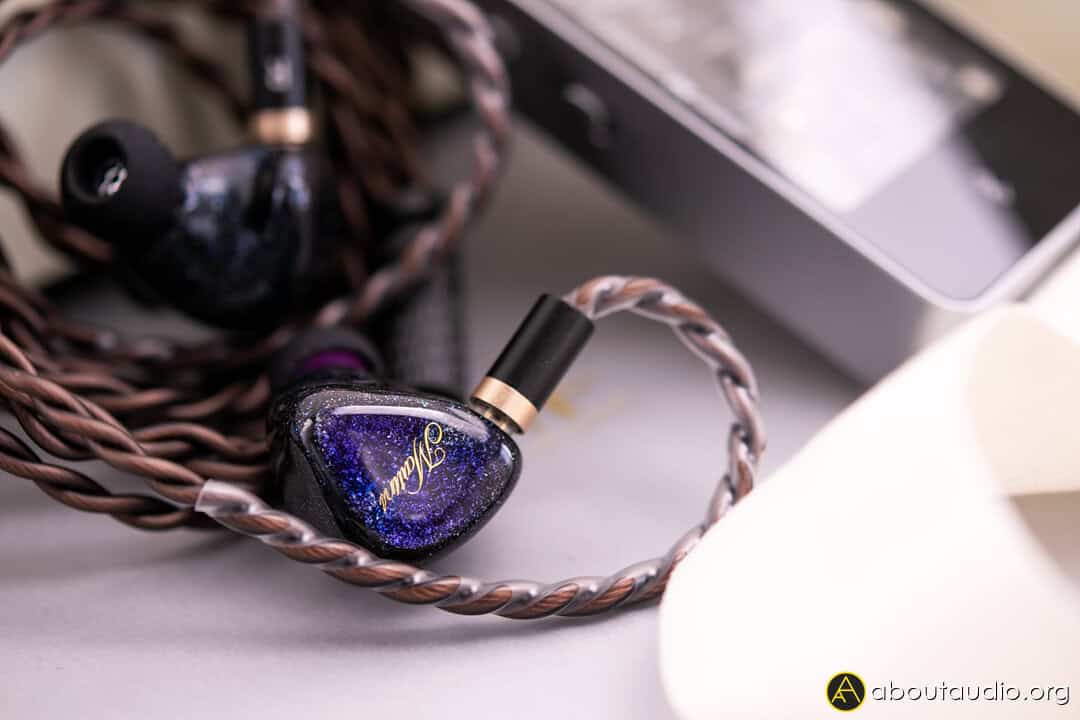
Their vocal presentations also differ quite a bit. Martini has a neutral-warm timbre with slightly leaner vocals, focusing on articulation and a gradual increase in clarity toward the upper mids. Lumira brings a thicker and richer vocal body, with a silky yet crisp texture that gives the mids a more substantial presence. Martini has a sparkly, airy treble presentation with excellent separation, whereas Lumira keeps the highs finely detailed and smoothly connected with the rest of the sound.
Martini creates an accurate, holographic stage with precise instrument positioning, while Lumira offers a more expansive and full-bodied atmosphere, particularly in the low-end headroom. I’d consider Martini the more reference-oriented choice for those prioritizing tonal balance and tactile precision, while Lumira is more appropriate for listeners wanting richer bass, fuller vocals, and an open, immersive sound.
Compared to Letshuoer Ember (Review link)
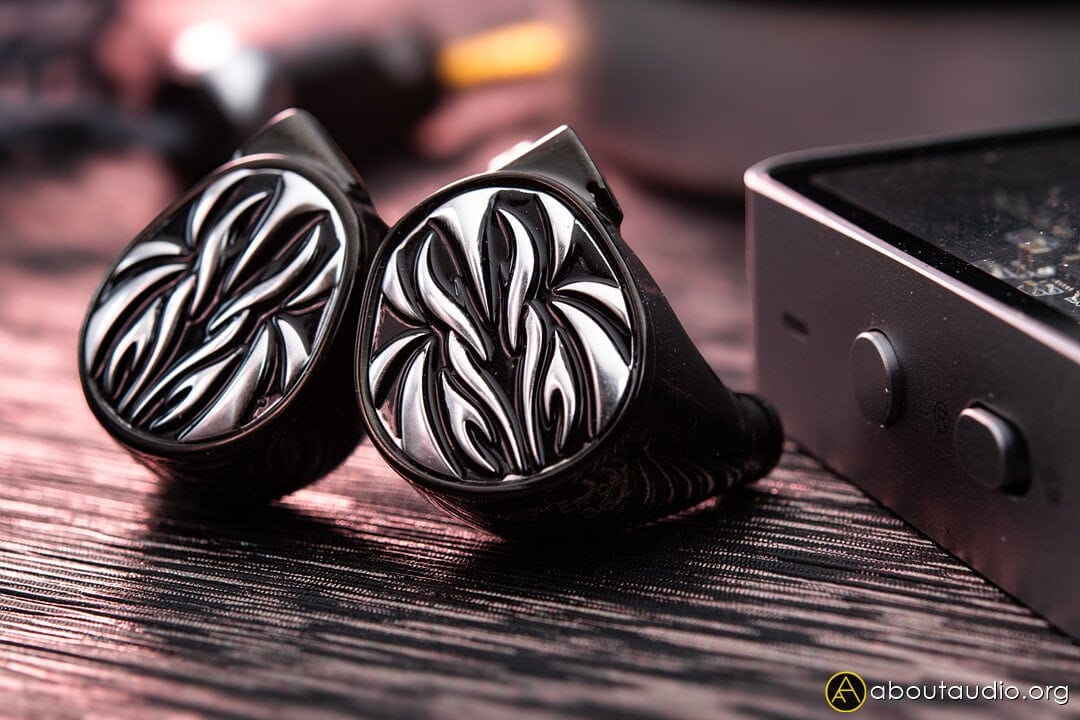
Ember is Letshuoer’s $499 single planar IEM featuring a large 14.8mm driver. Both Ember and Lumira bring plenty of bass authority and a spacious presentation, though their sound characteristics differ quite noticeably. Ember’s bass is thick, velvety, and evenly spread across the low-end headroom, with excellent transient control and natural decay.
Lumira brings a stronger sense of dynamic-driver fullness, with deep, dense bass strikes and a particularly clear sub-bass response. Both are highly controlled despite their generous bass presence, though Ember emphasizes the smoothness and consistency of its bass texture, while Lumira offers a more robust and vividly defined low-end presentation.

Ember has a warm, lush midrange with substantial vocal body and a slightly airy upper-mid tone. Lumira also keeps the vocals full-bodied, though the texture is crisper and more transparent, with a stronger sense of fine detail and separation. Ember’s trebles are smooth and slightly relaxed, maintaining good extension without putting excessive attention on the highs. Lumira brings a more refreshing and open-ended treble presentation, with finer upper-frequency articulation while retaining a silky texture.
Both create large, immersive soundstages, though Ember has that consistent, naturally layered presentation of a well-tuned single planar, while Lumira combines a spacious low-end atmosphere with brighter and more breathable upper frequencies. Ember would be an attractive choice for those who enjoy a warm, refined planar sound with accurate phasing, while Lumira offers the rich character of a large dynamic driver accompanied by the treble clarity of a well-executed hybrid.
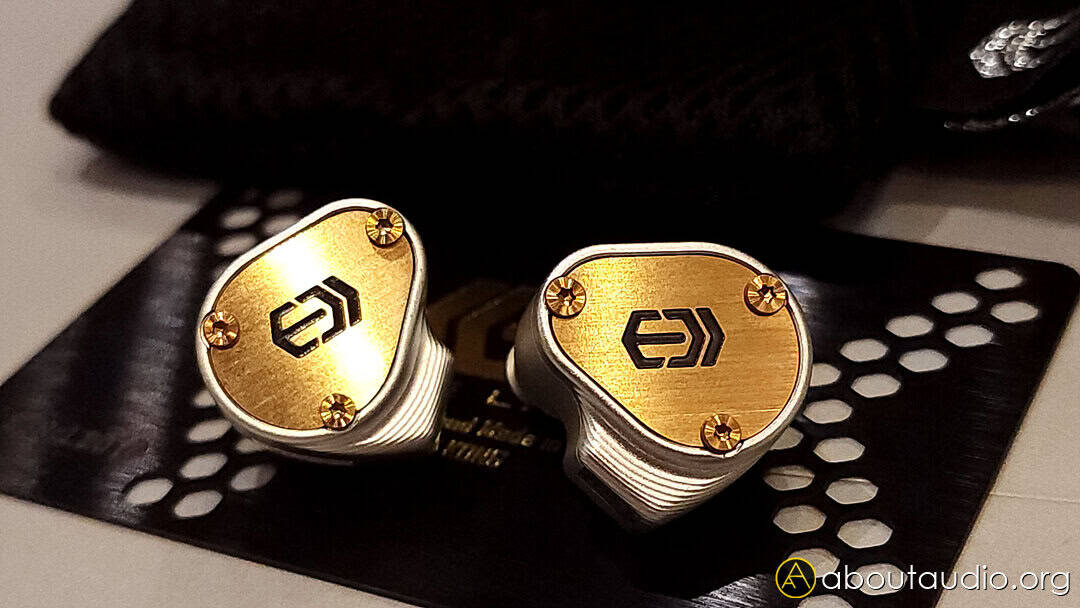

A Flagship Mindset at a Friendlier Price.
I’ve appreciated Ice Lab’s careful approach to developing IEMs, and Lumira gives me another reason to keep doing so. What impresses me the most isn’t necessarily the complicated acoustic structures or the unusual combination of drivers. It’s how well Ice Lab has managed to tune the fundamental sound before adding anything else.
Lumira already has much of what I’d seek from a well-made single dynamic-driver IEM: natural phasing, a coherent sound flow, rich low-end texture, and full-bodied vocals. The two micro planar tweeters then bring the additional upper-frequency resolution and separation that can be difficult to achieve from a single DD alone. Yet the final presentation still sounds remarkably natural and consistent, which is where I think Ice Lab deserves a lot of credit.
For those who prefer the grand, rich presentation of a well-tuned large dynamic driver but don’t want to give up the treble clarity and technicality of a hybrid IEM, Lumira is certainly worth trying. I find it impressive how much sound quality Ice Lab has managed to deliver at this price, and I’d consider Lumira one of the more competitive IEMs in its class. A very pleasing addition to the Ice Lab family, and one that I’d highly recommend auditioning!