



Sound Impressions: Lows / Bass Control
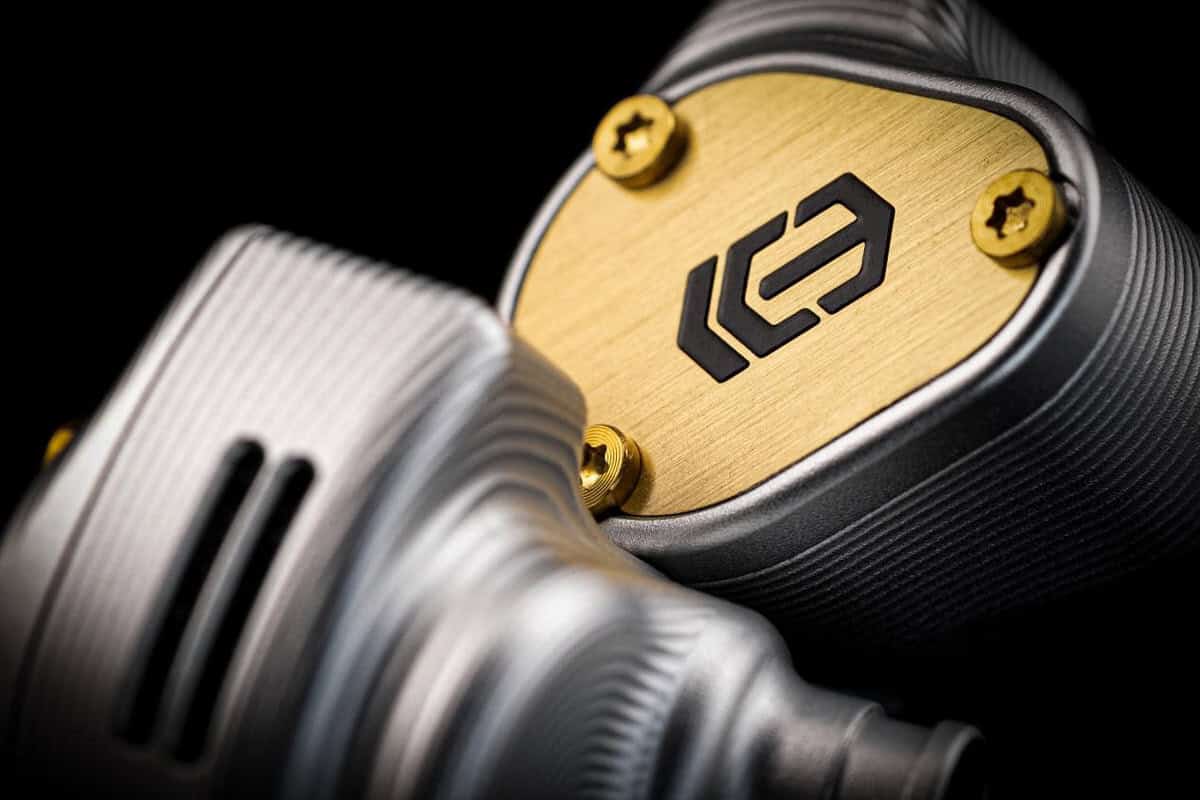
Lumira produces a large, bold, and room-filling bass presentation. However, this isn’t the type of bass that simply gets its thickness boosted to sound powerful. The lows dive deep into the ultra-low frequencies with impressive clarity and definition, bringing out the kind of genuine dynamic-driver bass that I thoroughly appreciate.
Bass has a rich, dense, and full-bodied tone, with plenty of strength behind each strike. Yet the presentation never gets excessively boomy or muddy. Lumira brings out a strong bass presence while maintaining excellent control over the reverbs and decay. The low end remains clean and well separated from the mids, which is especially impressive considering how much bass body these IEMs produce.
What’s particularly addictive to listen to is the synergy of bass density and spaciousness. The low-end atmosphere is wide and deeply extended, allowing plenty of room for the bass to spread. At the same time, the strikes remain solid and tightly controlled. There’s no sense of the bass getting loose or losing definition as it dives deeper.
Lumira has that powerful, large-diaphragm DD character, though the actual bass quality is much more refined than simply sounding big and punchy. The ability to keep such rich bass clear and controlled is one of Lumira’s strongest qualities.
Sound Impressions: Mids / Timbre
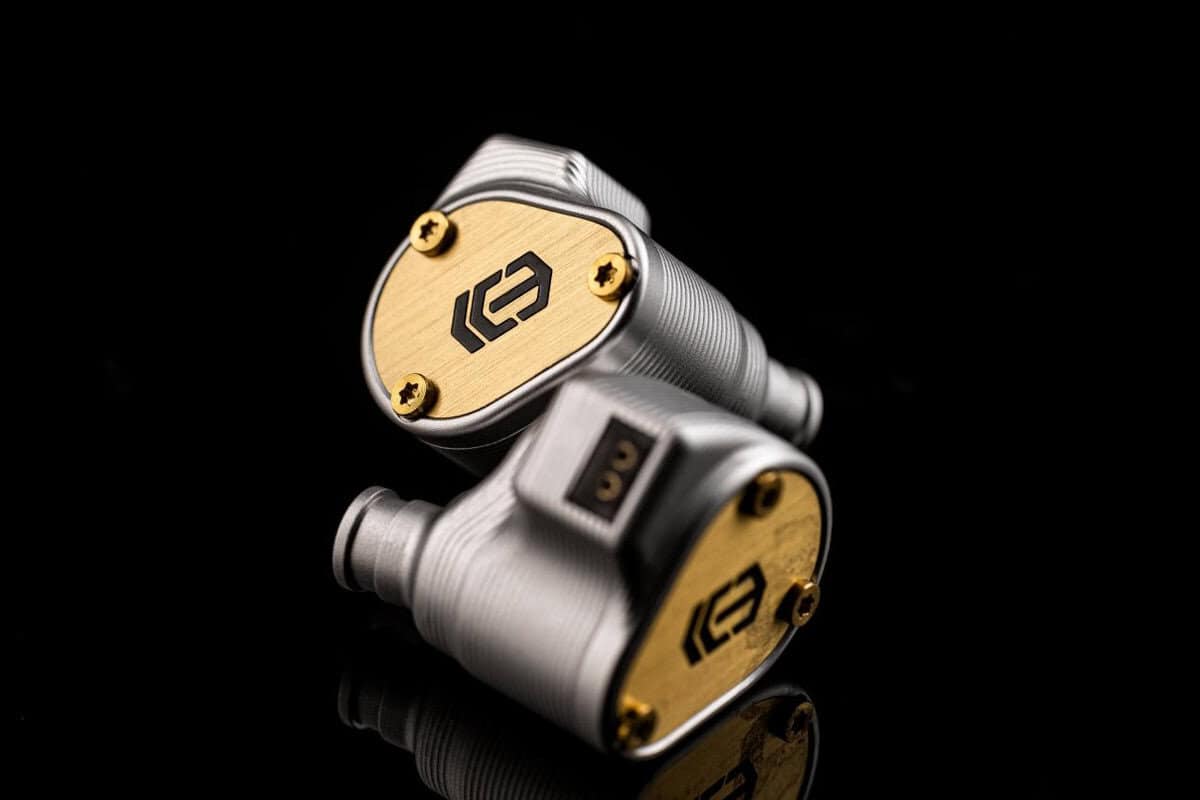
One of the qualities I’ve consistently appreciated from Ice Lab is how naturally the different frequency ranges come together. Even with complicated driver configurations, Ice Lab has been very good at maintaining consistent timbre and phasing throughout the sound. Lumira continues that characteristic quite nicely. Vocals are full-bodied, clear, and highly resolving, showing the kind of quality I’d usually expect from much more expensive IEMs. There’s plenty of body and weight to the mids, yet the texture remains transparent and airy.
Interestingly, when I first listened to Lumira, I had no idea about the actual driver configuration. Judging purely by the sound, I expected it to be at least a tribrid IEM with several dedicated drivers handling the mid-range. It was only later that I found out Lumira uses a full-range dynamic driver with two micro planar tweeters; that’s how impressive the vocal resolution is. Mids have that crisp, clearly articulated texture commonly associated with well-tuned BA drivers, yet the sound is thoroughly smooth and silky. There’s plenty of transparency and upper-mid clarity without getting rough or unnecessarily aggressive.
Vocals are also beautifully tuned in terms of timbre. They carry a rich, mature tone while retaining a refreshing sense of clarity. The body is adequately thick and full, yet the finer textures remain clean and naturally separated. Another major joy you’d get out of the sound is how Lumira manages to combine this level of mid-range definition with the natural sound flow of a dynamic driver. It’s a very pleasant mixture of dense, full-bodied vocals and fine, silky texture, accompanied by plenty of airiness.
Sound Impressions: Highs / Treble Timbre
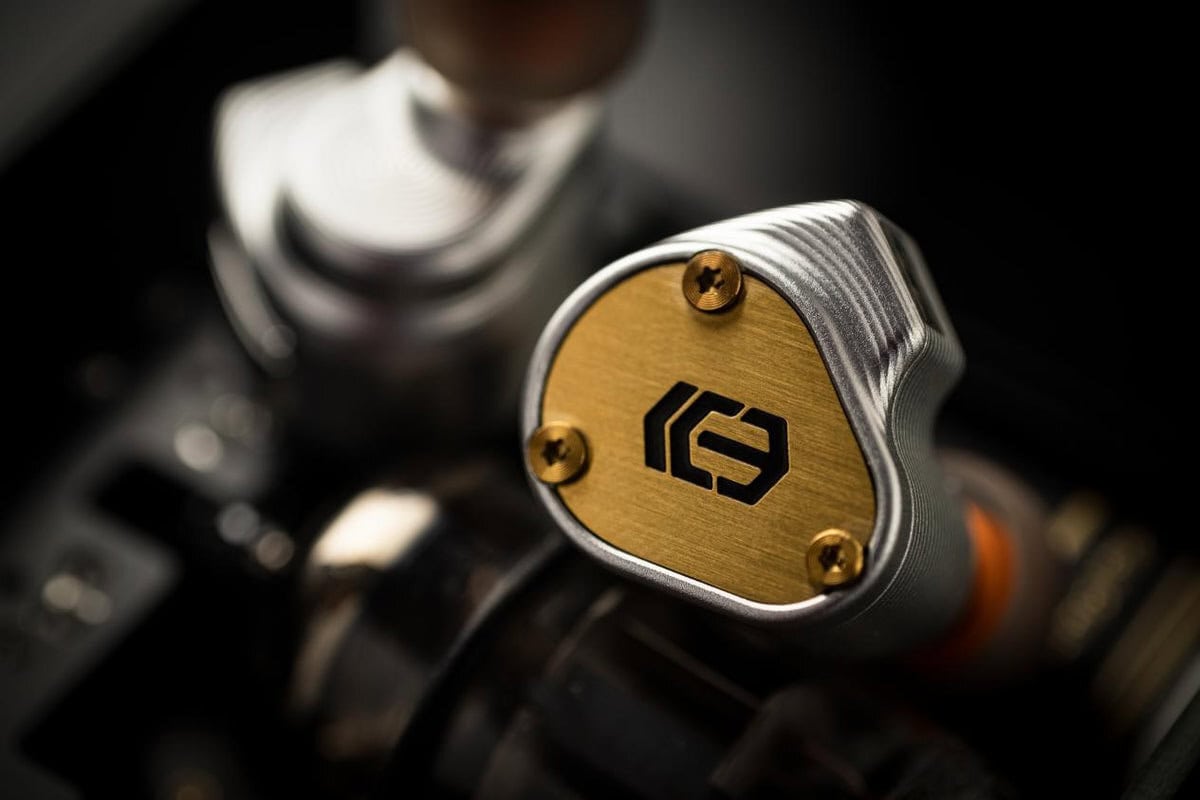
Single dynamic-driver IEMs are often associated with natural phasing and rich low-mid presentation, though achieving equally impressive treble resolution and separation can be a challenge. Lumira already has a very nicely tuned full-range dynamic driver, and the two micro planar tweeters are there to supplement the upper frequencies.
Planar drivers are capable of excellent ultra-high extension, though they can also sound rough, stiff, or metallic when the tuning isn’t handled properly. I’ve heard plenty of planar-based IEMs that struggled with such characteristics. Fortunately, Lumira has done an impressive job keeping these unwanted traits under control.
Highs are finely detailed and articulate, with plenty of clarity and extension. The texture remains smooth and refined without turning brittle or metallic. Despite the amount of treble information being brought out, the upper frequencies blend naturally with the dynamic driver’s tone and quantity. The consistency is especially pleasing, as the trebles don’t feel like they’re playing separately from the rest of the sound.
There’s also plenty of finesse to the smaller treble details. Lumira brings out a crisp, refreshing upper-end presentation, yet the notes remain smooth and naturally flowing. The highs are delicate and resolving without becoming excessively sharp or tiring.

Sound Impressions: Soundstage
Soundstage is another part that Ice Lab has been particularly good at, and Lumira is no exception. The large air vents and semi-open acoustic structure are interesting features here, though what matters is the actual sense of space that Lumira creates.
Bass spreads wide and deep with plenty of body, while the mids and highs open up with impressive airiness and transparency. The soundstage feels spacious and immersive, yet doesn’t lose its consistency or natural phasing. With the reduced sense of air pressure during use, Lumira is also comfortable to listen to over longer sessions.
It’s a very pleasing combination of full, powerful bass and a refreshing, open-ended upper-frequency presentation. There’s plenty of space for the instruments to breathe, and Lumira achieves this without making the overall sound feel thin or overly analytical.
Next Page: IEM Comparisons (QOA Misty Blue / QOA Martini / Letshuoer Ember) & Verdicts