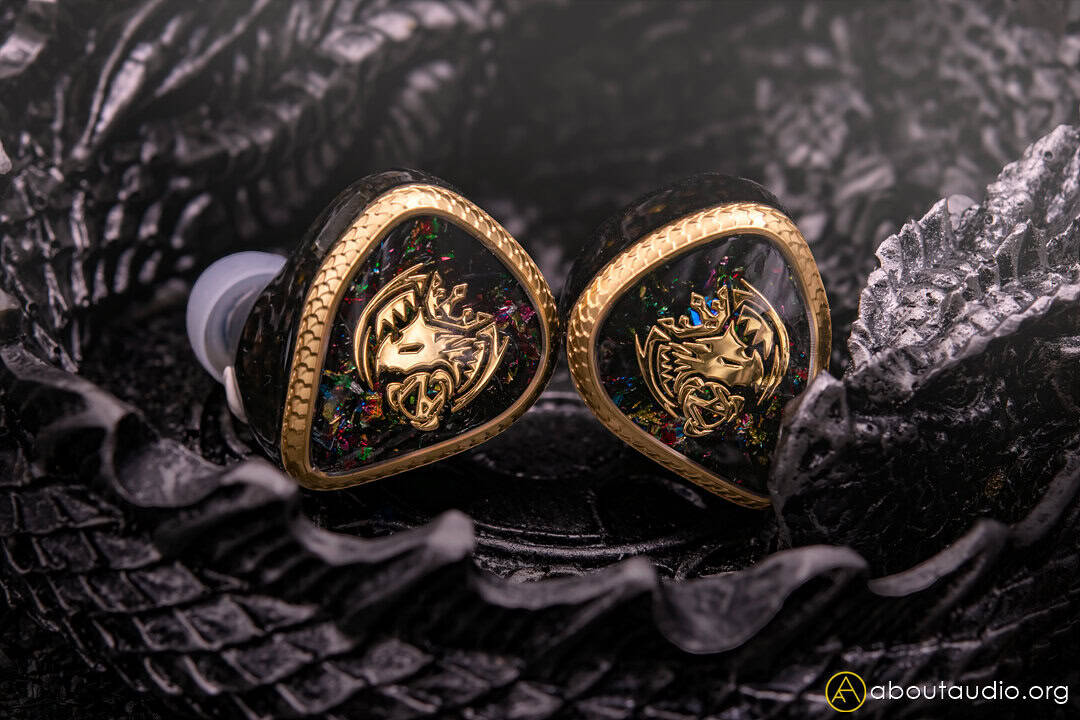


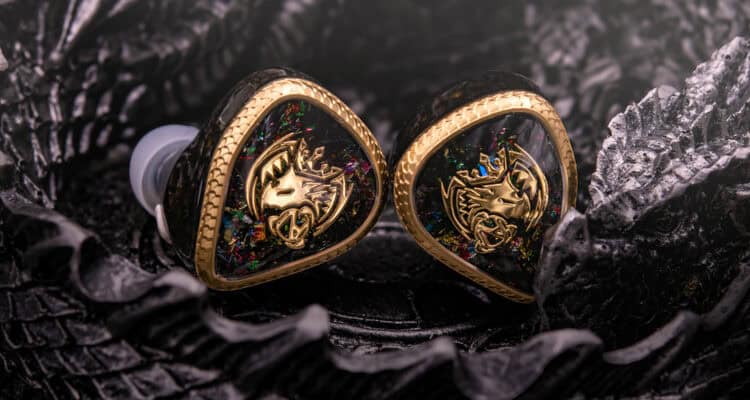
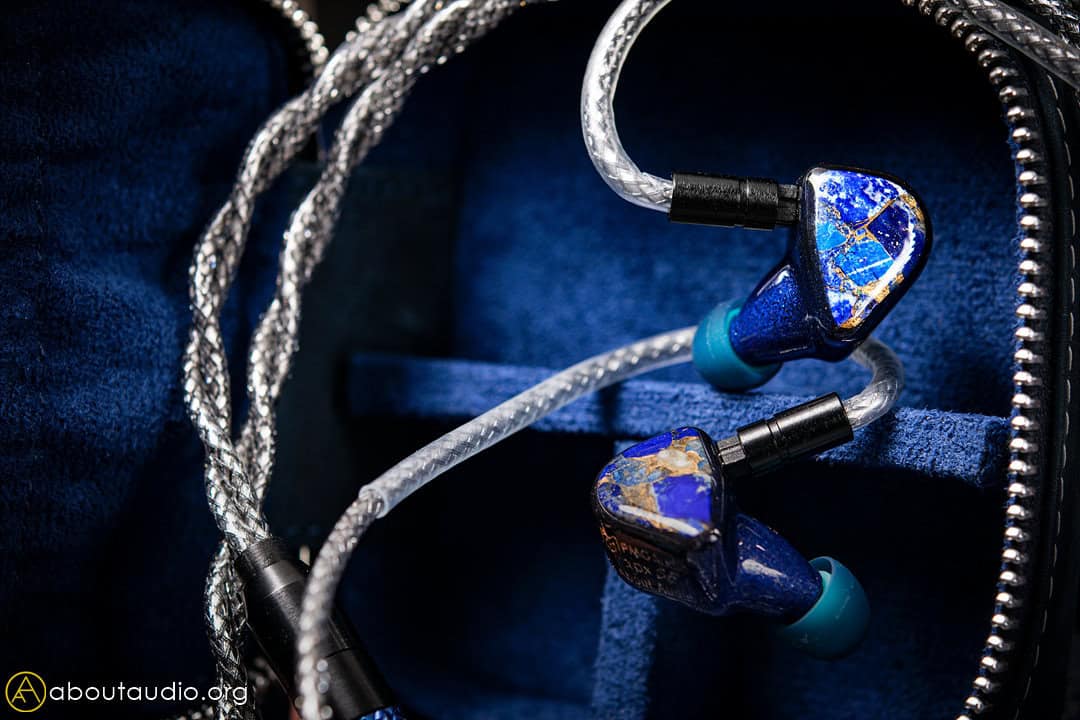
Compared to PMG Audio Apx SE (Review link)
PMG Audio Apx SE is a flagship IEM that burst into the summit-fi industry for its in-depth and extremely high-resolution sound. Compared to Nostalgia Pendragon, Apx SE shows a very different sound signature. First, the thickness of the overall sound. Pendragon has a warm, thick, and masculine sound signature that swirls the headroom with fullness. The Apx SE, on the other hand, desires cleanliness, clarity, and texture exposure. The Apx SE is also known for its extremely refined texture, though, since the nature of its sound is passionate towards revealing textural details, the Apx SE is leaner in body and grainier in texture. The Apx SE’s vocals and trebles provide much better pleasures of clarity, and the fully unveiled and open-ended headroom. Treble layerings are noticeably more exposed and clearer on Apx SE. In defense of Pendragon, listening to Apx SE after Pendragon makes Apx SE sound suddenly so thin in body.
The both-end extensions are outstanding for both Pendragon and Apx SE, though the Apx SE brings lesser sub-bass, leading the bass to be tighter, agile, and faster in decay. Alongside, Pendragon goes full-blown on creating a holographic headroom. The Apx SE remains more neutral, having the headroom to be less three-dimensional and flatter in staging. Instead, Apx SE is closer to sounding more reference-like or ‘accurate’. The sideways headroom expansion is superior on Pendragon, while Apx SE’s staging achieves better up-down perception, or the contrast of height and depth. Pendragon mostly keeps a warm and dark tone, and Apx SE sounds neutral to neural-bright.
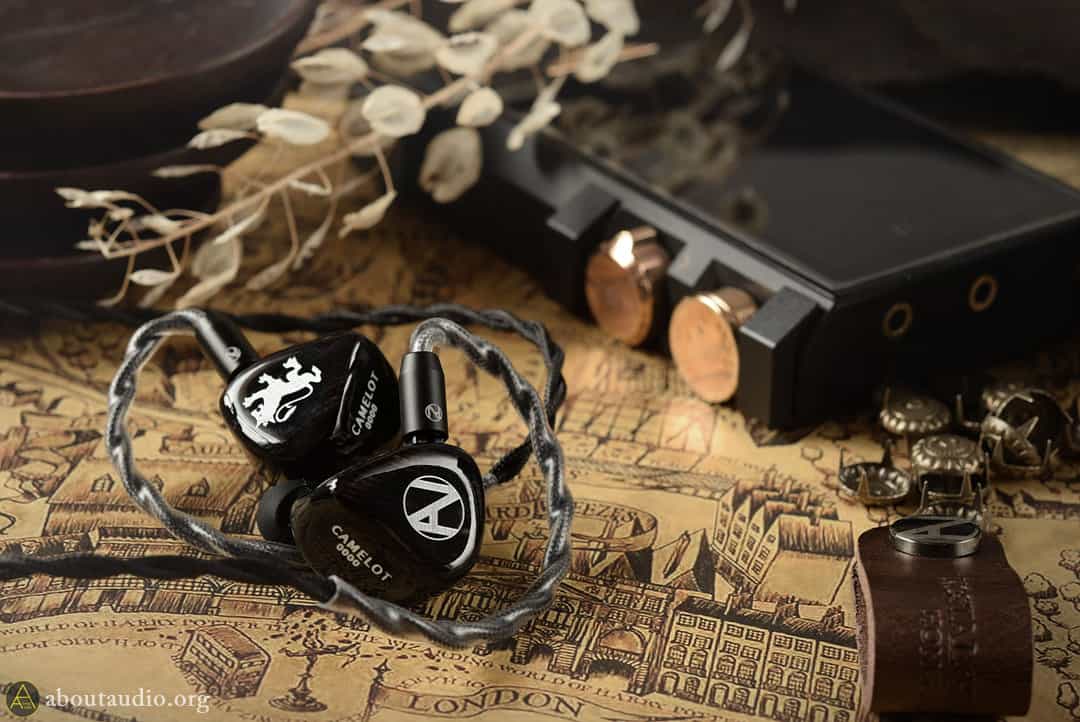
Compared to Nostalgia Audio Camelot (Review link)
Incomparably better timbre consistency across the spectrum – while Camelot was tuned very nicely, there were still minor ‘chippings’ of texture and tonal shifts, and the timbre consistency could’ve been better for the three frequency bands. Pendragon not only perfected these weak spots but also maximized what Camelot was portraying – absolutely flawless timbre consistency, neutral and realistic tone, and incomparably larger and fuller sound. Similar to the comparison done with the PMG Apx SE, Camelot sounds thin in body and hollow once you pull out the Pendragon. The bass size, vibration, and airflows are just drastically superior on Pendragon.
The full bodiedness, as well as the front-back layering and imaging, are night and day differences between Camelot and Pendragon. Sound signature-wise, Camelot would sit between Apx SE and Pendragon, as Camelot desires a musical, thick, and warm sound that also highlights the micro details. Camelot is more analytical and transparency-focused than Pendragon, though, nonetheless, Pendragon objectively has better performance overall. Of course, since Pendragon has such a strong character and in a rather different way from Camelot, those who prefer a mixture of reference and musical, there’s no doubt that Camelot still holds an incredible value among the TOTL IEMs. Though if you enjoyed Camelot, you’d want to try Pendragon, as there’s a fine chance you’ll find your new endgame.
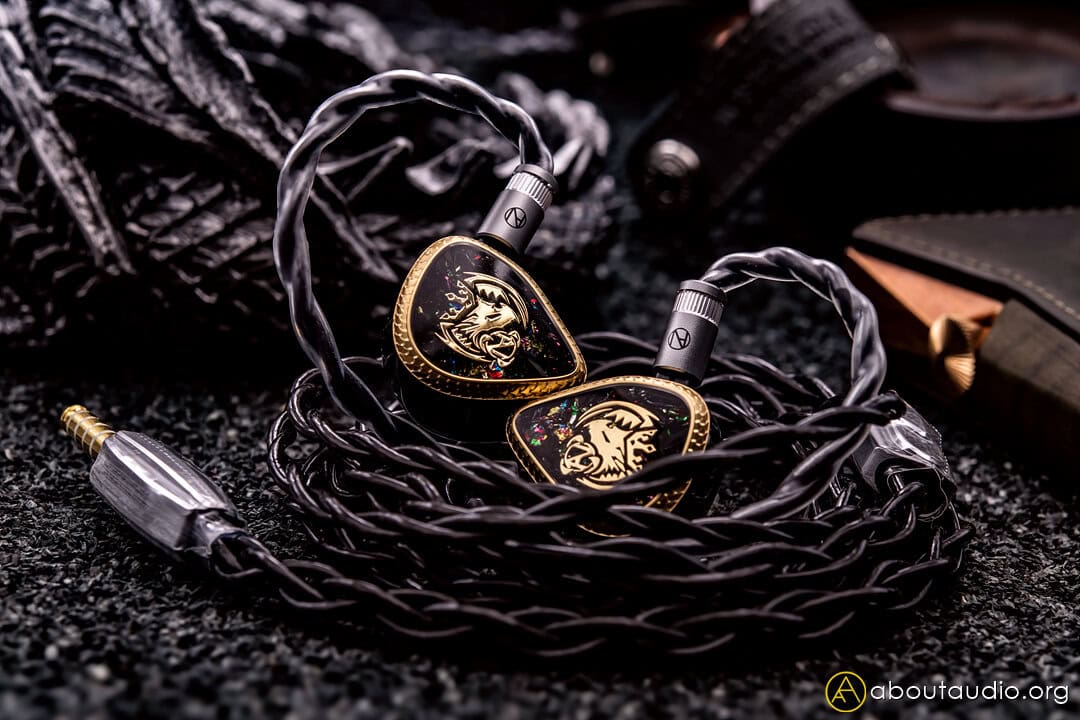
It’s an Absolute Unit of Musicality
I can see why Nostalgia Audio mentioned Pendragon as the pinnacle of what they’ve wanted to make since the brand was born, and why they’re confident in Pendragon. Rather irreplaceable, in fact. Pendragon is not an IEM that tries to please everyone with a safe or familiar tuning. Instead, it pursues its own path, prioritizing scale, weight, and musical force over sheer transparency. If you’re used to the common tuning styles, or what I also like to call the “vocal-whispering type” that simply goes full force on closeness and transparency, Pendragon’s sound may come off as unusual at first. Though by the time your ears and brain understand just what Pendragon is doing and let the adjustments be made, the payoff is immense – a sound that feels larger than life, yet still refined enough to keep the timbre natural and convincing. It’s a flagship that doesn’t imitate trends but rather defines its own, and that makes it stand out all the more.
Ultimately, Pendragon embodies Nostalgia Audio’s vision of musicality at its finest. The lows and mids carry authority and depth, the treble flows smoothly without harshness, and the overall timbre feels deliberate and complete. Pendragon is a statement piece, and for those who resonate with its character and want to find their endgame among the numerous look-alike flagships that pursue a similar path, Pendragon’s immersive and musical sound is definitely one you should check out when considering your next, and perhaps last, summit-fi flagship IEM.

As always, thanks for reading, and happy listening!