

Compared to Campfire Audio Andromeda 10 Launch Edition (Review link)
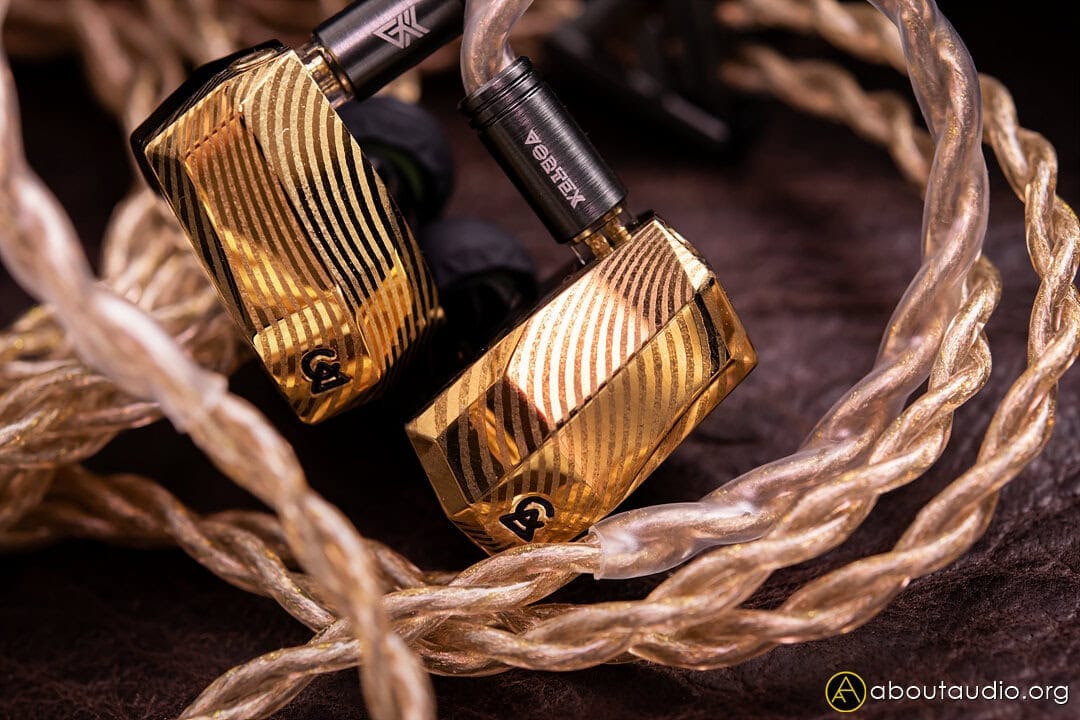
The Andromeda 10 and Allegro II are both strong examples of multi-driver flagships done cohesively, though their personalities are quite different. Andromeda 10 stays closer to neutral-warm, carrying that classic Andromeda fullness with creamy, majestic vocals and a silvery upper-mid shine. Allegro II sounds more active and technical in presentation. The vocals sit closer, separation is more deliberate, and the sound emphasizes the individual layers and micro details more strongly. Bass is another clear difference; Andro 10 keeps the characteristic tight, agile BA strikes, while Allegro II brings stronger low-end physicality and elasticity from its dynamic drivers.
Andromeda 10 feels more natural and relaxed in how everything blends together. Its trebles are denser, smoother, and slightly toned down, with a roomy stage that reminds me more of a well-sized monitoring booth. Allegro II brings more contrast and excitement to the upper frequencies, with stronger separation and a more direct sense of resolution. If you’re after that creamy, mature Andromeda timbre and long-term comfort, Andro 10 still has a charm of its own. Allegro II would suit better if you want the sound to be more energetic, layered, and upfront with its technical abilities.
Compared to Nostalgia Audio Pendragon (Review link)
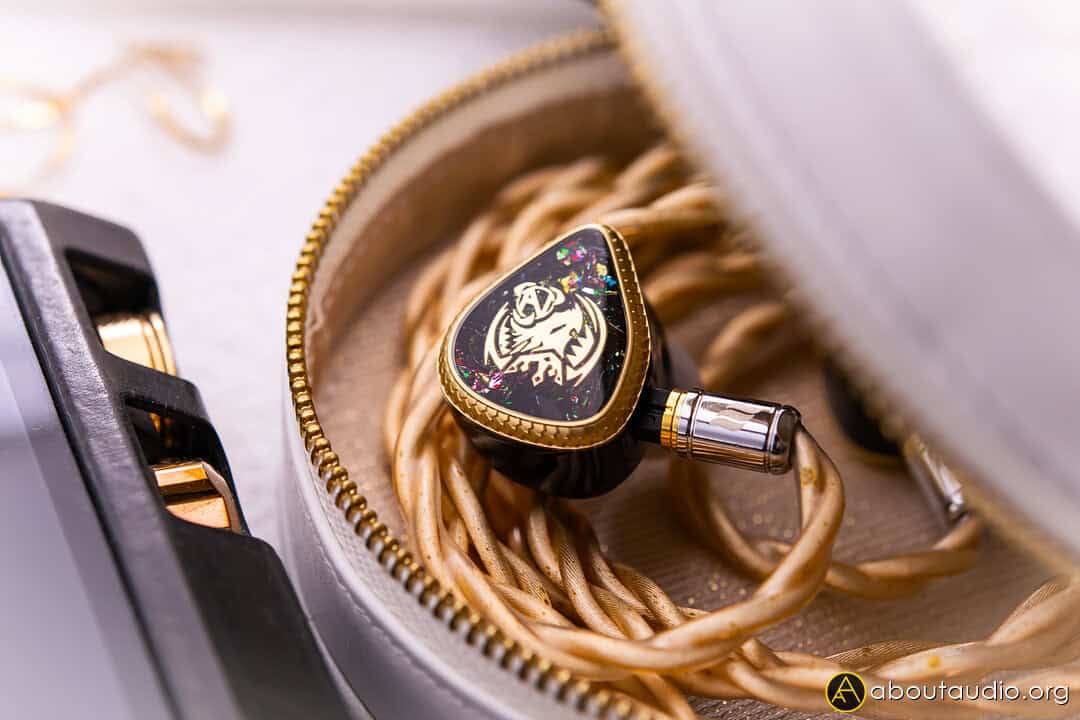
Nostalgia Audio’s Pendragon almost sits on the opposite end of Allegro II when it comes to how a summit-fi should present music. Pendragon goes large, thick, and atmospheric. Bass spreads with huge volume and slower, speaker-like decay, while the vocals continue that fullness with a warm, smooth, and deeply immersive timbre. Allegro II is tighter and more controlled throughout. The bass strikes and decays are cleaner, vocals are pulled closer, and the upper frequencies put a lot more focus on separation and immediate clarity.
Pendragon wants you to look at the music as one enormous picture. Allegro II makes it easier to look into the individual pieces inside that picture. Pendragon has the larger and more holographic stage, especially for low-mid depth and sheer fullness, while Allegro II sounds more precise and organized in layering. Trebles are also more relaxed and auxiliary on Pendragon, whereas Allegro II actively uses the upper frequencies to expose micro details and give the sound more contrast. If Pendragon is about being engulfed by musical scale and atmosphere, Allegro II is the more analytical and energetic choice without going all the way into a dry reference tuning.
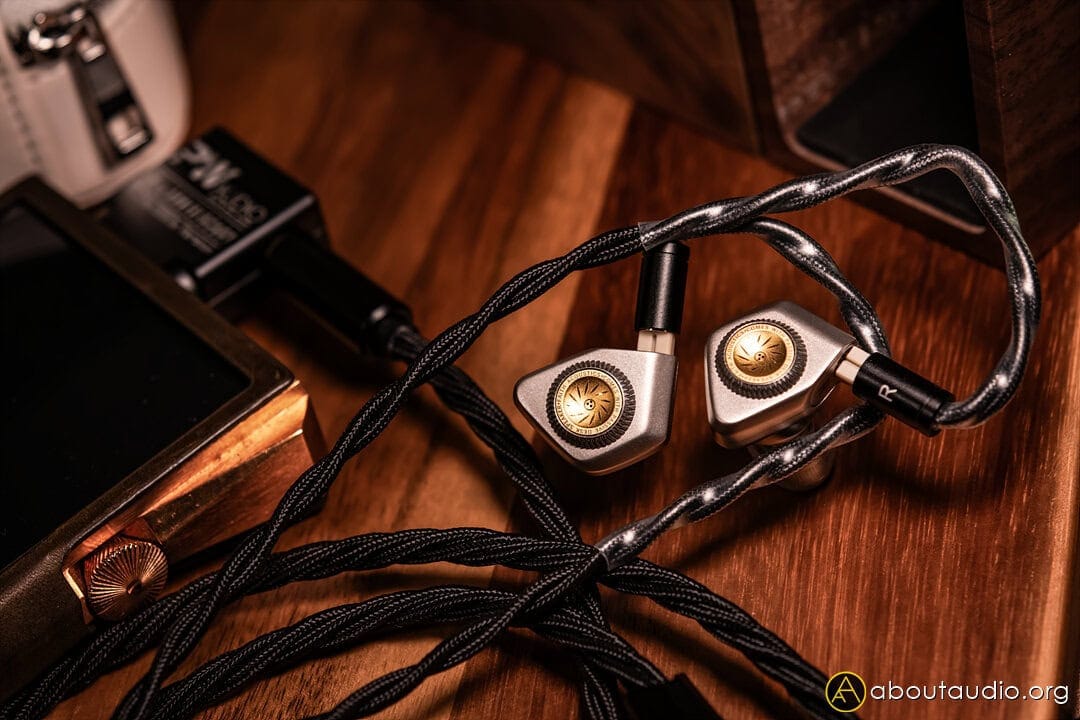
Compared to Faith Audio Labs E1000 (Review link)
E1000 makes this comparison especially interesting because the two take drastically different routes to achieve flagship-level resolution. E1000 uses one dynamic driver and prioritizes seamless phasing, airiness, and a reference-like presentation. Allegro II deliberately takes advantage of having multiple drivers, bringing stronger layering and a more sensational separation between the vocals and instruments. The bass is also more elevated and physical on Allegro II, whereas E1000 keeps the lows closer to a slightly V-shaped or reference quantity with tighter emphasis on vibrations and control.
Their upper frequencies are both highly technical, though E1000 sounds more open-ended and organically continuous from bottom to top. Vocals are leaner and more transparency-driven, and the large amount of air gives E1000 that breathing, almost effortless character. Allegro II feels more packed and intimate, putting the resolution and layers closer to the listener. If you want the purity and coherent flow that make a top-tier single DD special, E1000 would be the better example. Allegro II gives you the other pleasure of flagship IEMs – richer layering, stronger bass presence, and the excitement of hearing multiple textures and details working at once.
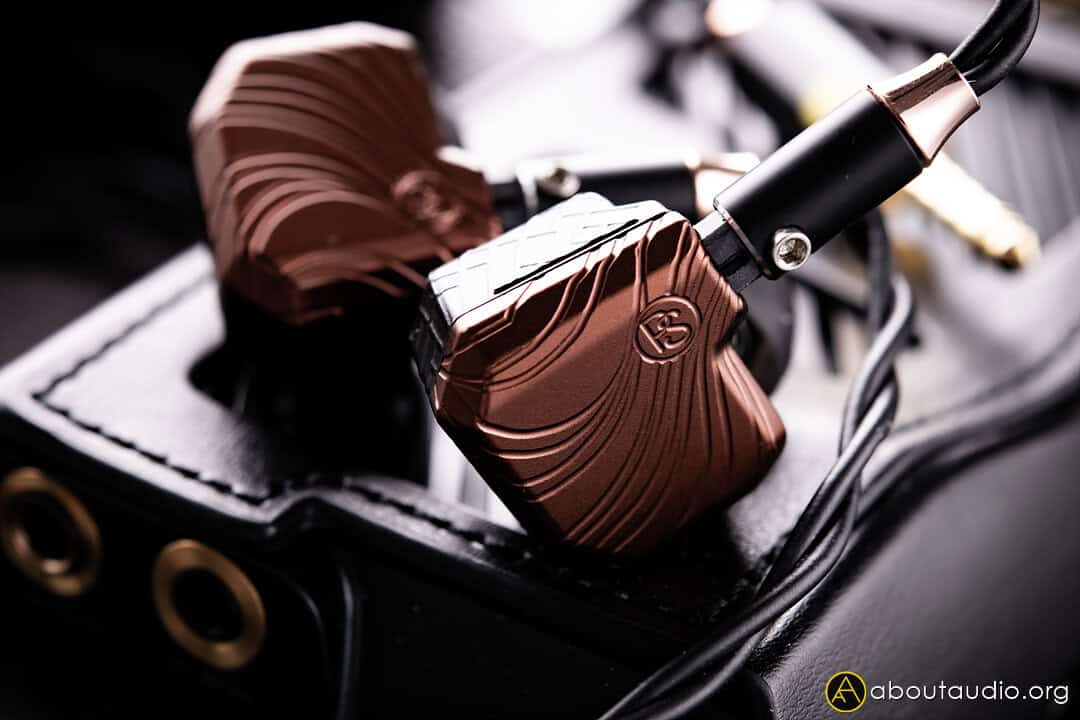
One of the Finest Technical Brilliance. All done in Harmony…
Allegro II is an IEM that captures both reference and musical pleasure. It has the control, resolution, and separation needed for critical listening, yet PlusSound didn’t tune it into something flat or emotionless just to prove its technicality. What’s great of Allegro II is that it doesn’t try to hide the multi-driver character, but double downs in a highly natural, consistent manner.
PlusSound started as a cable specialist and only entered the IEM scene a few years ago, though Allegro II feels much more mature than what you’d normally expect from a relatively young earphone lineup. The original Allegro was already an ambitious start, and this second generation feels like PlusSound better understood where that concept needed to go – stronger control, more natural cohesion, and a clearer reason for having all those drivers inside.
At $3,999, Allegro II is stepping directly into one of the toughest summit-fi price brackets, but the performance certainly belongs in that conversation. If you want a flagship that feels technical and exciting without losing the musical flow, Allegro II has a good chance of luring you in.