




Compared to Palavox Dark Knight (Review link)
Dark Knight is Palavox’s second flagship IEM, priced at $2,499. Both IEMs have very similar sonic characteristics that make Palavox’s tuning recognizable, especially the holographic soundstage, well-controlled bass, and the seamless phasing between different frequency ranges. Dark Knight is a little more mid-centric, with a lively W-shaped sound signature that focuses on bringing out transparent, creamy vocals.
Akasha takes a more spacious and atmospheric approach, with a larger, more evenly expanded headroom. Dark Knight’s bass is tight and pinpoint-focused, with neatly controlled BCD vibrations. Akasha also keeps the lows well-controlled, though it brings out more of the subtle bass reverbs and the natural dispersion of low-frequency ambiance, making the bass sound fuller in spatial depth.

The most noticeable difference comes from the mids and soundstage. Dark Knight already has excellent front-back layering and holographic imaging, though Akasha takes these qualities noticeably further. The vocals sound larger, more breathable, and elevated from the ground, while maintaining firm density and natural phasing. Dark Knight brings the vocals slightly closer with a more energetic upper-mid presentation, whereas Akasha creates a roomier distance between the vocals and instruments.
Trebles are beautifully refined on both, though Akasha has a denser, more weighted texture and mature tonal brightness. Dark Knight is already an excellent all-rounder with impressive technicality, and I’d still recommend it for those who want a more lively, vocal-focused presentation. Akasha is for those who appreciate Dark Knight’s holographic nature but want to experience an even greater level of spatial expansion and atmospheric refinement.

Compared to PlusSound Allegro II (Review link)
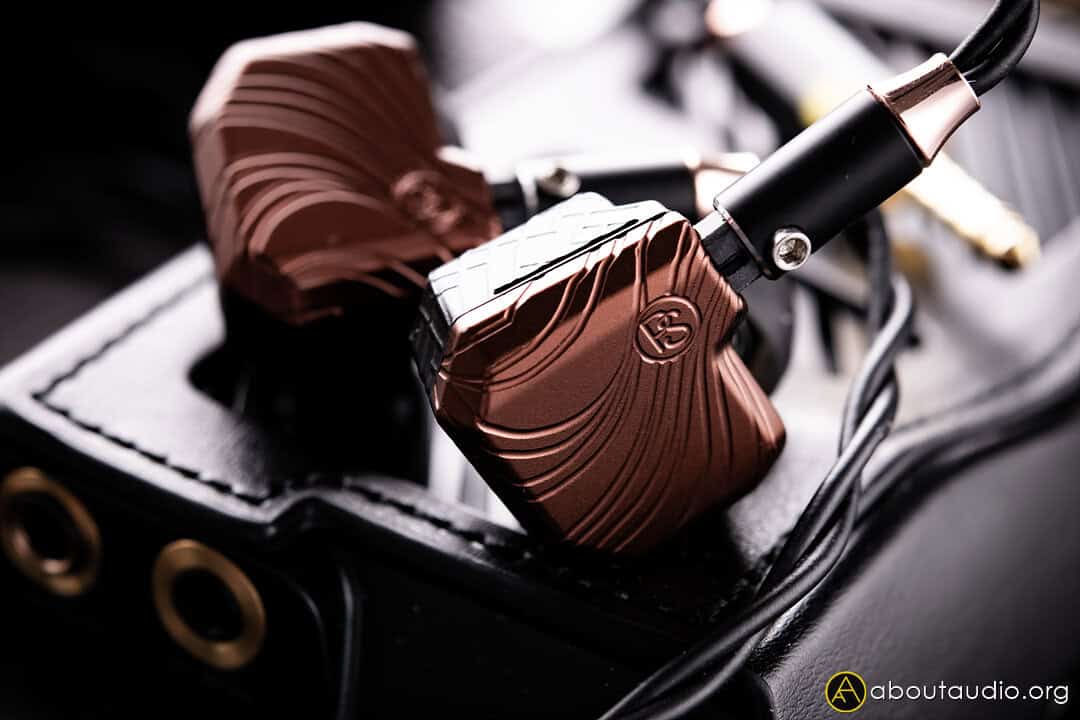
Allegro II is PlusSound’s 13-driver quadbrid flagship, and it makes an interesting comparison with Akasha since both have outstanding technical performance without sounding dry or excessively analytical. Allegro II takes a more deliberate approach to showcasing the strengths of a multi-driver configuration. The bass has a highly controlled, reference-like response with strong physical impact and evenly distributed low-end energy.
Akasha also provides deep, sturdy bass, though it gives more attention to the delicate bass reverbs and spatial resonance rather than keeping every strike and decay as tightly organized. Allegro II has the more assertive and disciplined low-end presentation, while Akasha brings a more atmospheric, naturally lingering quality.
The difference becomes more apparent in the mids and highs. Allegro II brings vocals closer and exposes the individual layers with strong separation and micro-detail clarity. Akasha is also incredibly resolving, yet the vocals have a more fluid and spacious presentation, with greater emphasis on tonal continuity and the ambiance surrounding each note. Trebles on Allegro II have a firmer attack and stronger crispness, whereas Akasha keeps the texture silkier, denser, and more relaxed in brightness.
Both create large and three-dimensional soundstages, though Allegro II particularly excels in vertical extension and accurately distinguishing the positions of instruments. Akasha creates a more spherical headroom with greater attention to the front-back spacing and the gradual dissipation of sound. Allegro II is a fascinating choice for those who enjoy hearing the individual components of music with precision, while Akasha focuses more on creating one naturally expansive, immersive presentation without sacrificing the finer details.

Compared to Starry Audio Bolide (Review link)
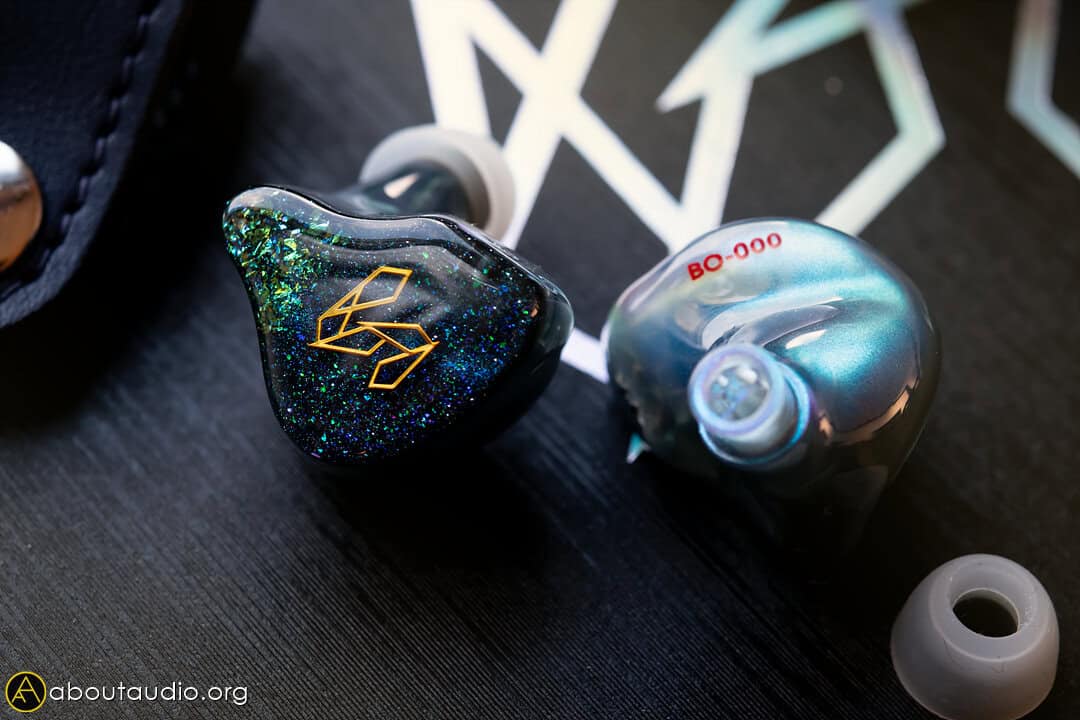
Bolide is Starry Audio’s $2,950 limited-edition flagship featuring a 2DD+4BA+4EST tribrid setup. Both IEMs are exceptionally good at creating spacious, immersive sound, though they have rather different approaches to achieving it. Bolide is considerably warmer and darker, with stronger bass quantity and a much thicker low-end body. Its bass is extremely lush and creamy, spreading widely across the stage with a slower, more relaxed decay.
Akasha keeps its bass closer to a slightly V-shaped quantity, with tighter control over the bass vibrations and more attention to subtle spatial details. Bolide brings greater low-end mass and tonal warmth, while Akasha is more evenly balanced across the frequencies with a cleaner, more transparent presentation. The vocals are where these two IEMs differ even further. Bolide keeps the mids at a natural distance, with a dark, warm timbre that prioritizes smoothness and accurate phasing. Akasha brings vocals slightly forward, opening them up with more airiness and transparency while maintaining a full, velvety texture.
Bolide’s trebles are incredibly smooth and gently positioned, which makes it one of the most comfortable TOTL IEMs I’ve heard. Akasha brings out more upper-frequency clarity and finer textural nuances, though it remains equally careful about avoiding harshness or excessive brightness. Both have impressively large soundstages, but Bolide creates much of its spaciousness through the sheer depth and volume of its bass.
Akasha spreads the sound more evenly in all directions, with stronger emphasis on holographic layering and atmospheric detail. If you enjoy the warm, floor-speaker-like fullness and effortless listening of Bolide, it has a charm of its own. Akasha would suit those who want a more transparent and spacious all-rounder with a stronger focus on resolution and three-dimensional imaging.

Compared to Admire Acoustics Nova (Review link)
Nova is Admire Acoustics’ $1,930 flagship, featuring a 1DD+8BA+4MPD tribrid setup. These two IEMs share quite a lot in their overall sound philosophy, as both pursue a holographic W-shaped presentation while maintaining accurate phasing and natural timbre. Nova is more mid-centric, with a vibrant vocal presentation that brings the mids closer and makes them bloom with a radiant tone.
Akasha takes a more evenly distributed approach, creating a larger, roomier headroom while keeping the vocals full and slightly elevated. Bass on Nova is tight, elastic, and relatively reserved in quantity, with excellent control over the strikes and reverbs. Akasha carries more atmospheric depth and a richer dispersion of subtle low-end vibrations, while Nova keeps the bass more compact and reference-like in its phasing.

Both IEMs are very similar in a sense that they offer highly resolving mids, though their tonal characters quite differ. Nova has a little more upper-mid brilliance and crispness, bringing vocals forward with strong transparency and micro-detail clarity. Akasha keeps the mids more neutral in brightness, with a velvety, slightly warmer texture and a more breathable ambiance. Trebles on Nova are lively and elastic, showing a distinct planar-like crispness and natural decay. Akasha’s highs have a silkier and weightier texture, with a smoother tonal presentation while retaining excellent extension and resolution.
Nova and Akasha both create spherical soundstages, though Nova keeps its imaging more compact and precise, with exceptionally clear vertical and front-back layering. Akasha goes further in creating a vast, atmospheric headroom, where the individual notes carry more spacious reverbs without losing their definition. Nova remains an excellent choice for those who enjoy vibrant, mid-forward technicality and reference-like control. Akasha would be more appropriate for listeners wanting a larger, more atmospheric presentation with an equally refined and natural sound.

Akasha is The Highest Haven for Your Music.
When I first reviewed Palavox Dark Knight, I was already quite impressed with how a relatively new brand managed to pull off such a sophisticated flagship sound. However, going back to Akasha, the model that started it all, has given me an even stronger appreciation for Palavox’s tuning skills. There are plenty of TOTL IEMs that offer impressive technical performance, though creating a truly holographic and spacious sound without making it artificially stretched or disorganized is another matter. Akasha is one of the finest examples I’ve heard of how such a presentation should be done.
What makes Akasha special isn’t simply that it sounds large. It’s how the sound remains complete and accurate within that enormous headroom. Vocals don’t lose their density as they spread, instruments maintain their positions, and the smallest reverbs and decays are brought out without smearing the surrounding notes. This is where I find Akasha particularly captivating. The music feels remarkably open and breathable, yet there’s no shortage of weight, resolution, or musical energy. I also appreciate that Palavox didn’t make the tuning excessively bright or analytical just to highlight these technical abilities. Akasha is thoroughly resolving, but the sound is still rich, organic, and comfortable enough to enjoy for hours.

If You’re Yet to Try Palavox IEMs… Do It Soon.
At $4,200, Akasha is certainly stepping into serious summit-fi territory, where excellent resolution and technicality are already expected. However, I believe Akasha has something more distinctive to offer than simply competing over those conventional performance factors. Its ability to create such a vast, spherical, and lifelike soundstage while preserving the natural texture and coherence of the music is a rare achievement, even within the TOTL IEM industry. Having now reviewed both of Palavox’s flagships, I’m even more convinced that Palavox is a far underrated, hidden gem that you’ll be missing out a lot if you’re in this hobby and still haven’t tried them. If you’re someone who particularly enjoys spacious, holographic sound, Akasha should definitely be put on your audition list- the sooner, the better.