




Sound Impressions: Soundstage / Headroom
Instead of beginning the sound impressions with the bass like usual, this time we’ll begin with the soundstage and trebles – as it’s the most prominent characteristic of Akasha. Quite frankly, I wasn’t aware of the concept of the Akashic records, though once listening and now learning the terms, the naming just makes sense. Akasha’s product and naming concept suit well, as it creates a sound that is highly spatial, holographic, and spherical.
Multi-driver hybrid IEMs are prone to sounding over-technical, and while some enjoy them over the usual, the many others don’t. In fact, keeping that same high level of technicality and bringing them into one harmonic piece is a far more difficult tuning to achieve; it not only makes it easier for you to do critical listening but also provides a more immersive experience. Akasha does that perfectly – one of the best, actually. You can feel the vast, spherical headroom formation, evenly spreading in all directions: up-down, front-back, and sideways.
The front-back layering is something that is also very prominent in Palavox Dark Knight, though Akasha brings that experience to the next step, creating a much stronger, roomier spacing and ambiance between notes. Mind you, this doesn’t mean that the sounds are artificially spaced out or loosened. Notes are tight and agile, yet the subtle decays and ambiance are very well picked up which other IEMs would’ve easily missed out otherwise.
Highs / Extension
Highly refined micro textures and silky notes are clearly nuanced, yet they remain incredibly coherent and orderly. While pouring in an immense level of detail and resolution, trebles effortlessly dodge the risks of sounding messy. The tonal brightness and texture are smooth and adequately tuned, crystal clear yet very organic and comfortable to listen to. Treble temperature/brightness is just around being neutral or neutral-warm; you’ll have a distinct sense of clarity and transparency, yet something that I certainly won’t find hot or fatiguing. Unless you’re particularly treble sensitive or not used to BA or EST technicality at all, Akasha would only pleasantly surprise you with how comfortable it sounds while packing such a resolution.
The treble tone itself is extremely lush, carrying out that specific weightiness that you feel from titanium shells – and without treble spikes and hisses. Instrumental notes carry weight and density – that musical impact and push – in a natural, realistic timbre. Ambiance and roll-offs are a big part of Akasha’s sound, as you can hear the gradual dissipation to the quietest phase, which then dissipates completely. Akasha’s highs handle both slow- and fast-tempoed genres well, though I’d recommend genres that are neutral or slow-paced in tempo to fully appreciate the atmospheric experience these IEMs could offer.
Sound Impressions: Mids
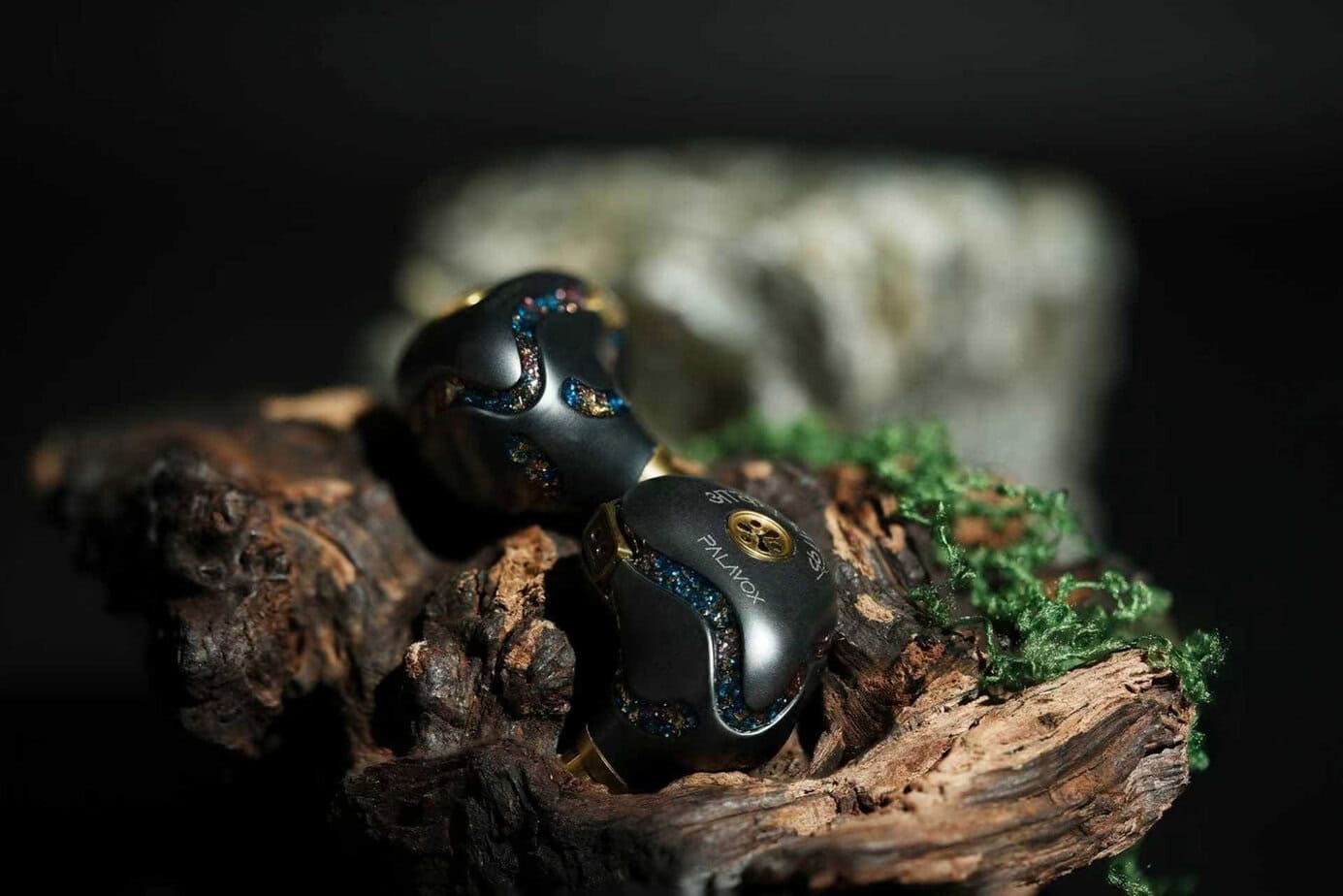
Overall, the main difference between $1-2k premium and summit-fi ($3k+) IEMs comes down to how immersive and large the vocals sound. Larger scale is different from simply sounding thicker or boosting the reverbs to thicken the mids; it’s more like being in a different weight class. Large-scaling vocals create a naturally vast, dominant, holographic headroom that doesn’t overflow the stage or the overall balance. Akasha is one of the best TOTL IEMs that does this exceptionally well. Mids are exceptionally well-balanced while sounding full, roomy, and expansive. Slightly pulled forward, vocals keep a natural phasing with lows/highs.
What’s iconic about Akasha is how mids have this particular presentation where vocals sound elevated from the ground, making them extra fluid and breathable. There are other IEMs that also do something similar, though the twist with Akasha is that it somehow still sounds very well-grounded. These “elevated vocals” don’t necessarily sound distant, and it certainly doesn’t get hollow either. Mids are packed tight and full of density, which gives the vocals musical energy and a velvety, refined texture.
You can tell how good Palavox’s tuning skills are (and how closely the crossovers were designed) as you listen to the consistency in timbre. There’s an ample amount of airiness and transparency throughout the mids, and they never come across as excessive or shouty. From the subtle lower mids to the upper mids around the sibilance zone, Akasha maintains a neutral and transparent timbre – thorough and steady. Mids are neutral-thick, which is fuller and meatier than absolute neutral but a little shy of being the typical thick and full-bodied sounding ones. Akasha pairs nicely with both male and female vocals without noticeably favoring either one.
Sound Impressions: Bass
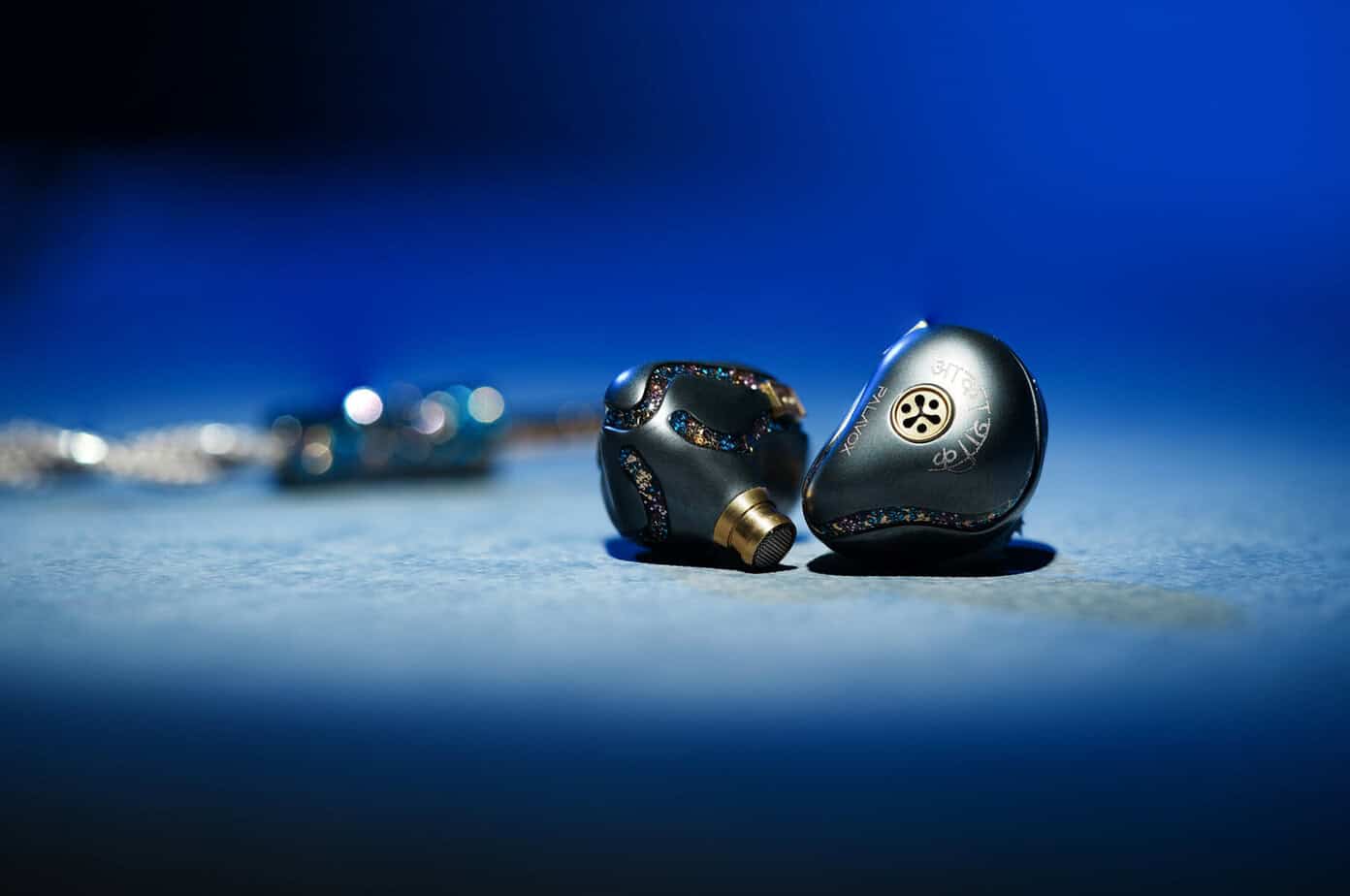
If my earlier statement of suggesting neutral to slow-paced genres made you think Akasha won’t suit well with faster tracks like pop or hip-hop, think again. I’m only suggesting to make sure to experience the beauty of Akasha when it comes to pairing with slower tracks; once you’ve done, then it’s time to go for faster, more aggressive tracks. Akasha is a true all-rounder as it’ll show a completely new side of its charms. Akasha delivers sturdy and deep-diving bass. As mentioned many times, the perfect dynamic driver knows how to deliver those realistic dynamics. If you also enjoy TOTL 1DD IEMs, perhaps you’ll be able to settle with one single IEM after all, that being Akasha; you can hear and feel the lush diaphragm texture, tactility, and richness of a flagship dynamic driver.
Sounding spacious and holographic is a vivid trait present through the mids and highs. In contrast, using a single dynamic driver may seem a bit lacking or even bland/flat in spatialness. Yet again, Akasha did a clever job fusing the sounds of DD and BCD. The bone conductors nicely complement the sub-bass and lower mids, balancing out the surround feel throughout. The bass quantity hits just around being slightly v-shaped – heading up north from neutral but not as strong as basshead level or strong V-shaped.
Besides, what’s impressive with Akasha’s bass isn’t just about the tone and extension, but also about the small details that come together to create a high-resolution, lifelike sound. On a hybrid, multi-driver setting, subtle bass resonance and reverbs are often buried/skimmed out by the strong sound pressures. Unlike those cases, Palavox did a beautiful job with Akasha, highlighting the delicate dispersion and decay of sub-bass and lower mids. The titanium chassis with the semi-open chamber design is fully working here.
Next Page: TOTL IEM Comparisons (Dark Knight / Allegro II / Bolide / Nova) & Verdicts