


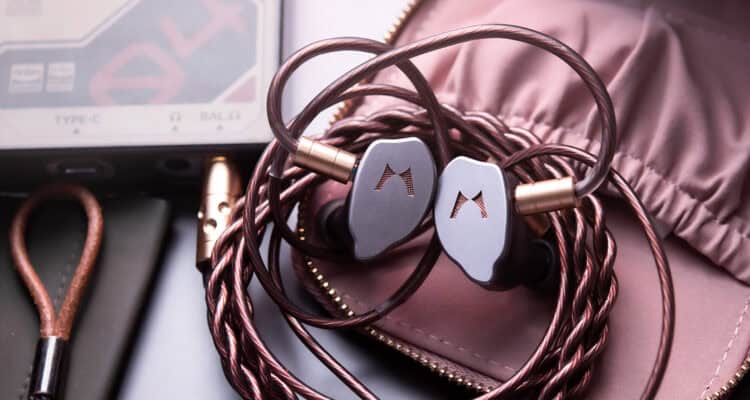
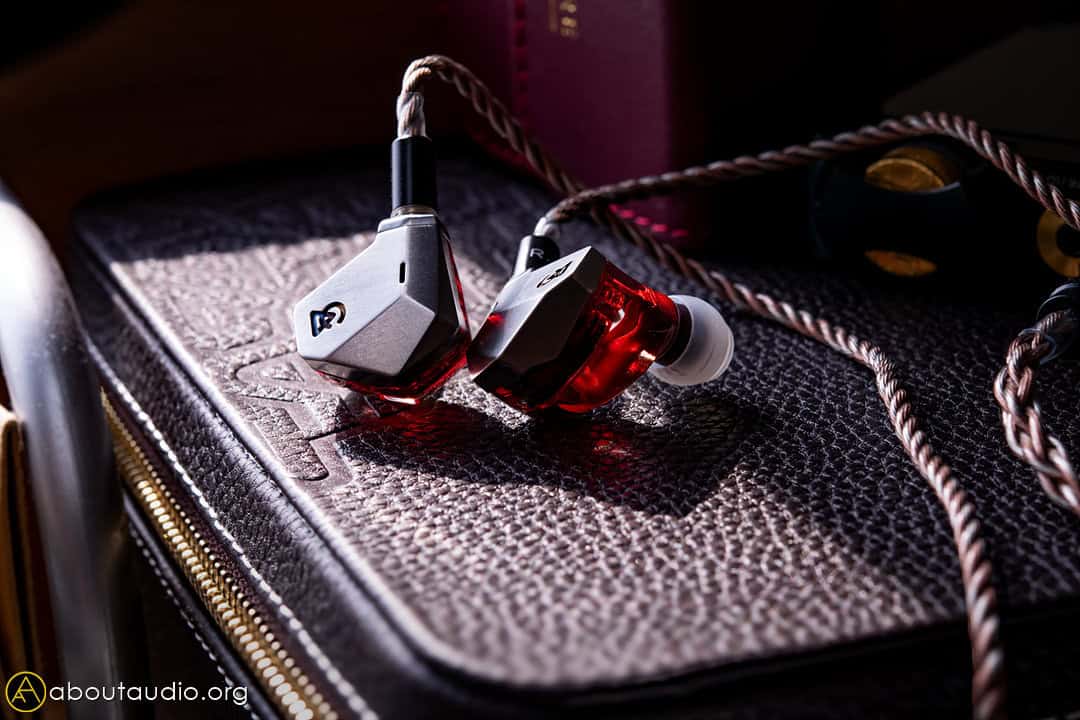
Compared to Campfire Audio Grand Luna (Review link)
Grand Luna and Sola both make good examples of how a relatively simple driver approach can compete against today’s complicated multi-driver IEMs, though their sound directions are quite different. Grand Luna goes bigger and heavier with the presentation. Its 14mm planar produces a much larger, thicker bass foundation with stronger sub-bass quantity, while the vocals are also fuller, warmer, and more spread out. Sola takes a calmer and more reference-like approach. Bass quantity is more reserved, strikes are gentler, and the vocals stay at a more neutral distance instead of filling the stage up close.
Grand Luna is therefore the more grand and bass-rich choice, particularly if you want large-scale lows and thick, soothing vocals. Sola gives up some of that physical scale for a cleaner sense of phasing and a more neutral presentation. The highs also stretch a bit differently; Grand Luna keeps the treble supportive and very easy-going, whereas Sola puts more attention into fine treble separation and upper-end extension despite similarly keeping the quantity gentle. Grand Luna feels deeper and more intimate in staging, while Sola sounds more open and evenly spread through the headroom.
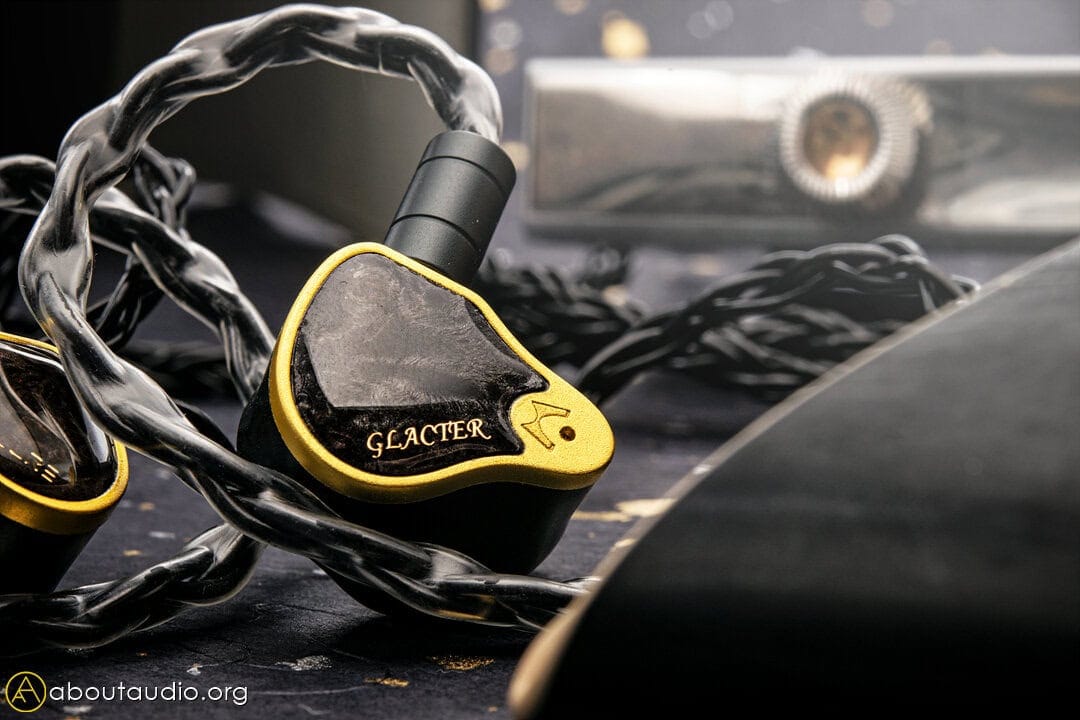
Compared to Metalure Glacier (Review link)
Glacier is Metalure’s higher-end tribrid flagship, priced at $1,629, and it shares some familiar Metalure traits with Sola: deep bass extension, airy vocals, and a sound that stays highly resolving without easily getting fatiguing. Though Glacier makes these qualities more apparent and energetic. The bass strikes are firmer and more rock-solid, vocals sit slightly closer, and the neutral-bright tone carries stronger airiness throughout the mid-range. Sola sounds gentler and more relaxed in comparison, with a smoother bass strike and vocals kept at a more neutral distance.
The biggest surprise is how well Sola holds up in the upper frequencies despite using only one dynamic driver. Glacier still creates the larger and more openly spherical headroom, and its EST trebles bring more obvious airiness and a silky spread across the upper range. Sola sounds more organic and unified from bottom to top, with the single-driver phasing giving the sound a particularly natural flow. Its treble extension and separation get surprisingly close to that EST-like fineness, though without going as bright or expansive as Glacier. In simpler terms, Glacier is the more technically assertive and grander Metalure, while Sola takes a smoother and more musically reference approach at less than half the price.
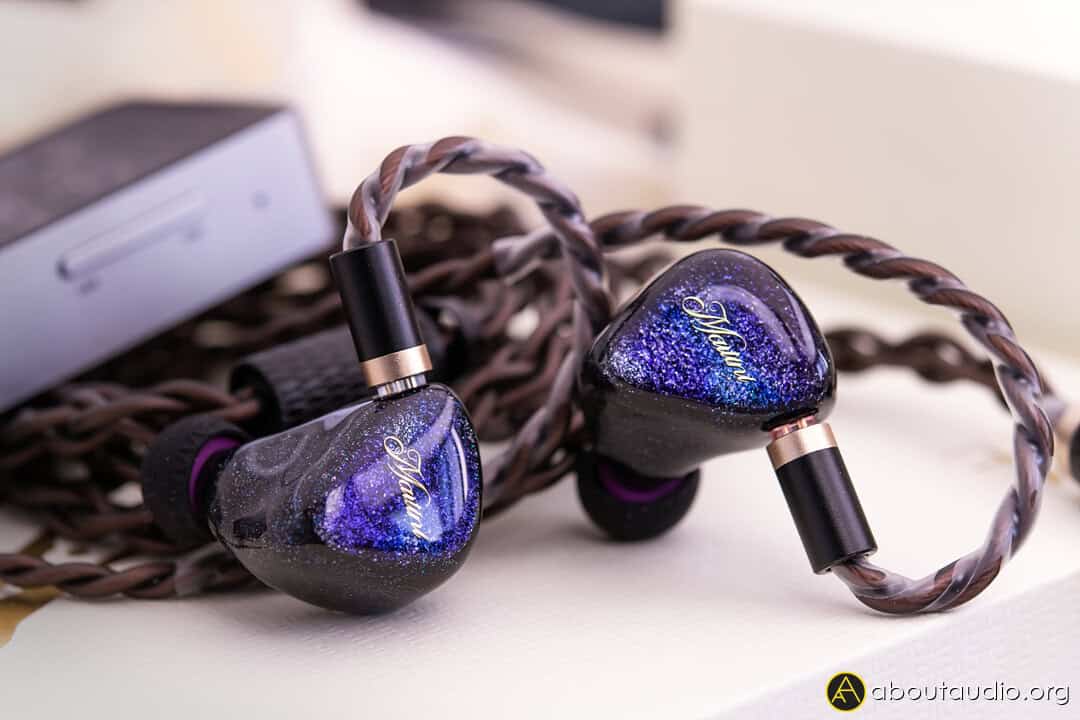
Compared to QOA Martini (Review link)
Martini sits quite close to Sola in price, retailing at $599, though the way these two create a balanced sound is different. Martini makes its vocals and upper frequencies more apparent, with slightly forward mids and sparkly, airy trebles giving the sound a clearer sense of energy. Its bass is also tighter and punchier in character, with the BCD adding tactile reinforcement underneath. Sola feels softer and calmer throughout. The bass has more of that smooth DD richness and natural decay, while vocals stay at a neutral position and allow the ambiance around them to form the scale.
Martini therefore sounds more vivid and deliberately separated, especially if you enjoy crisp vocals and noticeable treble sparkle. Sola places more value on organic texture, phasing accuracy, and long-term comfort. Its highs are less prominent in quantity, though the refinement and extension are surprisingly strong, keeping plenty of micro detail without making the upper range feel as active as Martini. Staging on Martini is more overtly holographic, while Sola’s immersion comes from the natural ambiance and consistent spatial flow of the single driver. Martini is the more energetic and contrast-driven of the two; Sola sounds more relaxed, cohesive, and reference-like.
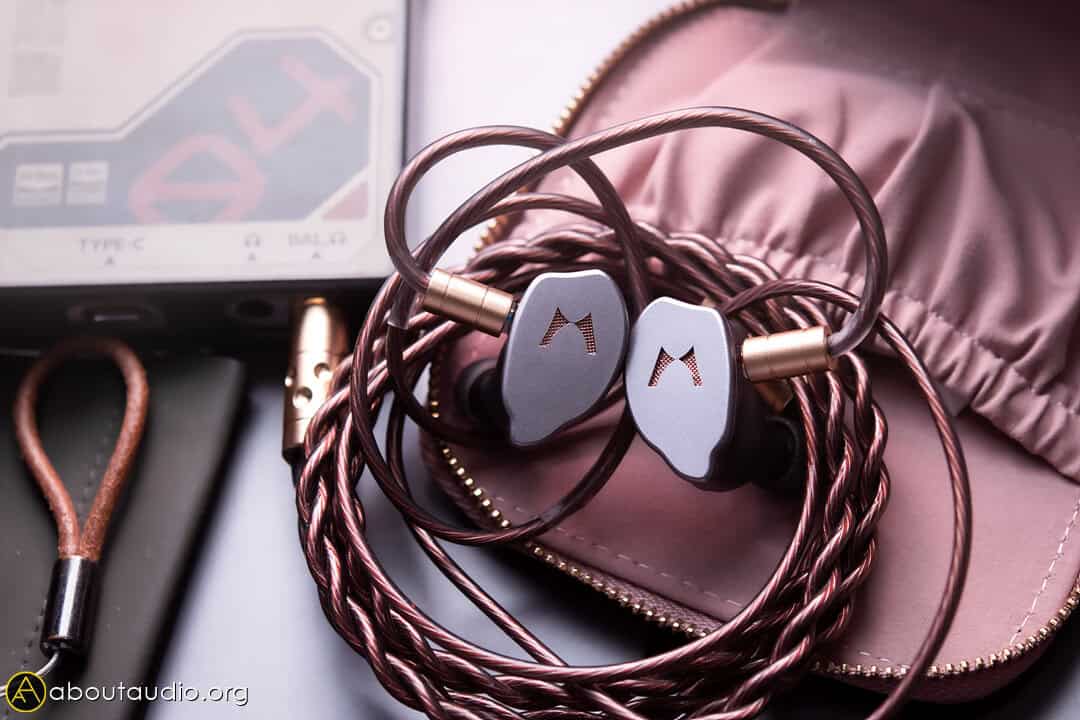
Inculcating “Reference Resolution” in Comfort; A Sound That’ll Last
Sola isn’t a “high-dopamine” that strikes you hard from the get-go. Especially if you’re used to vibrant (or even extreme) signatured IEMs, don’t judge Sola so quickly but let your ears get some run-in time with what Sola is doing – and it’s trying to deliver. The more time you spend with Sola, the more Sola will naturally start unveiling its pleasantness; high-resolution details coming through in a smooth, creamy, and fatigue-free manner. No brittleness, no unnatural metallic shimmer – but natural presentation, organic texture, and airy tone that lingers with a long aftertaste.
If you’re a single dynamic driver enthusiast (like I am), or if you’re looking for an IEM that is comfortable to listen to but don’t want to give up that fancy multi-driver sound nor the natural single-driver neutrality, be sure to check out Sola – you’d likely be starting to pay a lot of respect to Metalure and their cultured taste of tuning!