



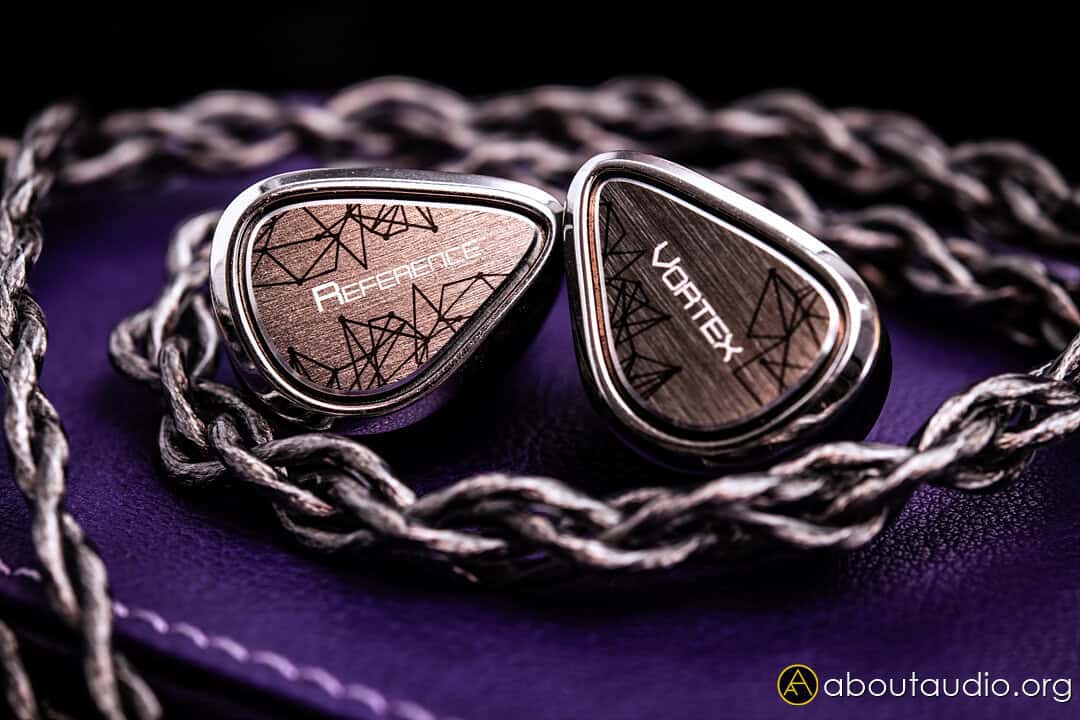
Compared to Vortex Reference (Review link)
Vortex Reference is Vortex’s first IEM, a $3,300 flagship limited to 100 pairs, using 2DD + 2 passive MEMS drivers. Both are flagships that go for a balanced yet musically enjoyable sound rather than a flat one, though they reach that balance in their own ways. Sonata has more physical bass punch and a more engaging presentation overall. The isobaric push-pull bass feels denser and weightier, and the stage is wider and more open-ended.
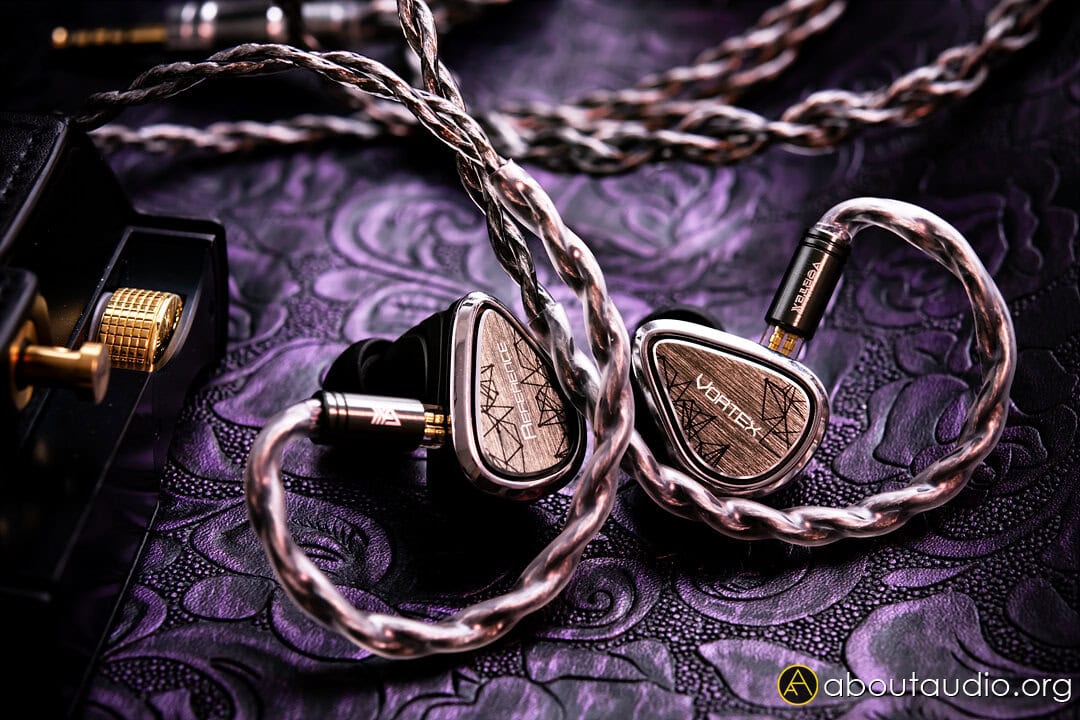
Meanwhile, Reference has a more even and balanced bass with natural decay, along with a more continuous midrange thanks to its single DD handling the mids. Its vocals are warm, creamy, and smooth within a darker tonal balance, while Sonata’s vocals are more neutral with that silvery glow.
For the highs, Reference extends further with its MEMS tweeters, which sound full-bodied, velvety, and lush. Sonata’s trebles are crisp and airy, staying in line with its neutral tone. If you want the more honest, revealing listen with that special MEMS treble, Reference is the one. If you want more bass engagement and a wider stage for $1,000 less, Sonata would be the better pick.

Compared to Palavox Dark Knight (Review link)
Dark Knight ($2,499) and Sonata sit in a similar price range, yet their personalities are quite different. Dark Knight has a holographic, W-shaped sound that is mid-centered and neutral-bright, with a glamorous and heavenly atmosphere from its generous reverbs. Sonata is more about neutrality and that golden balance – it doesn’t try to impress with extravagant tonal colors.

Both keep the sub-bass quantity around slightly v-shaped, but Sonata’s bass drops heavier and thicker in color with its isobaric design, while Dark Knight’s BCD-assisted bass is clean with pinpoint focus and a more neutral body. For the vocals, Dark Knight’s mids are creamier and lusher, expanding wider in a holographic manner. Sonata’s vocals are gently forward with a more neutral, organic tone and a silvery glow.
Treble on Dark Knight is silky and damped, whereas Sonata’s highs are crisper with more shine while staying organic. Dark Knight’s soundstage is wider, deeper, and more holographic, while Sonata’s stage is open and immersive but more natural in its imaging. Dark Knight would serve those who want a glamorous, holographic experience, whereas Sonata is for those who want a sound to settle on for the long run.
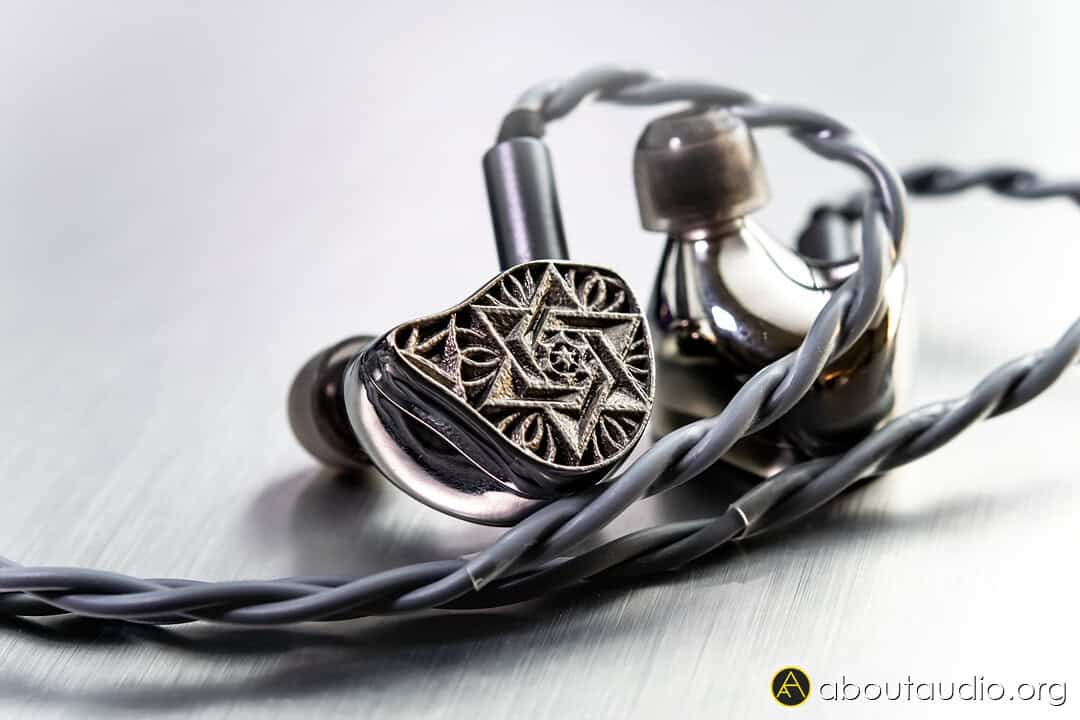
Compared to Unique Melody Maven III (Review link)
UM Maven III ($2,199) is perhaps the closest rival to Sonata. Both are titanium-shelled flagships at a similar price, both go for a balanced all-rounder tuning, and both manage to avoid the metallic quality that titanium shells could bring.
The differences come down to the details. Maven III’s bass is creamier and smoother with a harmonious roll-off, while Sonata’s bass is denser and weightier with more physical impact from the isobaric design. Bassheads may find both on the calmer side, though Maven III is the more restrained of the two.
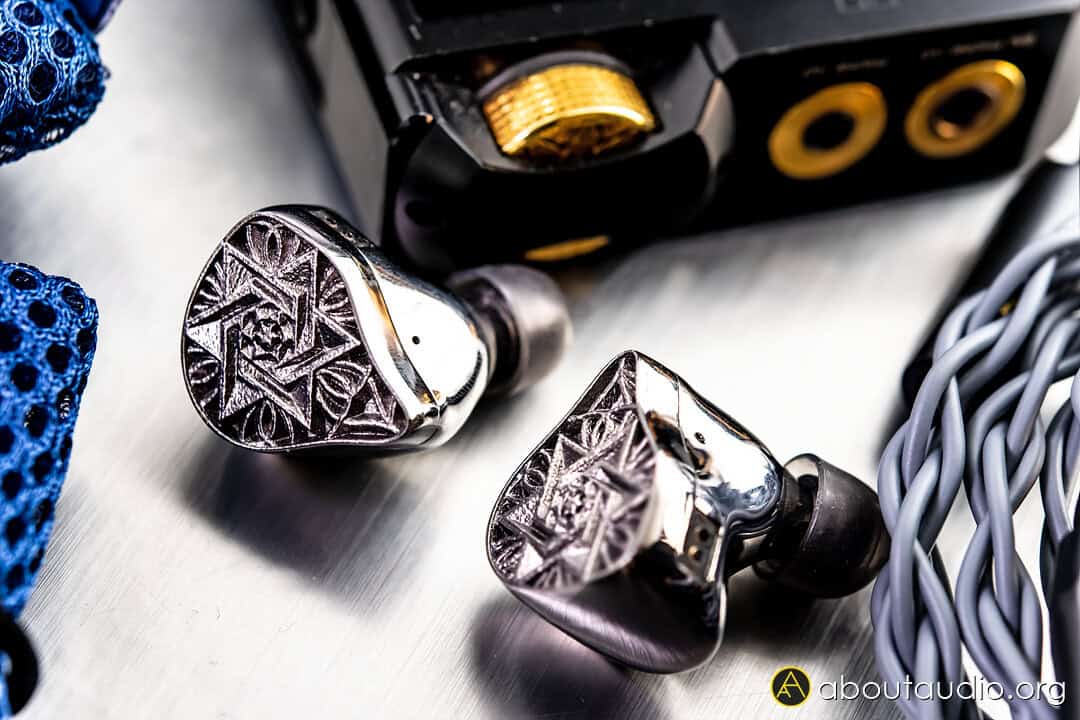
For the vocals, Maven III is sweeter with more moisture in the texture, whereas Sonata is more transparent with a silvery shine. Both have natural, realistic trebles. Maven III leans a bit smoother and moister, while Sonata brings slightly more crispness. Maven III’s stage is natural and subtly wide, and Sonata’s feels more open-ended. If you want a gentle, sweet all-rounder, Maven III is the one. If you’d like the same balanced approach with a little more weight and clarity, Sonata is worth choosing over.
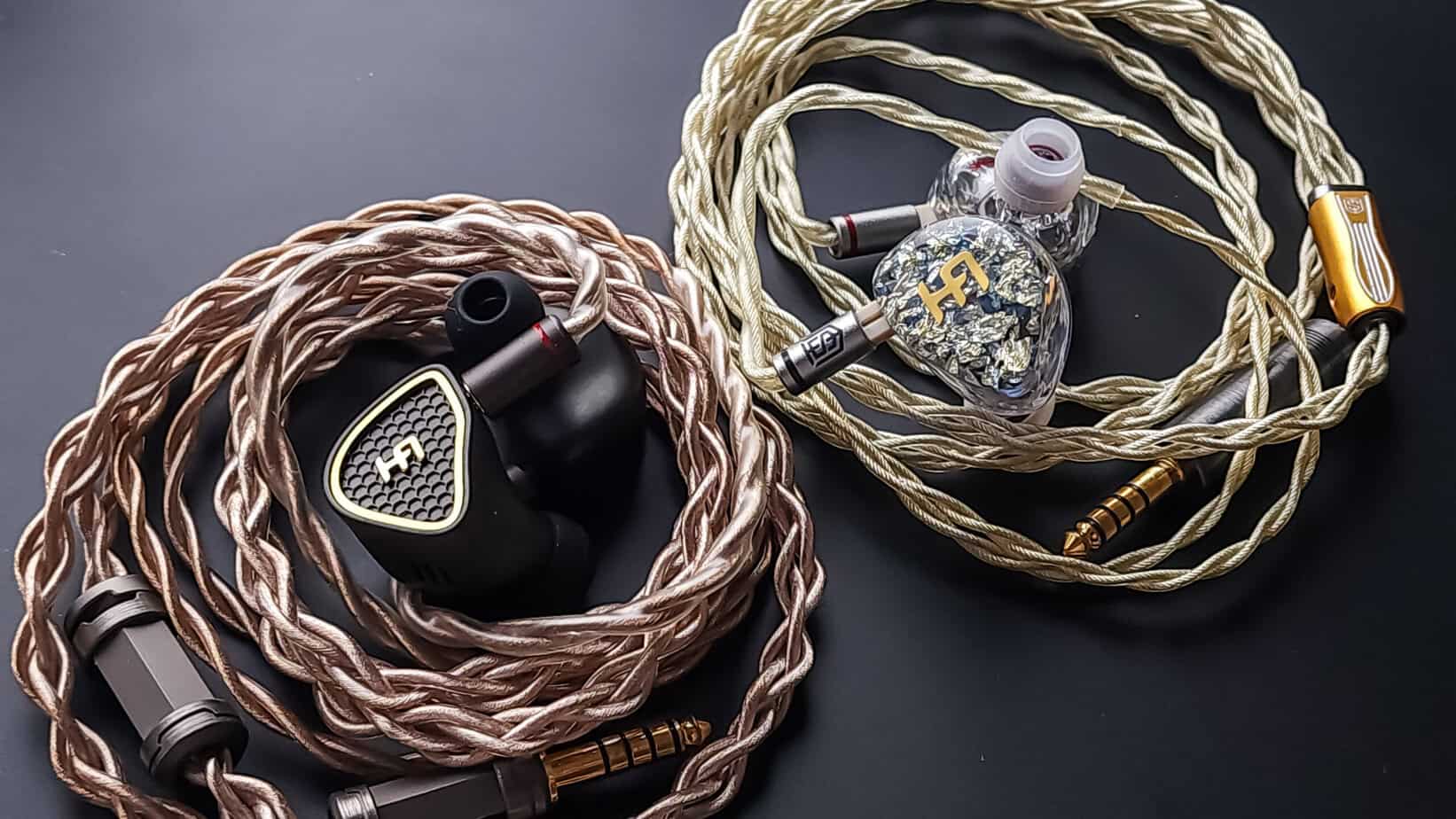
Compared to Hercules Audio Moses (Product link)
Moses is Hercules Audio’s flagship tribrid using 1DD + 4BA + 4EST in titanium shells, priced at $4,200 with the Scepter pure silver cable included. It’s another titanium-shelled tribrid like Sonata, but nearly twice the price.
Moses is a warm-leaning flagship that’s built around its bass. The low-end dives very deep with a physical rumble, and the quantity comes close to what most bassheads would ask for, yet the bass never floods into the vocals. Because the bass leads the music this strongly, the mids sound clean and natural but rarely take the spotlight. Highs are smooth and refined, with good extension and air that keep the listen fatigue-free. Imaging and separation are excellent, while the soundstage has a good size without being the widest among flagships.

Compared to Moses, Sonata keeps the sub-bass slightly v-shaped, tighter, and more agile, while Moses offers far more bass quantity and a heavier low-end. Sonata’s vocals are gently forward and more present, whereas Moses lets the bass take the lead. Sonata’s stage also feels more open-ended. If you’re after a luxurious, bass-heavy flagship, Moses would satisfy you. But for a balanced all-rounder at nearly half the price, Sonata is the smarter choice.

Balance Is the Real Luxury.
A sonata is a piece of music where each movement has its own role, yet they all come together into one complete work. Sonata lives up to that name. The lows, mids, and highs each do their part without any one of them trying to steal the show.
What stayed with me the most is how the sound sinks in over time. Sonata may feel ‘plain’ at first, yet the more I listened, the more I realized how hard this kind of balance is to achieve. It’s free of both ear fatigue and taste fatigue, which is exactly what makes an IEM worth settling on long-term.
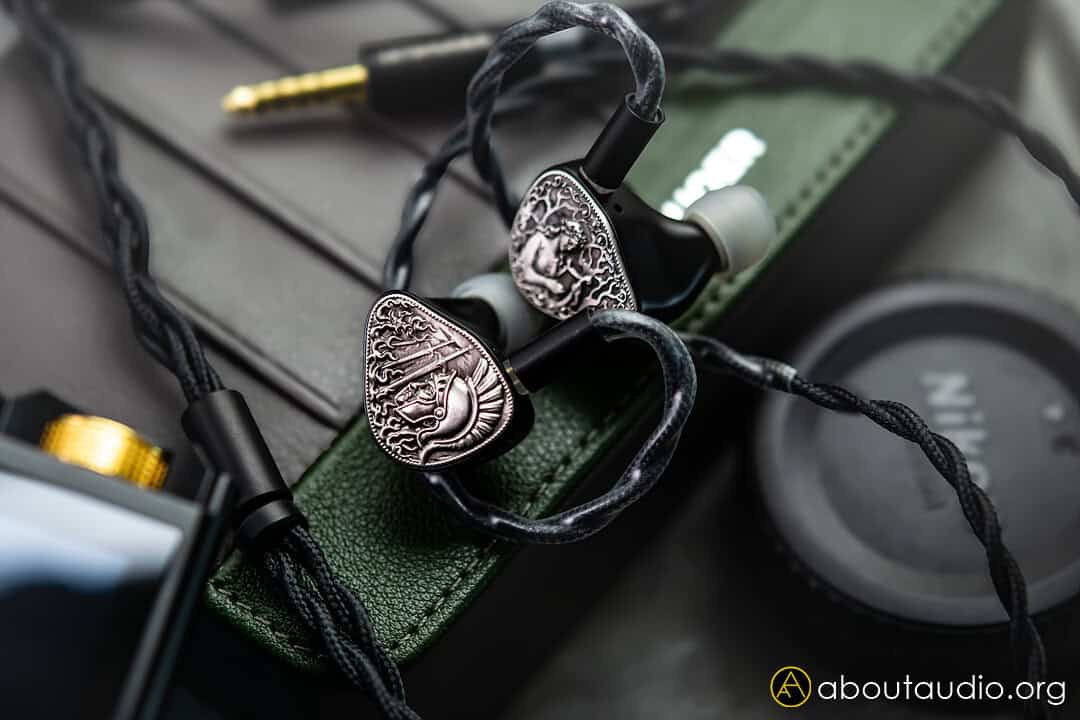
Strings, Power – and Golden Balance
At $2,300, Sonata competes evenly with similarly priced flagships like Dark Knight and Maven III, and holds its own against pricier ones like Vortex Reference and Moses. It’s not for bassheads or for those seeking daring, quirky tuning. But if you’re looking for that one all-rounder flagship to settle down with, Sonata could be your sincere muse…