


Sound Impressions: Bass / Overall Sound Signature
Freya Vanir has a tight, mild W-shaped sound signature with a well-balanced tonal balance. Let’s start talking about the lows. The bass is firm and taut, with a satisfying punch and a sturdy body in the mid-bass. What I especially like is the bass timbre, which is done in a classy, premium way.
The sub-bass is stable and even, diving deep and dense without ever getting blurry. Mid-bass quantity is generous and commanding – close to a V-shaped amount, though it doesn’t go overboard like a bass machine. It’s right on the edge of being basshead, so unless you’re after extreme boominess, Freya Vanir’s bass quantity won’t leave you wanting. Overall, the lows hold a clean yet dense balance between the sub-bass and mid-bass.
The bass strikes and decays quickly, so the low-end stays controlled and doesn’t spill over into the vocals. Kick drums land with a clean, rounded thump, and bass lines stay easy to follow even on busy rock tracks. It’s like a well-trained drummer who hits hard but never overplays the song.
Sound Impressions: Vocals / Mids
Vocals have a shiny, glamorous tone, yet it never becomes too much. The midrange takes half a step forward, making the vocals vivid and clear. Mid-highs are analytical and highly resolving, bringing out the vocal textures with ease.
What surprised me is how large the headroom and vocals are compared to the size of the earpieces. Normally, the unit size has to grow to build up a larger sound scale and headroom, which is why many IEMs tend to get bigger. Freya Vanir manages to pack a big sound into a small shell nicely.
Male and female vocals are delivered evenly, with neither one getting the upper hand. The upper mids carry a crisp edge that sharpens each word, yet the vocals don’t lose their weight because of it. Vocals sit neatly apart from the instruments, and the stage spreads wide with a good sense of height, giving the singer plenty of room to breathe.
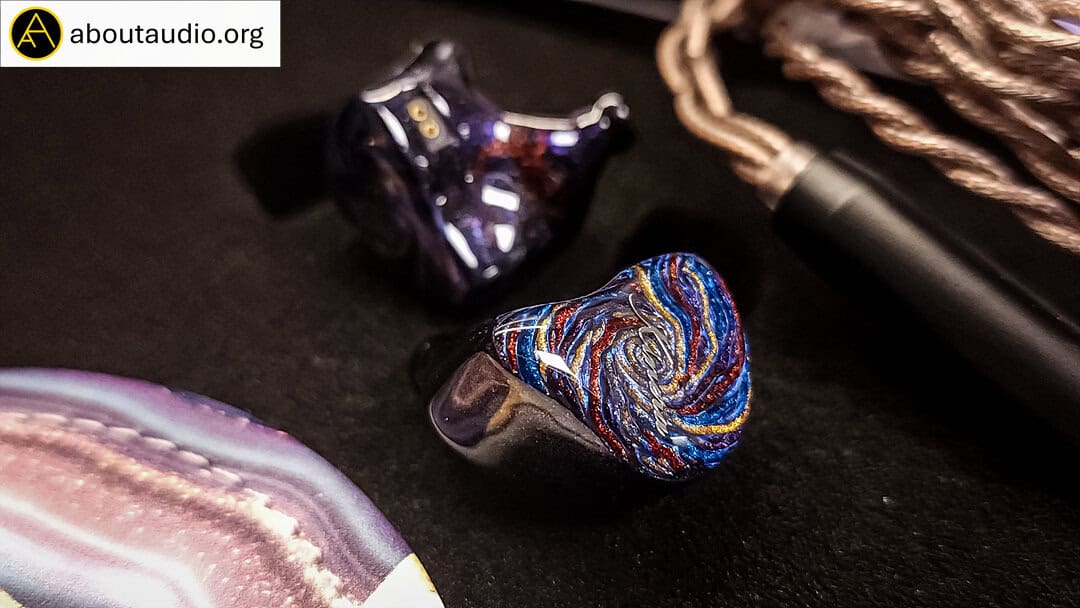
Sound Impressions: Highs / The MEMS Driver
As Freya Vanir uses a MEMS driver, I was particularly curious about the highs. Until now, MEMS IEMs – regardless of price – often had a timbre that felt too hard, stiff, or metallic once a MEMS driver was involved. This is the same pattern we’ve seen as driver tech moved from DD to BA, and then from BA to EST. I believe MEMS has been going through a similar process.

Starting with this year’s MEMS IEMs, though, MEMS seems to be finding its true sound. Freya Vanir’s highs show the clear difference and catharsis only a MEMS driver can bring, yet they don’t sound hard at all. To me, the real taste of a MEMS driver isn’t resolution that’s forcefully squeezed out, but a sound that takes hold of the entire treble region vastly. It tosses out the highs effortlessly and naturally, yet spreads them out in an instant – that’s the lively charm of MEMS.
Treble strikes are cool and clean with a quick response, and the timbre is clean yet natural and comfortable to listen to. Freya Vanir also captures fine, analytical details and micro details well. If you’ve only been using IEMs without MEMS drivers, Freya Vanir is a great way to discover the fun of listening to the highs.
Cymbals and hi-hats shimmer with a crisp sparkle, and the airiness from the upper end opens up the stage even further. Layering and imaging are strong for this price as well, placing each instrument neatly so complicated tracks stay organized.
Next Page: IEM Comparisons (Ice Lab Lumira / QOA Misty Blue / Kinera Nott Phantom) & Verdicts