



Astral Acoustics Reference Silver Review: Audible Purity
It hasn’t been too long since we last covered Astral Acoustics, though it’s also just about the right time to have another addition to the review lineup – this time a silver cable. Unlike Mars (pure copper) and Amethyst (copper-based alloy mix), the Reference Silver is Astral’s so-to-speak ‘textbook answer’ for those who want to hear what their IEMs can do when paired with a pure silver cable.
Priced at $750, Reference Silver currently sits at Astral’s upper-end offerings. Where Mars went for a warm and natural signature, and Amethyst leaned into smoothness with a touch of grandeur, Reference Silver promises a cleaner, more open presentation that lives up to its name. Let’s see what Astral Acoustics has brought to the table with Reference Silver, how it’s built, how it sounds, and how it compares with its siblings and other cables in this range.

Specs & Features of Reference Silver
As other Astral cables do, Reference Silver also comes in a square, black casual box with a soft storage pouch and the cable itself. Nothing special about the packaging, sure, though Astral responds as it’s their cost-effectiveness to cut unnecessary costs and focus on the products themselves. While I also appreciate products that have put effort into neat presentation and lore creation, cost-effective moves like these are just as preferred. It’s the approach of packing the costs into the product itself as much as possible.
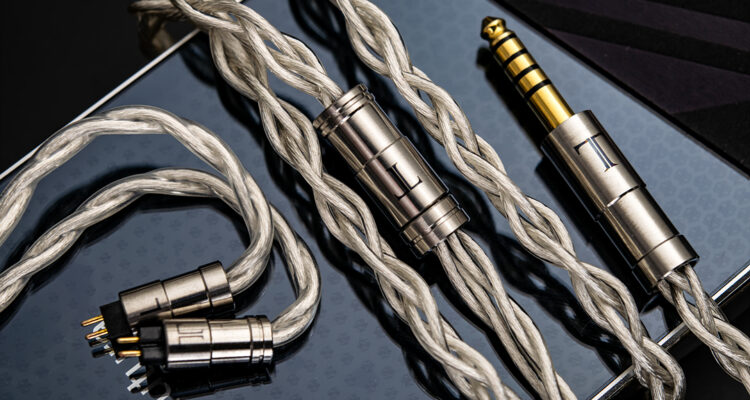
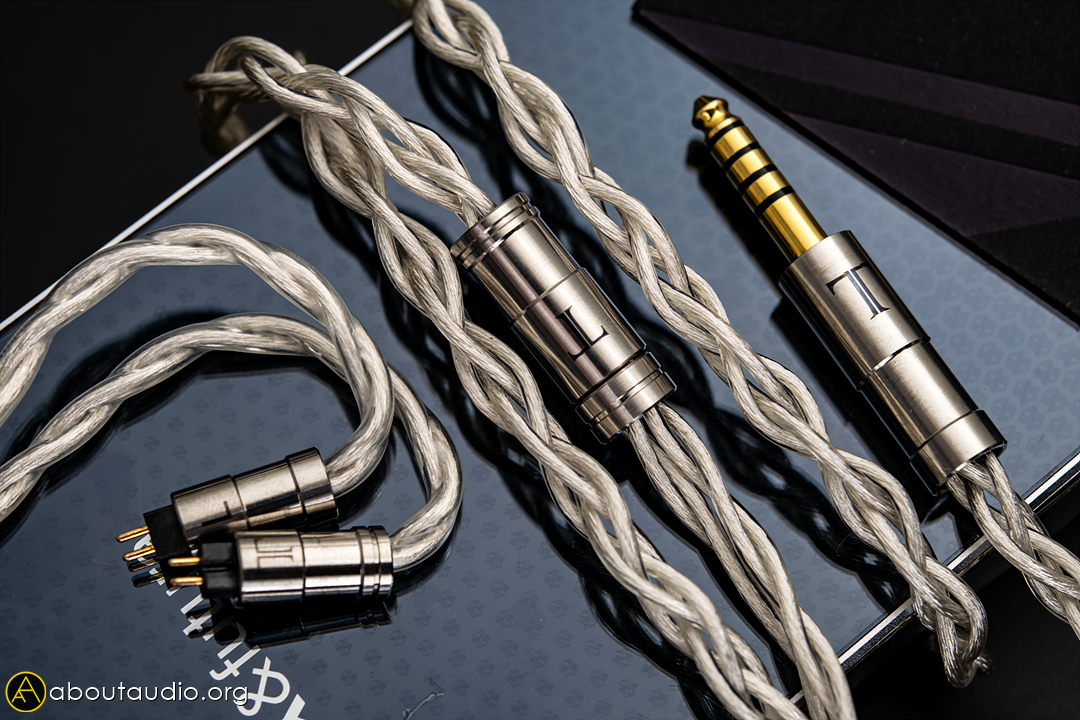
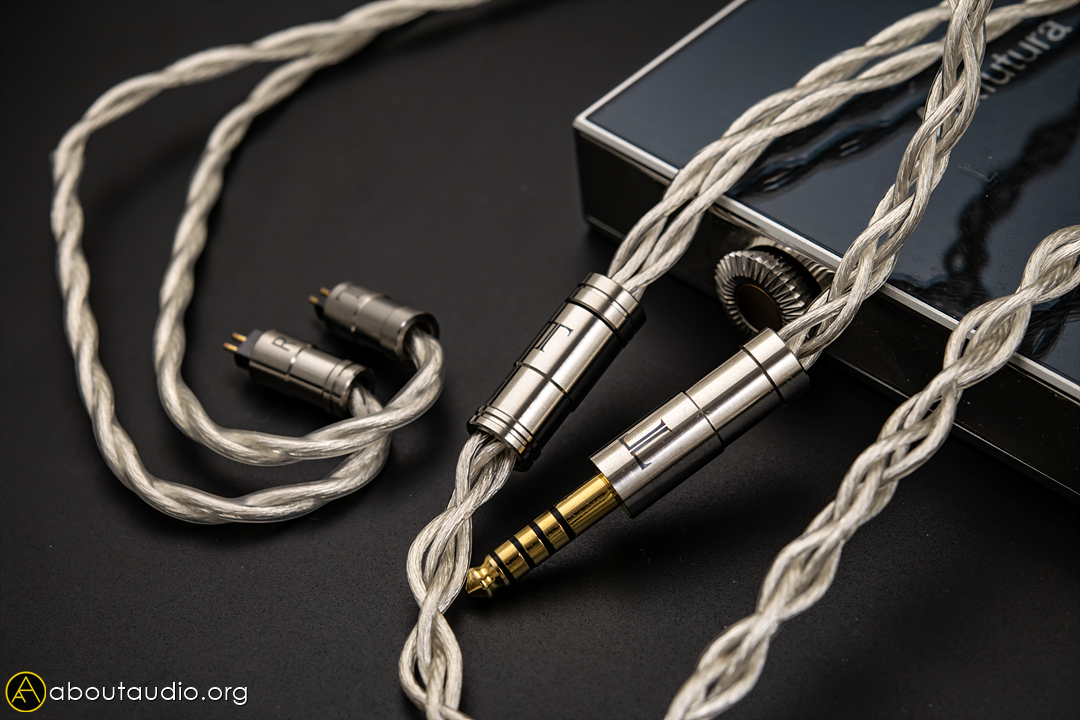
Reference Silver is a 4 braid cable using 23.5AWG Litz 5N Type 6 Pure Silver conductors. Being Astral Acoustic’s official monitoring cable, Reference Silver is intended for neutral, transparent sound. Here’s a nice, brief rundown of the sonic characteristics introduced by Astral Acoustics.
– Clean, transparent sound
– Enhancing resolution, separation, and clarity without introducing brightness
– Great extension on lows and highs
– Extracting the purest sound and technicalities without adding extra colour.
Usability / Flexibility
Unlike other cable products from Astral Acoustics, Reference Silver features TA4 Titanium accessories for the plug and parts. FYI, there are grades to titanium and not all titaniums are the same in grades and qualities (TA4 is a higher grade than the iPhone 15 Pro Max!) The parts are sturdy but very light, thanks to the titanium parts. The wires are also very pliable and soft, being one of the softest cables to handle. Wires have no microphonics or stiffening over time, either.
Along with player-end plugs, Astral Acoustics provides a variety of connector terminations for IEMs and headphones (2pin, MMCX, Pentaconn Ear, T2, XLR, etc.) with customizable length. Astral Acoustics also burns in each Reference Silver cable for 50 hours to ensure it provides its intended sound.
Sound Impression: How does the Reference Silver sound?
Silver has long been considered the “go-to” material for clarity and details, but also stereotyped as being too bright, sharp, or lean. That’s where Astral Acoustics steps in with their own take. As the name hints, Reference Silver embodies most of the positive traits you’d expect from pure silver (mainly transparency, agility, and resolution), while avoiding issues such as metallic tone, spiky upper frequencies, and thin lower frequencies. Reference Silver overall keeps a well-bodied and smooth sound with natural timbre. With faster roll-off for sub-bass, Reference Silver tidies up the low frequencies without degrading the bass texture or depth.
Compared to, let’s say copper, Reference Silver brings less meat and body to the low frequencies, yet the bass dives just as deep. In fact, it wasn’t rare for me to notice Reference Silver making the IEMs’ bass sound resolving and deeper by better pinpointing the bass texture. Reference Silver does justice when it comes to unveiling the mids or “clearing away the myst” as I like to say. Trebles get more articulated and crisp without getting metallic or edgy, all while nicely highlighting the silvery timbre and texture.
Paired with DITA Audio Perpetua (Review link)
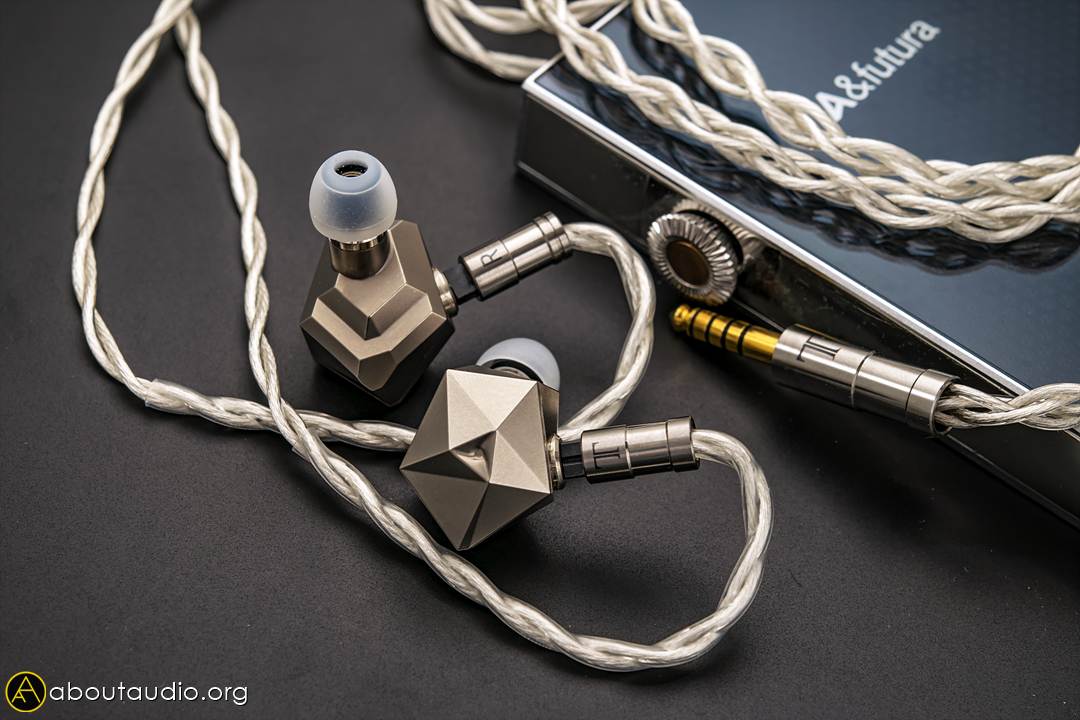
My first pairing choice for Reference Silver was with Dita Perpetua, the flagship (soon to be succeeded by Ventura) IEM from Dita Audio. Perpetua uses a single dynamic driver and comes with a custom-grade “Coil Over” proprietary stock cable. Dita also offered Dita Celeste to go along with it, a flagship pure-silver cable collaborated with Kondo Japan, a renowned pure silver wire manufacturer for speakers. Dita Perpetua desires a warm, organic, and overall ‘thoroughly acoustic’ sound. Though the default settings of Perpetua, compared to other IEMs, the lower ends tend to be softer, while the upper ends are smoothed out.
Though before getting into the impressions, in case anyone is trying to pair Reference Silver with Perpetua, please note that Perpetua requires a bit more extrusion for the 2pin sockets, as the earpieces require a slightly deeper insertion than standard 2pin IEMs. While usable, the insertion isn’t deep or safe enough to guarantee a secure fit with the standard 2pin length, so make sure to leave a special note in case ordering to pair it with Perpetua.
Pairing the Astral Reference Silver with Dita Perpetua is quite nice, as it brings out the anticipated tweaks I’ve been looking for. The original settings of Perpetua were more than pleasing to listen to (as described in our previous Perpetua review), though at times when I’m listening to faster tempoed tracks and brighter genres, I’ve wanted a bit more control and clarity from it.
Reference Silver adequately tightens the reverbs, providing a cleaner background and additional tightness throughout the spectrum. Bass sounds more solid with vocals and trebles having better transparency and sparkle. Most importantly, Reference Silver doesn’t skim out the full-bodiedness that Perpetua pitches as one of its major charms – nor does this change result any lesser in vocals sounding organic.
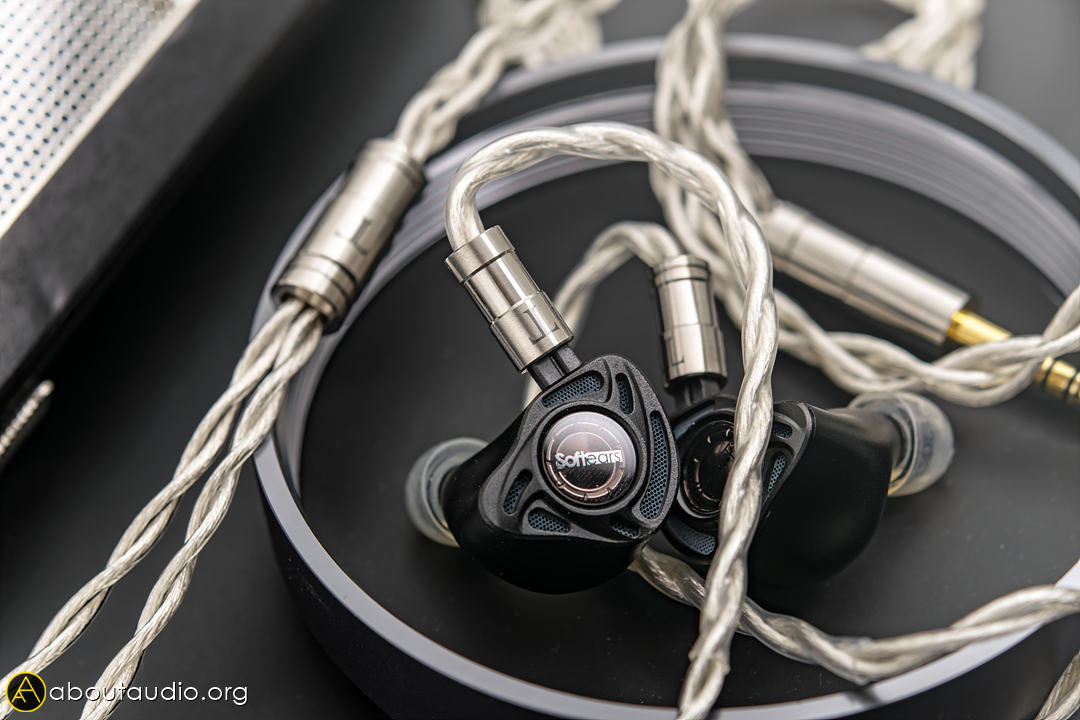
Paired with SoftEars Enigma
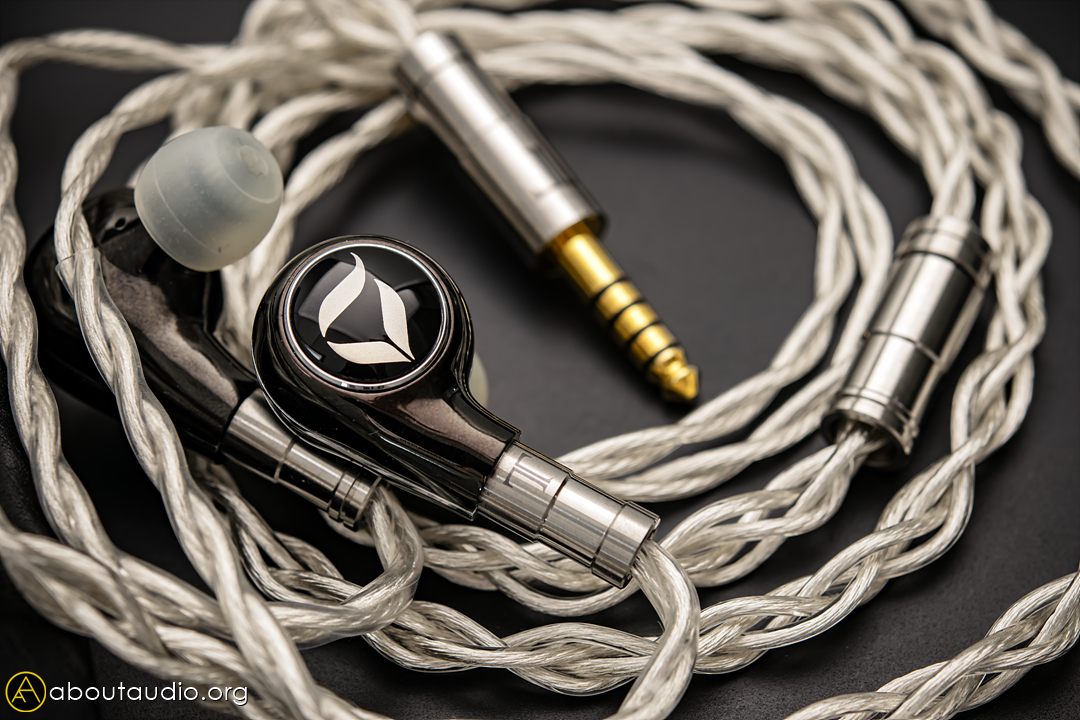
SoftEars Enigma is a 2DD+6BA+4EST tribrid flagship that comes with an Effect Audio stock cable comprised of silver-copper and gold-silver wires. A very intricate cable combination and choice which works out awesome as it is, though I still wanted to try pairing Reference Silver with Enigma, as the IEM is quite susceptible to cable changes. While the original Effect Audio cable provided more spatialness and color to the sound, Reference Silver brings out a sound that is more neutral in phasing and timbre.
Another change is that the vocals gain a lush, silvery tone. It’s a seamless yet prominent change. Gets lesser of boosted saturation, which means more neutral, but then again Reference Silver introduces a plentiful amount of silvery ray to the mids and highs, so it’s just as colorful in terms of tone color – it’s a different type of coloredness, I’d say. Reference Silver introduces more transparency and airy breeze to Enigma, with noticeably tighter bass control and sturdier thuds. The ultra lows and trebles are also better presented/audible with the Reference Silver than the stock cable, and especially the ultra lows. The bone conductor driver coming to life alone makes it worthwhile to try Reference Silver for those who own Enigma.
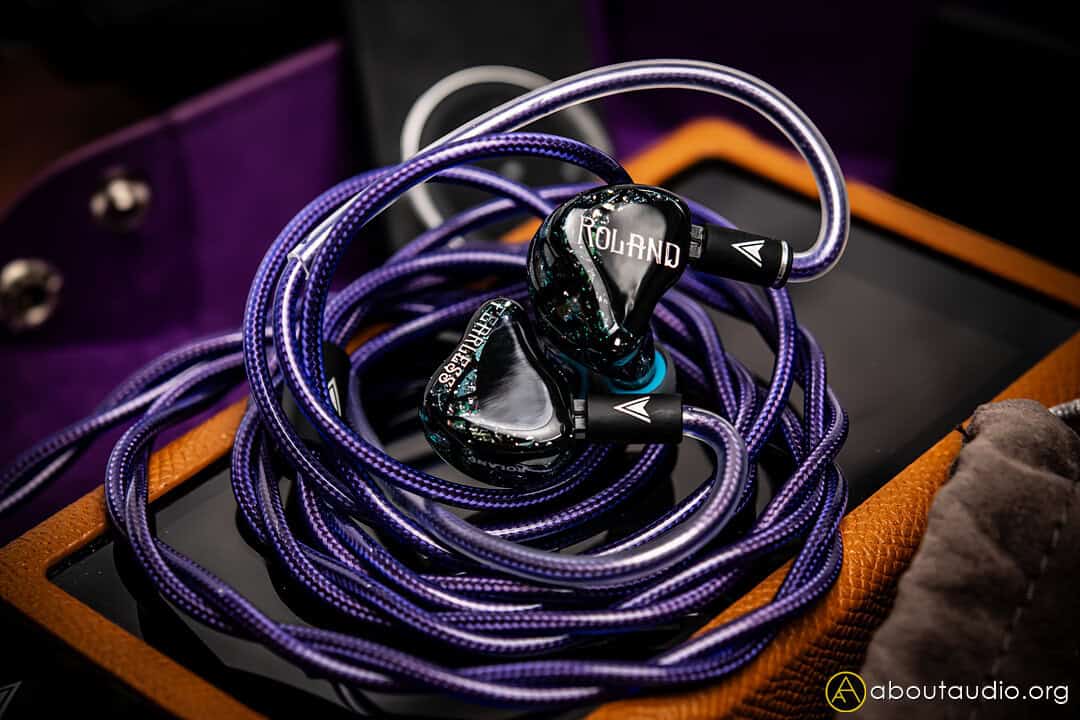
Compared to Astral Acoustics Amethysts (Review link)
Featured earlier as the stock cable for the Alpha Omega’s Omega IEM, Amethysts is one of Astral’s high-end cables and uses an SPC+OCC blend for the wire geometry. Compared to Amethysts, Reference Silver provides better sub-bass reverb control and clearer ultra lows. This leads to the cleaner and clearer bass grooves. The impressive part is that, despite Reference Silver having a monitoring-like tuning and tightly controlling the bass, the bass is practically just as full, deep, and thick as Amethysts. Since Amethysts previously left me a bold impression with its rich bass response, I’ve expected Reference Silver to at least fall behind in bass performance when put to the comparison, though apparently that wasn’t the case.
Reference Silver’s vocals are also tighter, agile, and more revealing in texture and resolution. Trebles are noticeably more tasteful and shine up in a very neutral manner, highlighting the treble tones without disrupting the IEM’s tonal balance. While Reference Silver takes the high ground when it comes to analyticity and extension, if you desire the prominent meatiness for lows and mids, and don’t particularly desire to further unveil the upper-frequency tones, then Amethysts would be a better choice. Though if cleaner reverbs, tighter lower frequency control, and sparkly upper frequencies are the elements you’d like to add to your IEMs, then Reference Silver is the one to go.
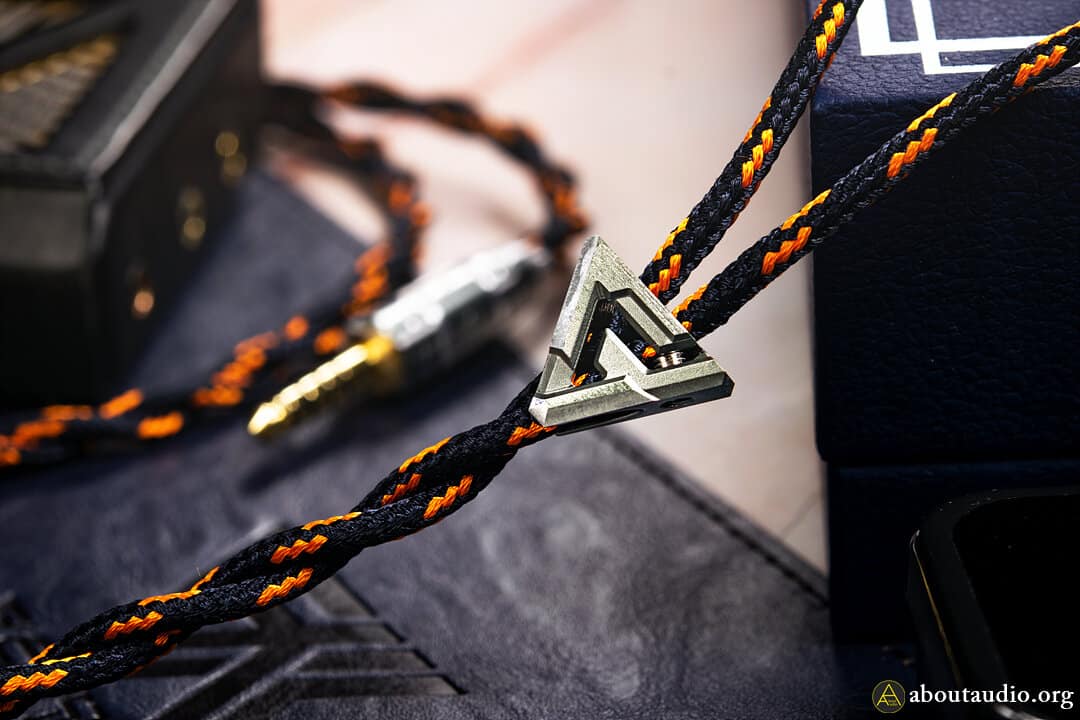
Compared to Vortex Cables Lavinia (Review link)
Let’s compare Reference Silver with another popular flagship custom cable – the Vortex Cables Lavinia. Being one of the flagship products of Vortex, Lavinia uses a complicated blend of different rare metals, including Gold, silver, palladium, and copper. The sonic differences that first caught my attention were the trebles. Lavinia’s treble performances go neck to neck with Reference Silver, though the difference is that Lavinia oils up the treble timbre with additional lushness, making the trebles and instruments sound smoother and richer. Meanwhile, Reference Silver keeps the tone thoroughly organic and neutral, keeping the tone and texture as ‘the way it’s supposed to be’. Lavinia’s lows and mids are more mellow and emotional, showing slower roll-offs and introducing a generous amount of reverbs to create a roomy feel towards the bass and vocals.
Lavinia also provides a stronger bass quantity in general, as well as thickening the tone in color. Reference Silver shows faster roll-offs and keeps the texture tighter, crisper, with the tone being clearer. Another major difference between these two is that Lavinia also boldly adds holographic imaging to the IEMs, while Reference Silver stays loyal to the original headroom and only improves the imaging based on the intended soundstage. Their performances are overall on the same tier, though their approach are drastically different – Lavinia heading towards maximizing the musicality, whereas Reference Silver goes for analyticity or the textbook ‘reference’ approach.
Absolutely loyal to staying Reference and being Silver
Inevitably, the ‘silver supremacy’ gimmick has been used for decades in this industry, resulting in numerous pure silver cables as stock or as standalone products, though there are two important thoughts (factual) I’d like to share, which are: 1) Pure silver cables aren’t necessarily superior to SPC or pure copper, and 2) There are different grades to pure silver.
Pure silver cables aren’t always a better choice just because of their material or price, though, with the right application, they certainly bring a greatly noticeable and positive improvement to IEMs and headphones. Despite going through various pure silver cables, from affordable and expensive, Reference Silver is definitely up there in the list in both quality and tuning.
The purity of the material becomes evident when listened to, and the tuning is thoroughly balanced and reference-style, as pitched through its name. In case you’re looking for a flagship-grade pure silver cable that would offer a bold ‘pure-silver’ application to the sound of your IEMs and headphones, Reference Silver will treat you wholesomely – and break the bank less than bigger custom cable brands!