


Compared to Artpical Michael (Product link)
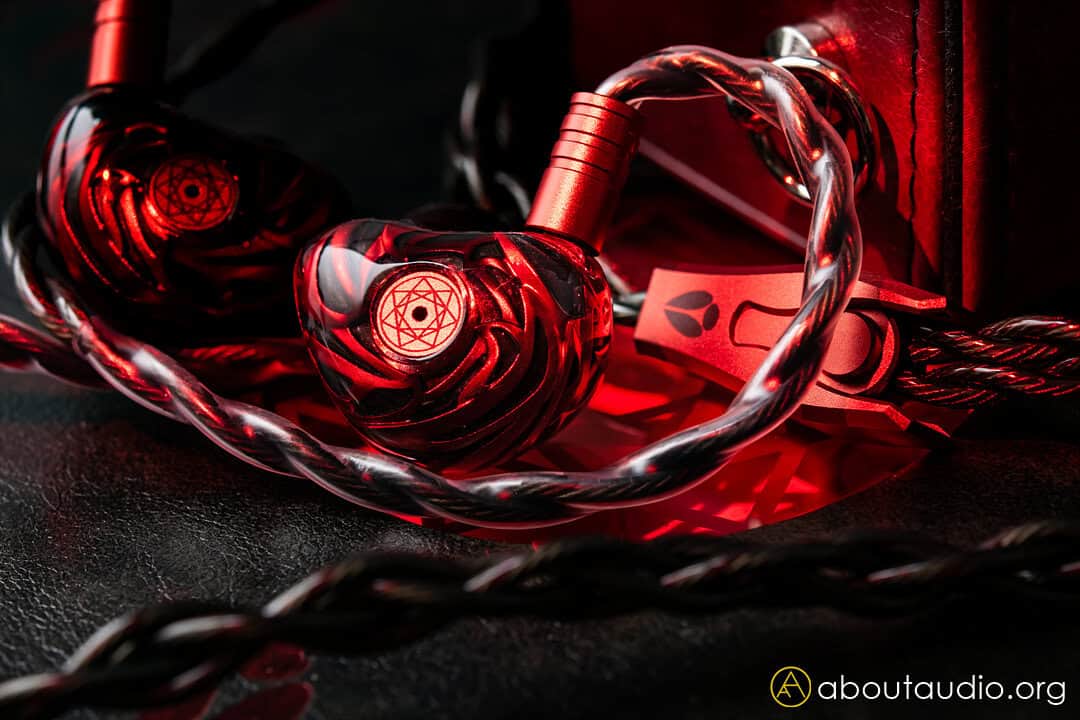
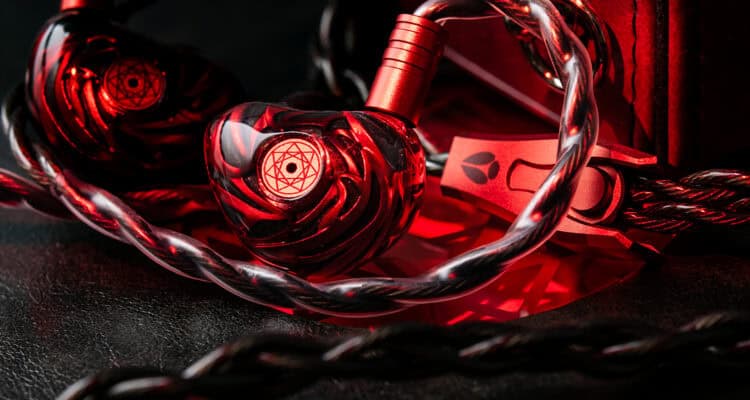
Michael ($1,280) is Artpical’s earlier hybrid flagship, sitting just about the same as Satan in price. It uses a 6-driver setup of a 10mm dynamic driver, 3 Knowles BAs, and 2 Sonion EST drivers, and shares the same basic shell contour that Satan is built on. Interestingly, while I said Satan’s planar highs sound as if they were ESTs, Michael is the one that actually uses ESTs for the ultra-highs.
Michael is more balanced and neutral, whereas Satan is more v-shaped and fun-tuned. Satan has stronger bass with a deeper dive, along with stronger bass dynamics and ambiance. The bass is also warmer and thicker on Satan. The mids are similar between the two, but the background tone differs – Satan has a dark, pitch-black background while Michael’s background is more neutral.
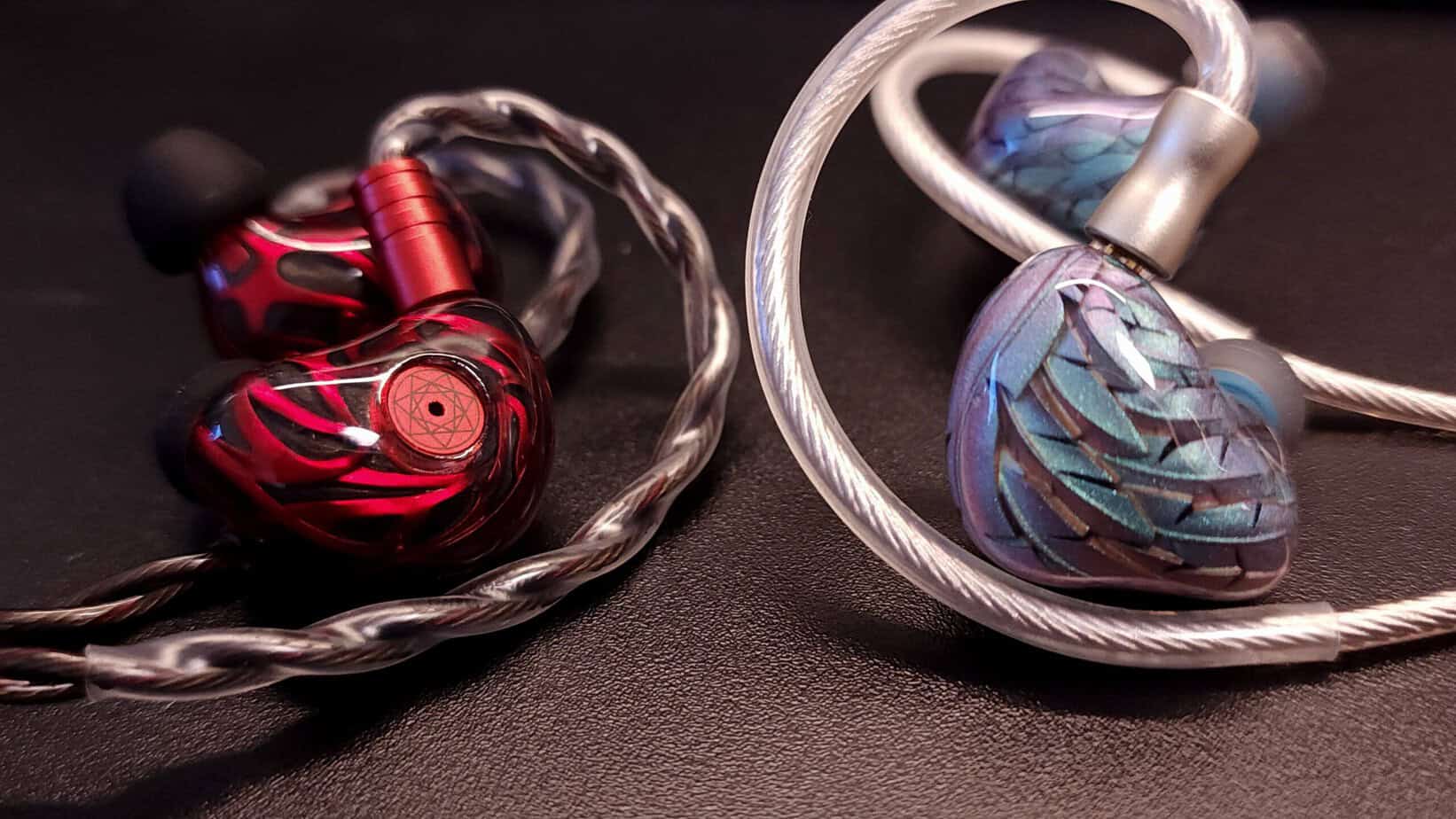
Satan’s sound is more grounded in the lows, building the sound’s gravity and weight in the lows and lower mids, while Michael keeps its gravitational focus more in the center. If Satan is a building with its weight set firmly in the foundation, Michael is one with its weight spread evenly across every floor.
Michael is more refined and velvety on the upper-ends and treble. The extension and performance are just about similar, but Satan is quieter and calmer on the highs. Those who are treble-sensitive, or those who want a more v-shaped and bassier sound, will prefer Satan. Those who want a calmer, graceful sound and balance without getting bombastic will prefer Michael.
As for the soundstage, Satan is grander with deeper depth, while Michael has better upper-end extension and openness. After all, choosing between these two is less about which is better and more about where you’d like the weight of your music to sit.
Compared to Artpical Lucifer (Product link)
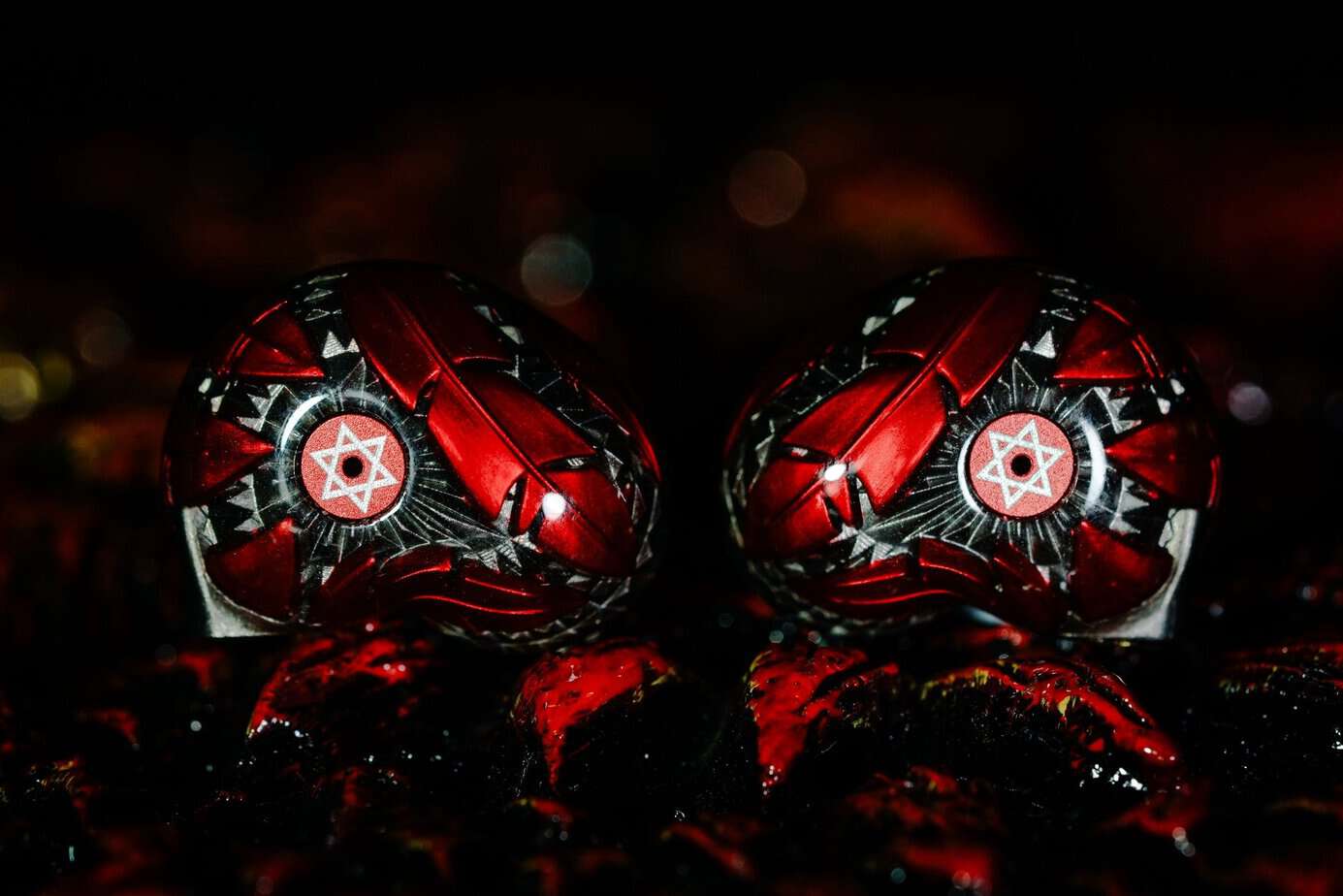
Lucifer is Artpical’s single dynamic driver IEM, using a 10mm titanium diaphragm in an aluminum alloy sound cavity, priced at $386. It’s also where Satan’s design language started from, with the same red and black, abyss-inspired theme.
Satan is the full form and embodiment of what Lucifer was trying to achieve – or what Lucifer would’ve achieved if it were given full power. The overall sound signature is very similar, but Satan improves on it throughout all aspects. The mids are resolving and creamy with higher resolution, the treble extension and technicality are significantly superior, and the bass is more mature, fuller, and larger.
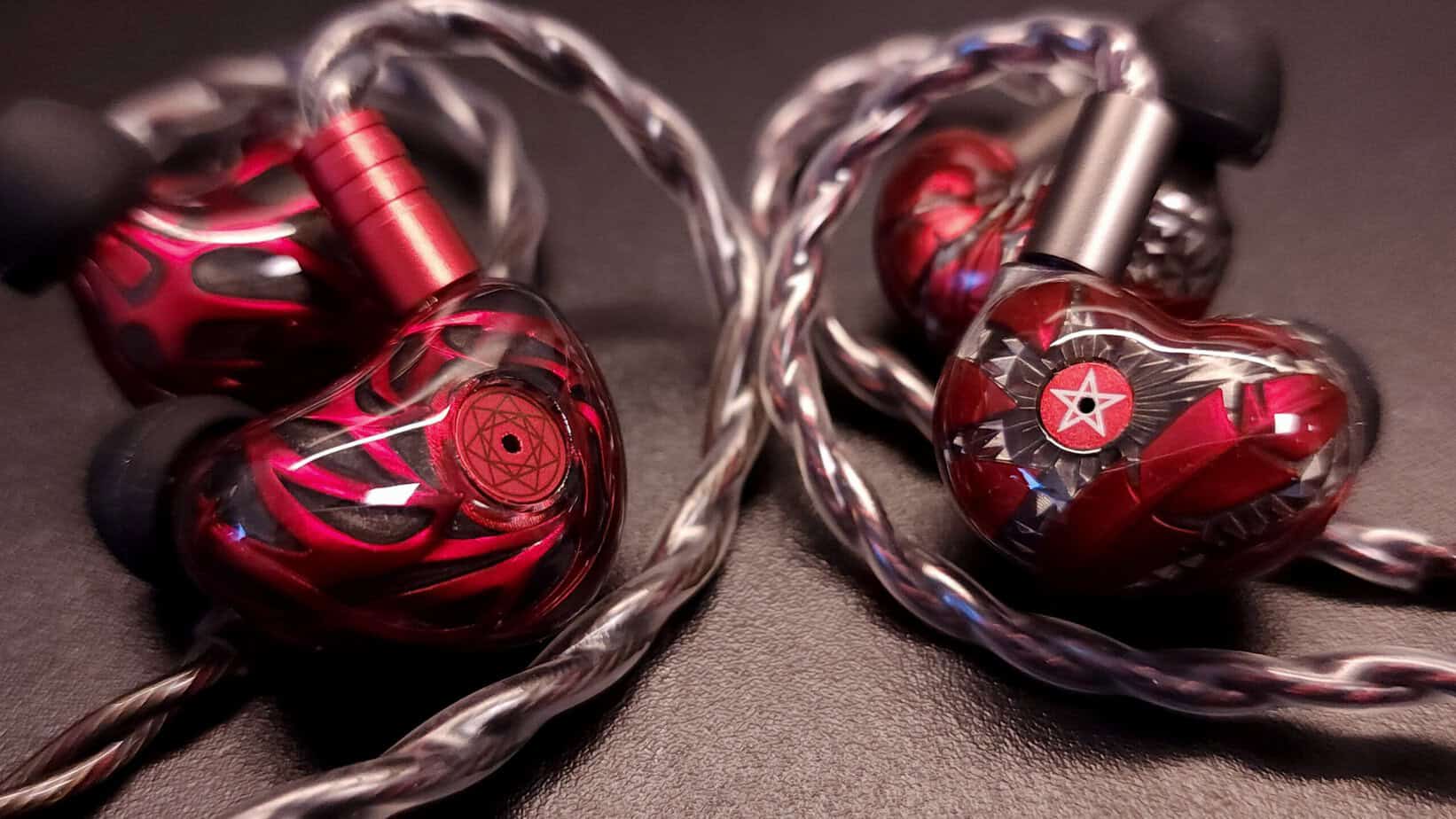
Surprisingly, the overall sound signature and timbre stay consistent with Lucifer. So if you enjoyed Lucifer, you’ll find Satan to be its flagship-tier version, with more musical impact and bass thuds. It’s like hearing a demo track you loved finally get its full studio production – same song, same soul, but everything sounds bigger and richer.

Compared to Palavox Dark Knight (Review link)
Dark Knight is Palavox’s $2,499 flagship with BCD-assisted bass and 4 micro-planar tweeters – the same type of tweeter Satan uses. Both are tribrid flagships packed with drivers, yet they go in quite different directions. Dark Knight has a holographic, W-shaped sound that is mid-centered and neutral-bright, whereas Satan is fun-tuned with more weight on the bass.
Satan offers a more grounded bass – deeper, a bit stronger in quantity, and has a darker tone. Dark Knight’s bass is clean with pinpoint focus and a gentle v-shaped sub-bass, while Satan reaches basshead-level depth and presence. For the vocals, Dark Knight takes the lead with its creamy, lush mids that stay transparent and expansive. Satan’s vocals are just as transparent and airy but with a silvery tone, and they shine more through the contrast against the dark bass.
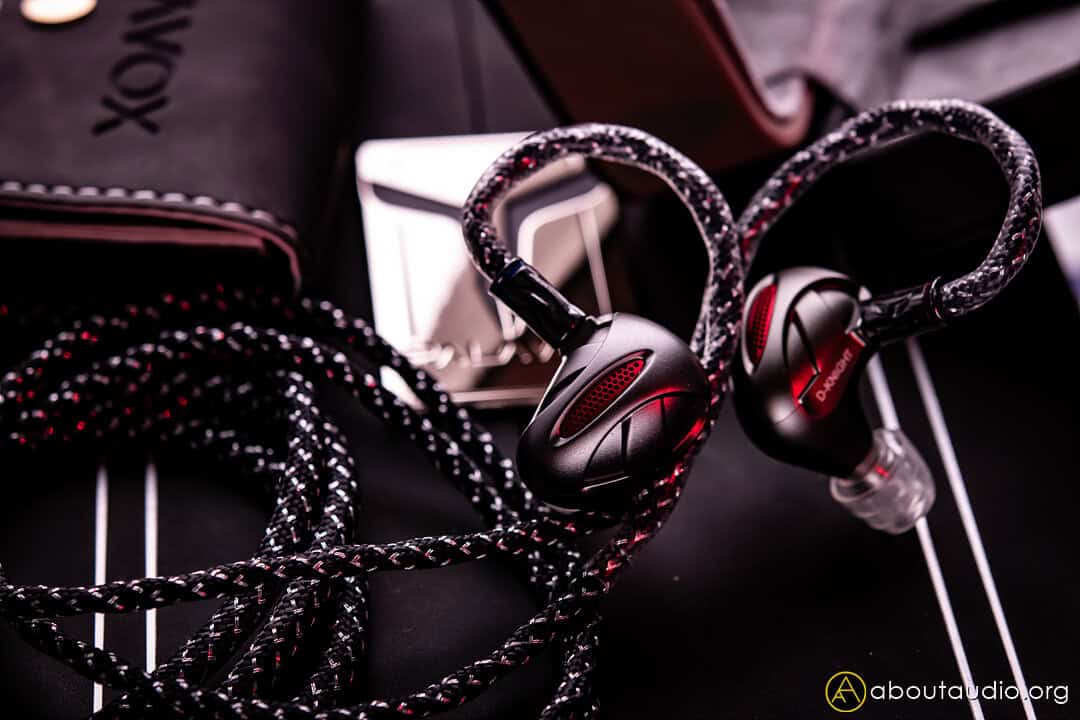
Treble on Dark Knight is silky, smooth, and damped, while Satan’s highs are more cheerful, crisp, and lucid. As for the soundstage, Dark Knight builds a wide, deep, and holographic space with great front-to-back layering. Satan goes taller instead, with a neutral width but a very large up-down headroom.
Highs are more focused on solid and agile strikes on Satan, whereas highs on Dark Knight focus more on the gradual strike and decay – letting the trebles make their move over a longer time and pace. If you’re a vocal lover who wants a holographic, immersive stage, Dark Knight would serve you better. If you want more bass-fun, V-shaped, and drama for about $1,000 less, Satan is hard to ignore.

Compared to FIR Audio Xenon 6 (Review link)
Xenon 6 is FIR Audio’s $3,899 flagship that I called basshead perfection, with its Kinetic Bass delivering bass you can physically feel. Both are fun-tuned with a strong low end, yet Xenon 6 is the true basshead of the two. Xenon 6 has more bass quantity with that gigantic, up-close bass and thick slams, whereas Satan keeps the sub-bass quantity between “v” and “V” while still giving basshead-level depth.

The biggest difference is in the mids. Xenon 6’s vocals are slightly recessed, thick and dense in body. Satan’s vocals are placed similarly to the bass or slightly forward, with more transparency and airiness. Treble plays a supporting role on Xenon 6 – crisp and clear but never the lead – while Satan’s highs are more forward and lucid. Xenon 6 also creates a grander soundstage that fills the space around the head, while Satan’s headroom is more about height than width.
If you truly want the strongest, most physical bass at the end-game level, Xenon 6 is still the one. But if you want basshead-level depth while keeping the vocals clear and up front, Satan does that at less than half the price – and probably half the weight too, since Xenon 6 uses a full metal shell that is rather heavy.
It’s Sinfully Fun, and Surprisingly Balanced.
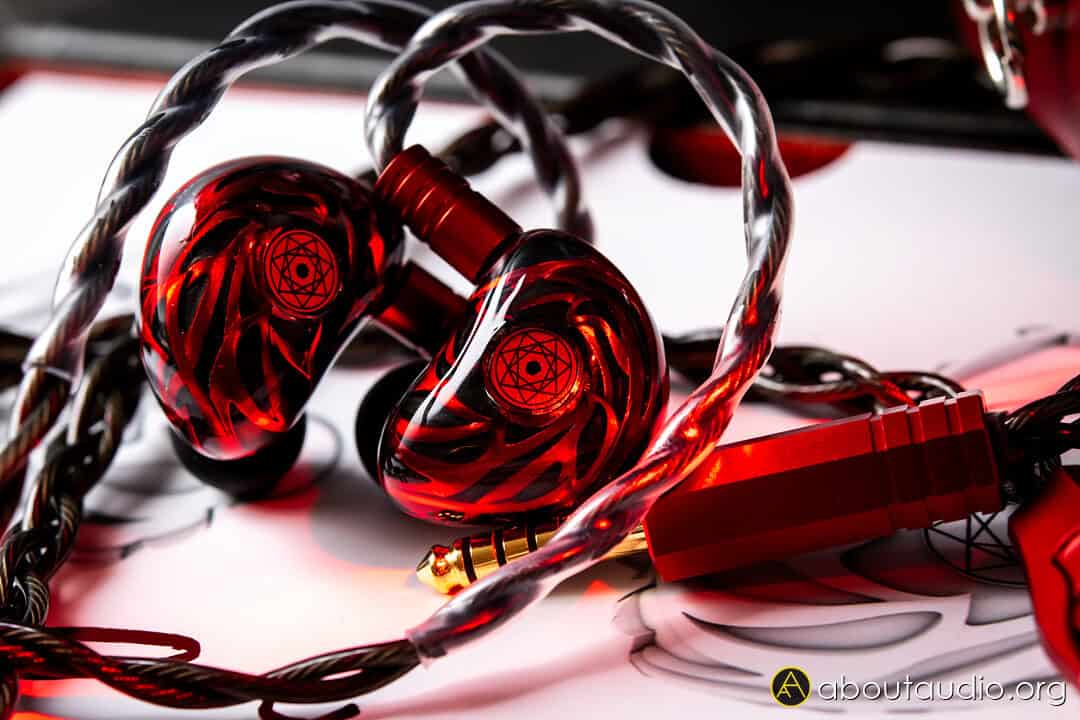
The story behind Satan is the fallen angel – a figure of strength and contradiction, as Artpical refers. Interestingly enough, that’s exactly how Satan sounds. It’s fun-tuned yet balanced, dark yet bright, deep in the bass yet clean in the vocals. These opposites should be fighting each other, yet Satan has them coexist in harmony, and that’s what stayed with me the most after all the listening.
Satan now sits at the top of Artpical’s line-up and does justice to that position. It takes the power that Lucifer showed and the craftsmanship of Michael, then pushes both further. At $1,500, it also holds its ground well against flagships that cost a lot more, as well as having its own color and signature.
Dangerously Addictive.
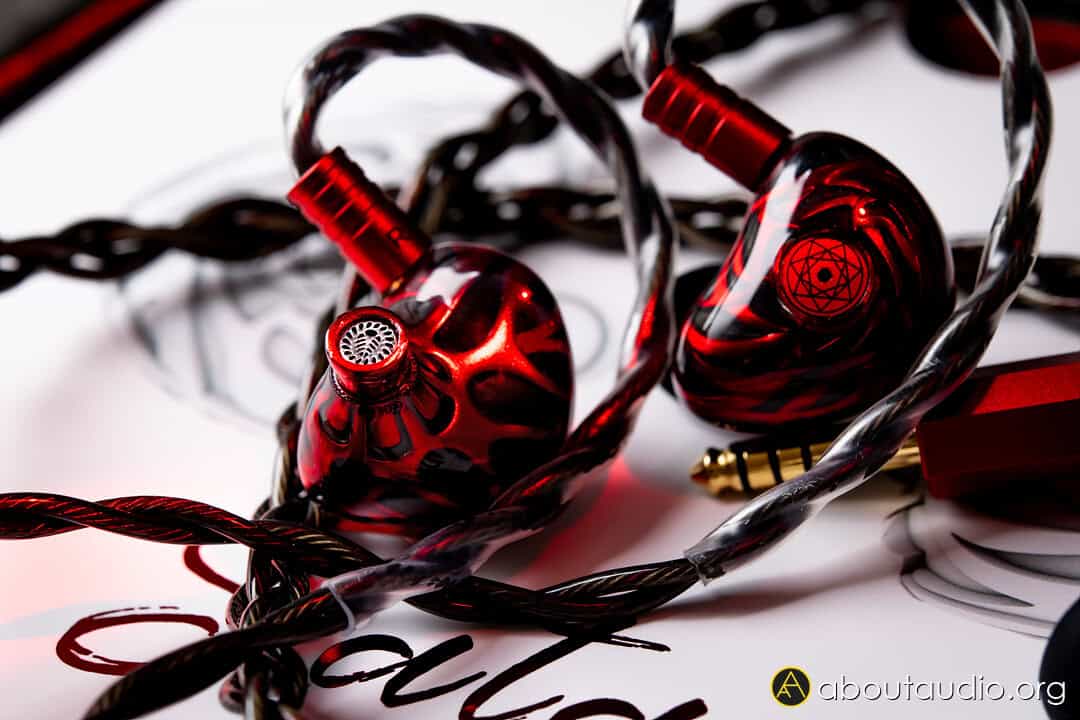
Artpical did a fine job tweaking and fusing in the basshead DNA into a balanced sound signature. It delivers the dramatic fun and aggressive bass rumbles but never gets messy or disoriented – which I’d say is the core value of Satan.
If you love deep, powerful bass but don’t want to give up clear vocals and lucid trebles, Satan is one of the most fun flagship IEMs I’d recommend to pick as your endgame. It’s not for those who need an aggressively dark IEM, nor for the exceptionally treble-sensitive. For everyone else, Satan is the devil worth making a deal with (and one that deserves far more attention than it gets today)…