

Compared to Letshuoer Ember (Review link)
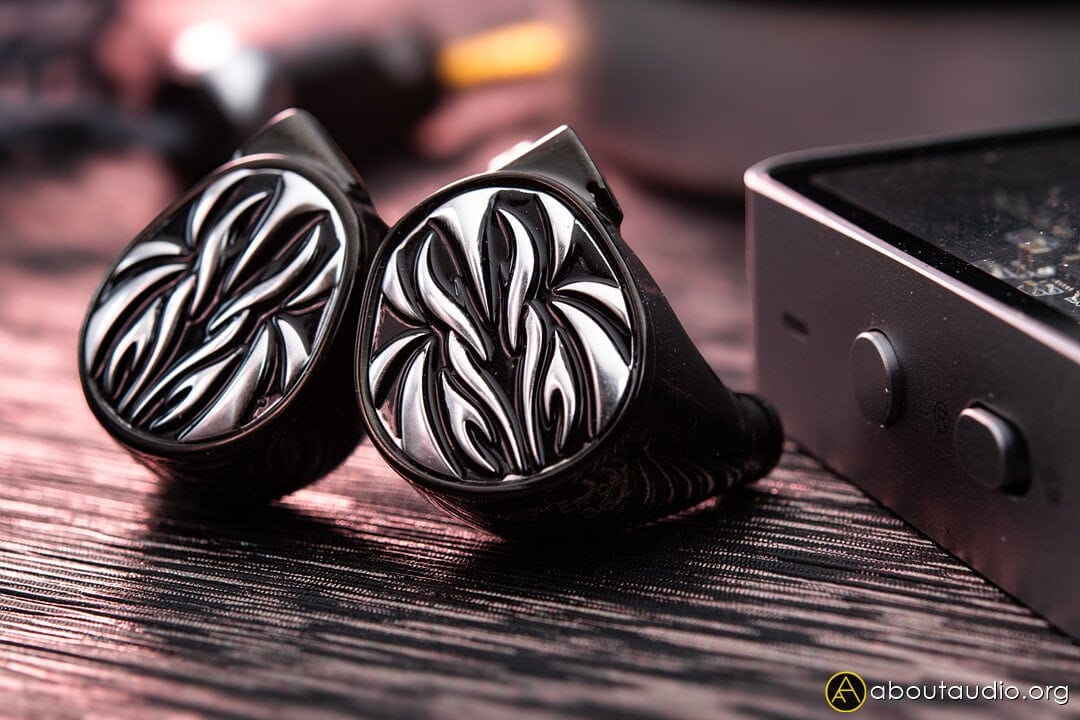
Ember is Letshuoer’s limited-edition flagship priced at $499, housing a single 14.8mm planar driver inside a titanium shell. It’s interesting to put these two side by side, as they’re close in price and both use planar drivers – just in different ways. Ember uses one large planar for the whole range, whereas Lunar Ring uses its micro-planars only for the highs. Both share an organic, full-bodied bass that’s far from the fast, clinical planar stereotype.
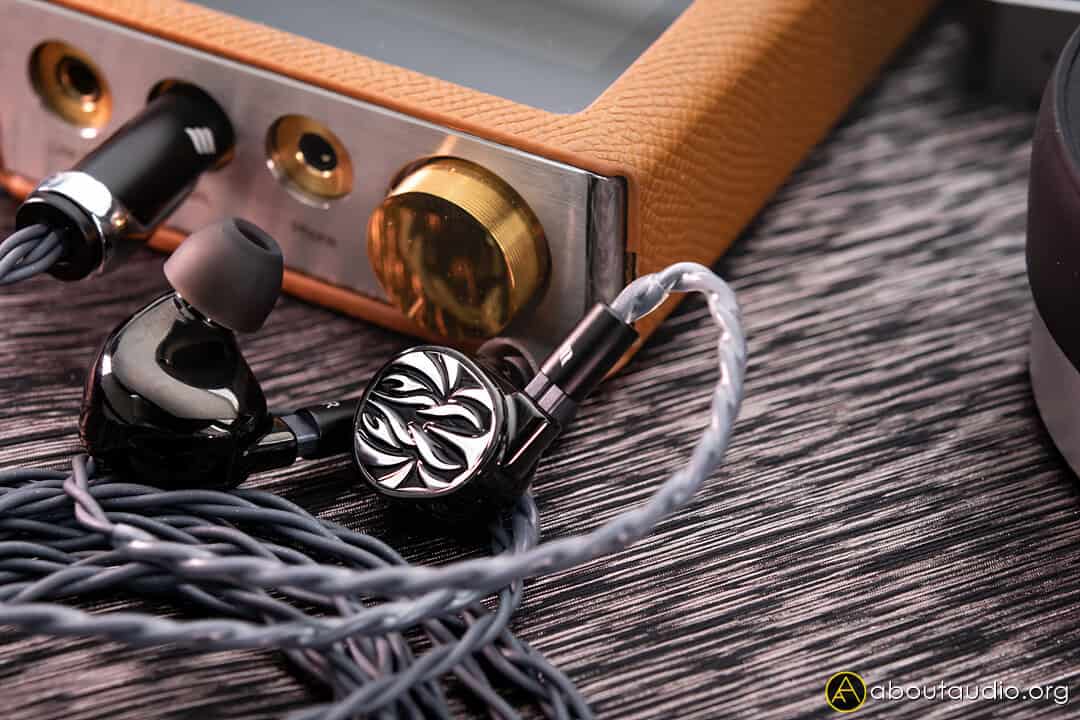
The difference is in how the bass is laid out. Ember’s bass is more rigid and more controlled, though still with a satisfying grumble and authority that pushes more weight into the ears. Lunar Ring’s sub-bass is just as thick, though it spreads out wider with more room to breathe, giving a more ambient, elastic feel than Ember’s concentrated thickness. Vocals are warmer and more intimate on Ember, while Lunar Ring keeps the vocals lush but cleaner in separation from the instruments.
The biggest gap comes from the highs. Ember goes for a dark-lush, a bit more relaxed treble that stays smooth and easy, while Lunar Ring’s highs are crisper, airier, and bring the micro details further forward. The advantage of Lunar Ring is that it sports airier, transparent highs without sounding metallic or shouty; if Ember were to extend the highs as much as Lunar Ring, it may not have been able to control them properly. If you want a warm, smoldering planar sound to sink into, Ember is the one. If you’d rather keep that full bass but want more sparkle and technicality on top, Lunar Ring is the better pick.
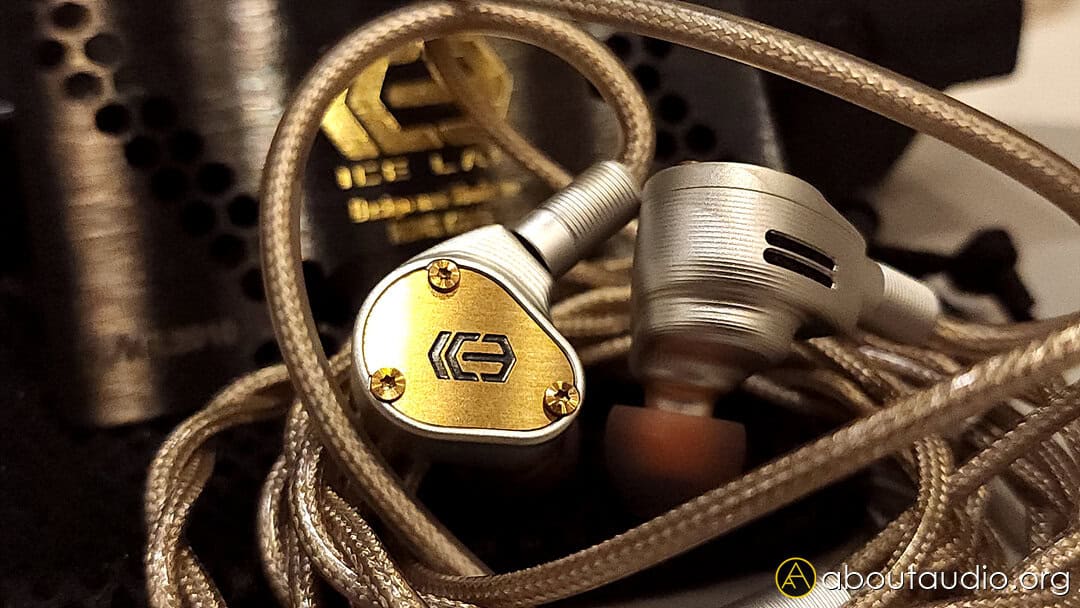
Compared to Ice Lab Lumira (Review link)
Lumira is Ice Lab’s 1DD+2MPD hybrid priced at $399, and it’s perhaps the closest opponent to Lunar Ring in concept. Both pair a dynamic driver with micro-planar tweeters, and both use venting to relieve the air pressure and open up the soundfield. You might expect these two to sound alike, but that’s not exactly the case.
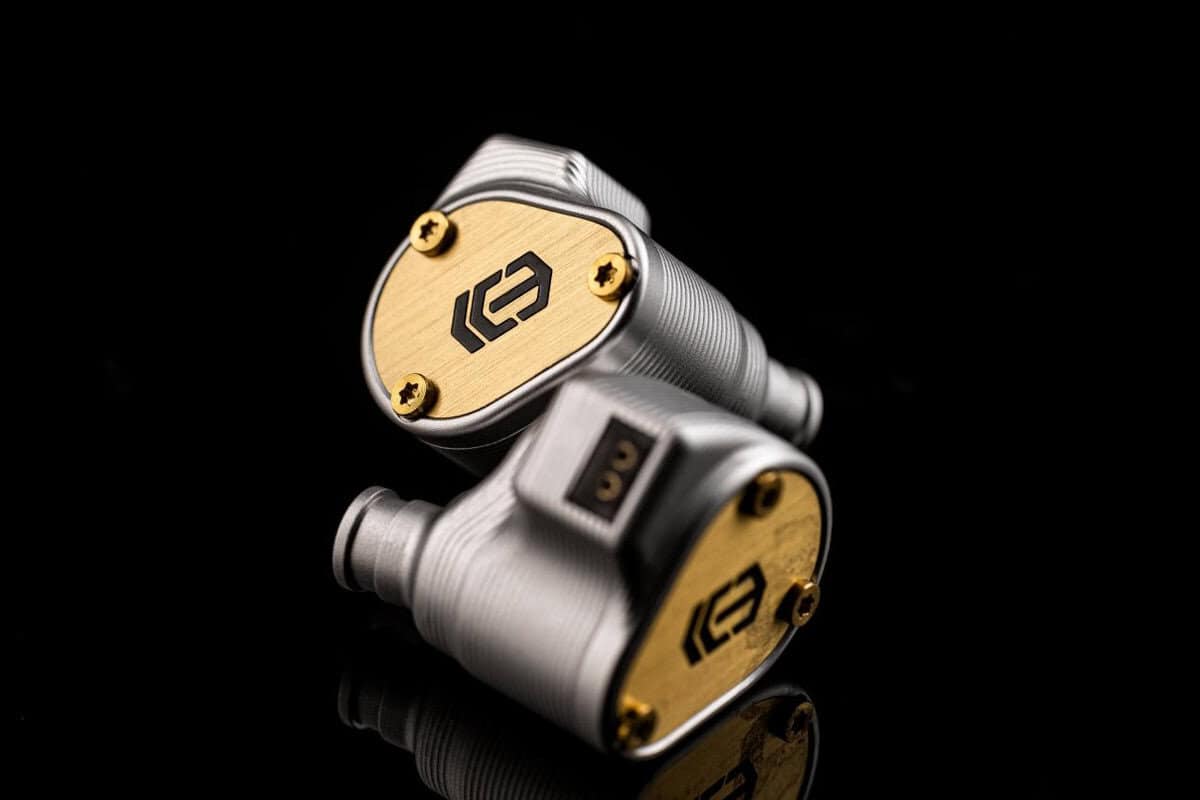
Lumira’s bass is bold and room-filling, with a dense punch and a clear line drawn between the lows and the mids. Lunar Ring’s bass is similarly large, though it carries a warmer hue and a more atmospheric, airy field around it. For vocals, Lumira’s single DD covers the full range, giving a rich, mature timbre with great body and coherency. Lunar Ring’s vocals are lush too, yet the weight sits more on the lower mids, while the upper mids sound cleaner and more transparent.
Up top, Lumira’s planar tweeters blend into the dynamic driver so naturally that the highs feel like a seamless extension of the mids. Lunar Ring’s highs are more elevated and crisper, presenting more micro details and separation. Lumira would be my choice for a coherent, natural sound at a lower price, while Lunar Ring is for those who want a livelier, more technical treble – and an IEM that’s a piece of art on its own.
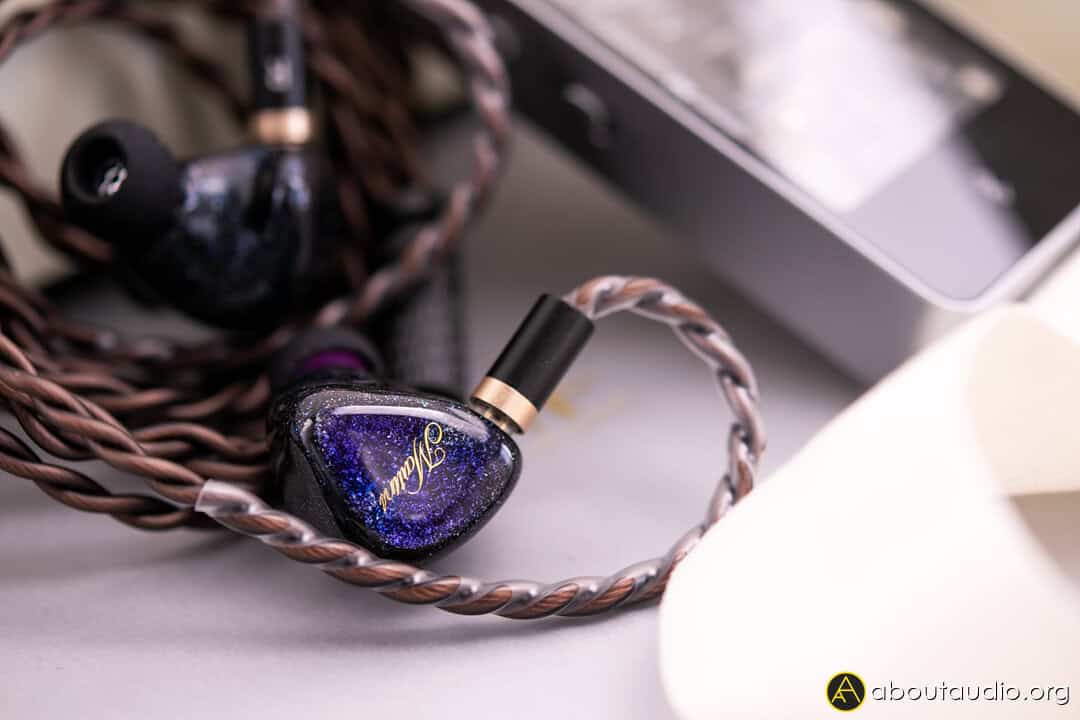
Compared to QOA Martini (Review link)
.Martini is QOA’s flagship priced at $599, a 1DD+4BA+1BCD tribrid tuned around a 3:5:2 bass-mid-treble ratio. Martini is the more reference-leaning of the two, with a precise, controlled bass that hits accurately rather than shaking the room. Lunar Ring has noticeably more bass quantity with a larger, thicker sub-bass, putting it in a more fun and dynamic direction.
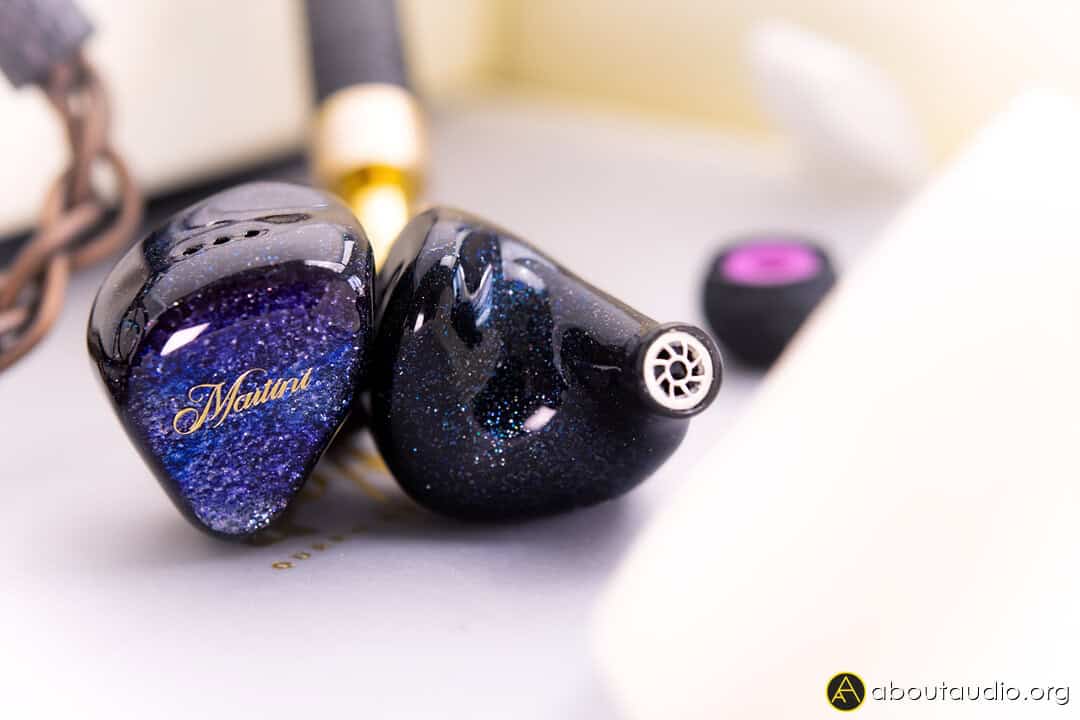
Vocals are the focal point on Martini, articulate and highly resolving, though it leans toward clarity over lushness. Lunar Ring flips this around – the vocals are lusher and fuller in body, grounded by the lower mids, while still staying clean. Both have bright, airy highs, yet Martini’s treble is more sparkly and prominent in the mix, whereas Lunar Ring brings the details gently forward without getting in your face.
As for staging, Martini draws a holographic, precisely placed image, while Lunar Ring creates a larger, more atmospheric field. Martini suits those after tonal balance and vocal precision, whereas Lunar Ring suits those who want bass richness and lush vocals. It’s also about $120 cheaper, with a much lighter cable to carry around.
Compared to Kinera Nott Phantom (Review link)
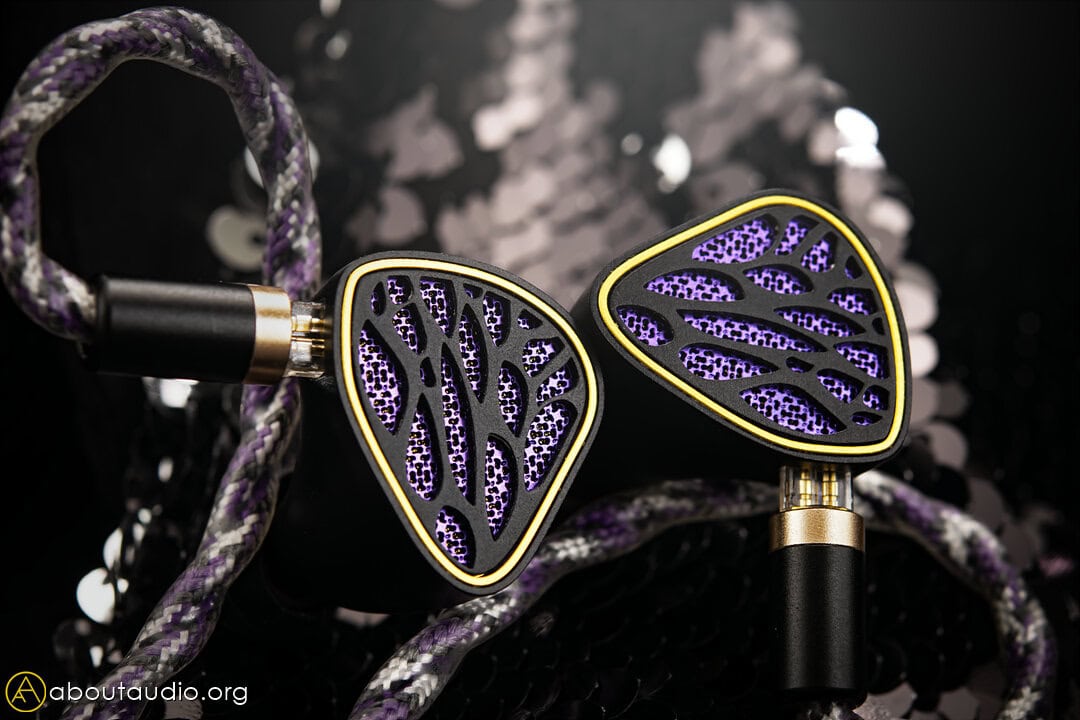
Nott Phantom is Kinera’s 1DD+4BA hybrid priced at $430, and it’s funny how both of these are themed after the night sky. I once described Nott Phantom’s mids as a bright moon on a clear night sky – now we have an actual moon to put next to it. Nott Phantom has a smooth W-shaped signature over a pitch-black background, with the vocals gently forward.
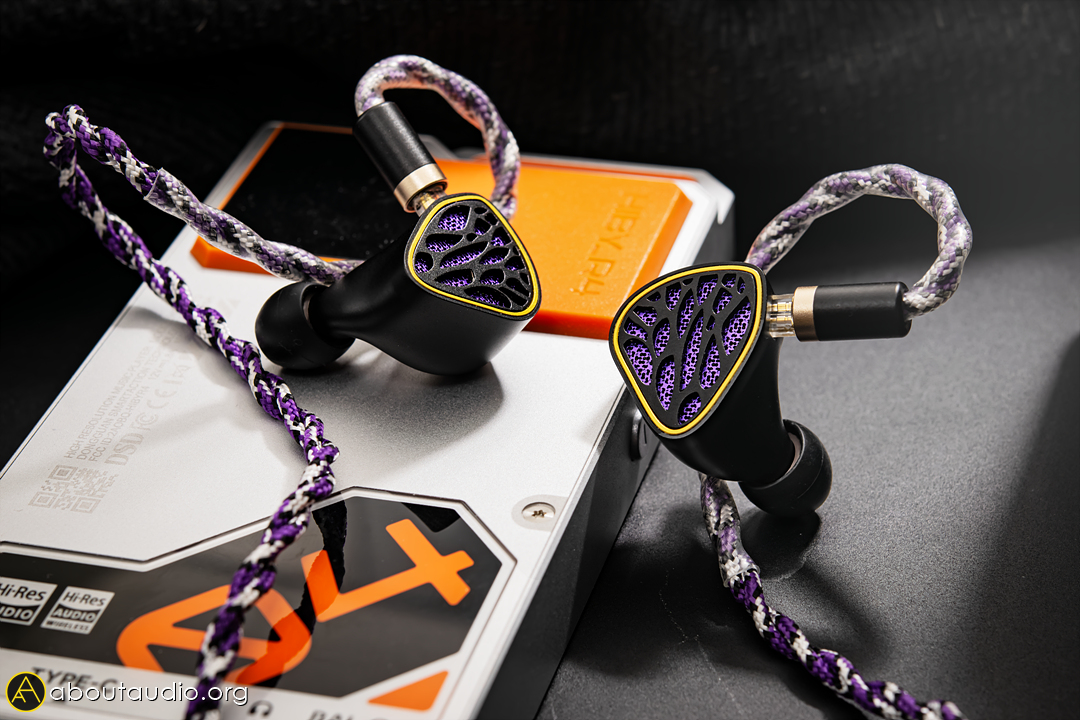
Lunar Ring has a stronger, fuller bass, while Nott Phantom keeps the sub-bass tamed for a tighter, gentler low end. Nott Phantom’s vocals are extremely smooth and atmospheric, while Lunar Ring’s vocals are lush and more firmly grounded in the lower mids. The highs are where these two differ the most. Nott Phantom keeps its highs slightly behind the mids in a supporting role, with a calm and mysterious gleam, while Lunar Ring’s highs are crisper, airier, and more resolving.
Nott Phantom is the darker, calmer night, ideal for long, fatigue-free sessions where you want to sink into the atmosphere. Lunar Ring is the moonlit night – brighter, livelier, and with more bass to enjoy.
The Art Isn’t Just Skin-Deep!
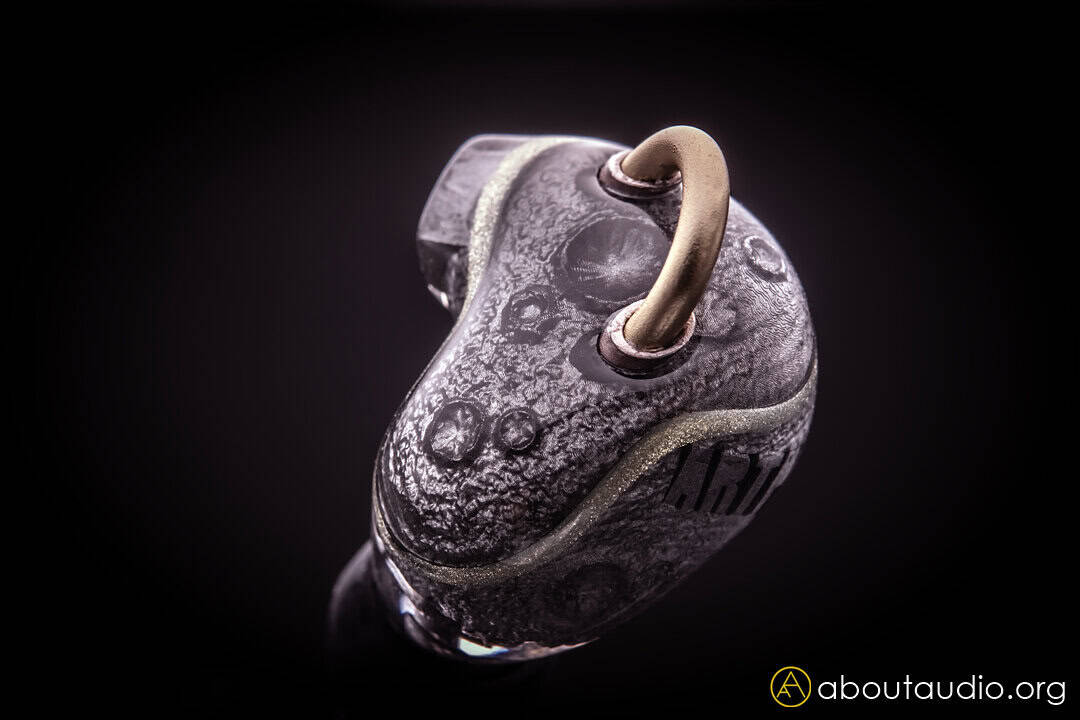
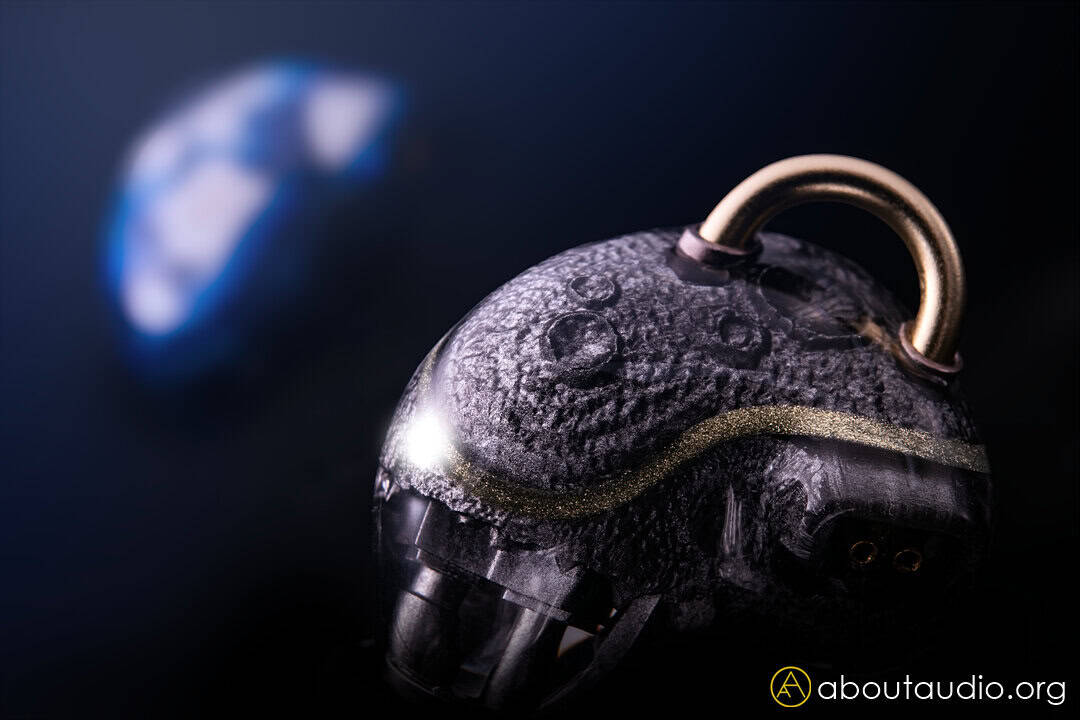
We’ve looked up at the moon for thousands of years and never got tired of it. In a way, Lunar Ring feels the same – a design you keep staring at, and a sound you keep coming back to. Artpical could’ve easily stopped at making a pretty IEM, yet ‘The Ring’ proves to be much more than a decoration, opening the bass into a large, breathable field that most bass-boosted IEMs struggle to pull off.
What stayed with me the most is how Lunar Ring balances its two ends. The full, organic bass and the lush, grounded vocals give the sound a firm footing, while the clean and airy planar highs keep things lively without any fatigue. Sitting at $430 among strong rivals like Ember, Lumira, Martini, and Nott Phantom, Lunar Ring holds its own with a nice mix of breathable bass and crisp highs that none of them quite share.
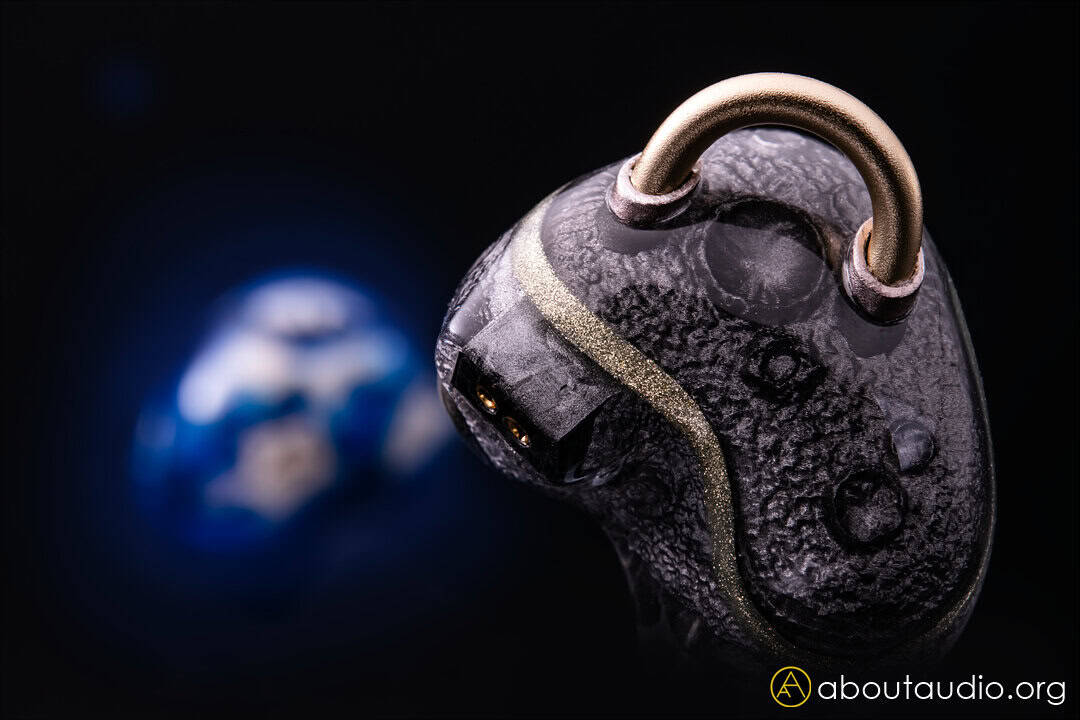
If Satan was Artpical showing off at the top, Lunar Ring brings that same artistry to a much more reachable price. If you’re after full, dynamic bass without the stuffiness, lush vocals, and resolving highs that never get hot, all wrapped in one of the most beautifully crafted shells out there? I’d confidently recommend Lunar Ring for you to choose as a budget-friendly, yet practically flagship-tier IEM…