

Compared to PMG Audio Apx SE (Review link)
Since the Apx ME sound impressions already involve detailed comparisons between ME and SE, we’ll use this opportunity to capture the general/overall differences. Apx ME thoroughly inherited the sonic characters of Apx SE, though now even so much more holographic, wider, fuller, and deeper sound. The upper mids are now more organic and smoother to listen to, maintaining the creamy vocal timbre up to the higher notes. The previous Apx series tended to have a headroom that is wide but more expansive towards the y-axis (up/down) than the x-axis (sideways). Unlike that, the Apx ME not only achieves a wider and larger sound that expands both spherically and three-dimensionally.
Compared to Oriolus Traillii (Review link)
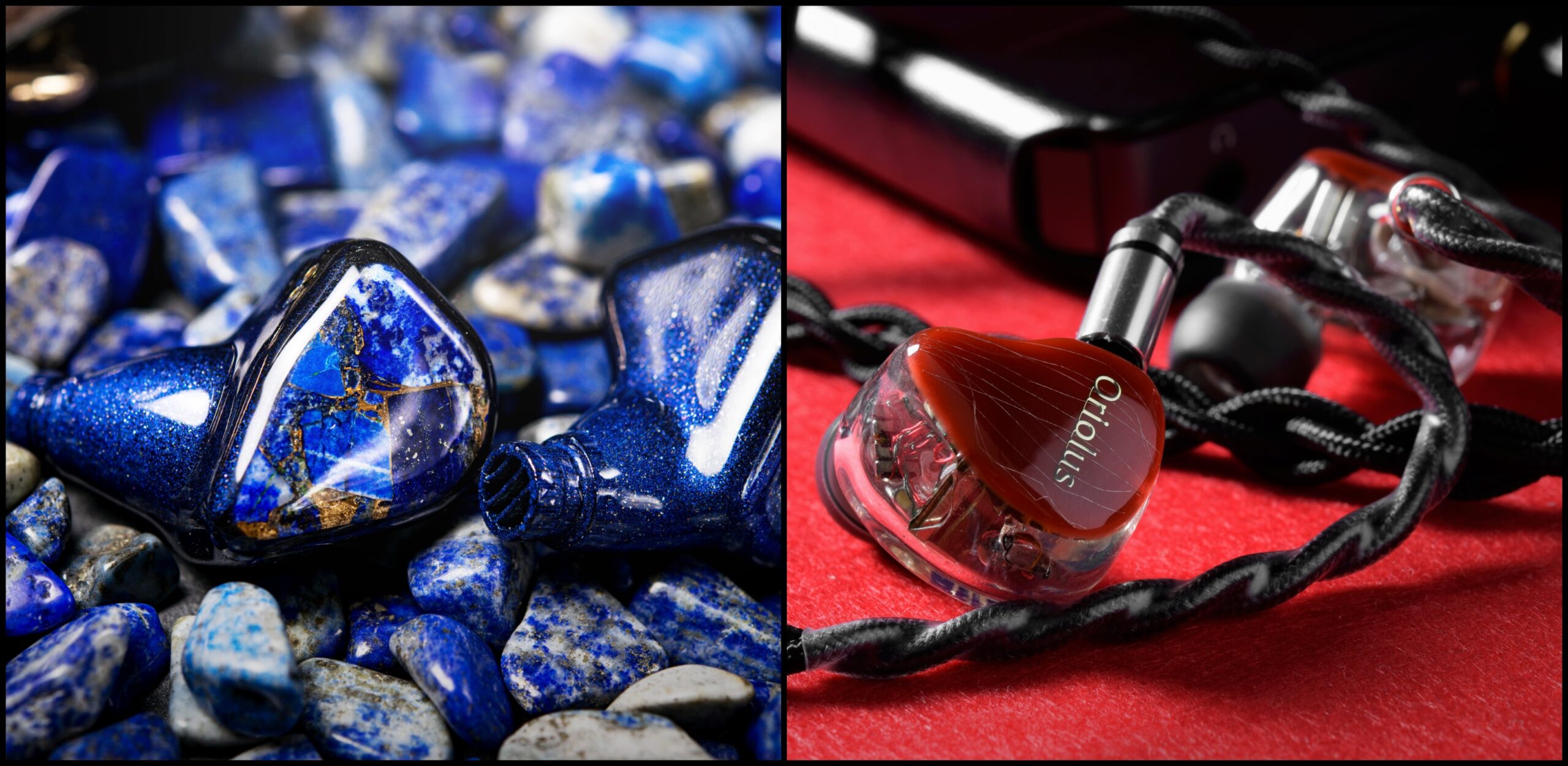
Next to compare is AKA “The Bird”, the Oriolus Traillii JP. While it may be more relevant to compare Apx ME with the Oriolus Traillii Ti, though this IEM is not acknowledged enough, I’m putting the Traillii JP on the table instead. I highly compliment Trailli JP for its immersive soundstage and still find it spectacular, though it’s no match when comparing to Apx ME. The Oriolus JP’s grand, spatial bass layering is one of this IEM’s signature elements, and Apx ME does the bass very similarly but with a lot more resolution, depth, size, and realistic vibrations.
Mids of both IEMs are quite similar in temperature and nuance, though Apx ME is a lot more tight, meaty, and powerful. The vocals expand larger, yet most importantly, the Apx ME introduces a lot more in-depth and holographic vocal room; the front-back depth perception is just incomparably wider and larger on Apx ME. The speed or agility of the mids and highs are also what Apx ME does better, more transient, clearer, and lively.
Compared to AME Mousa (Review link)
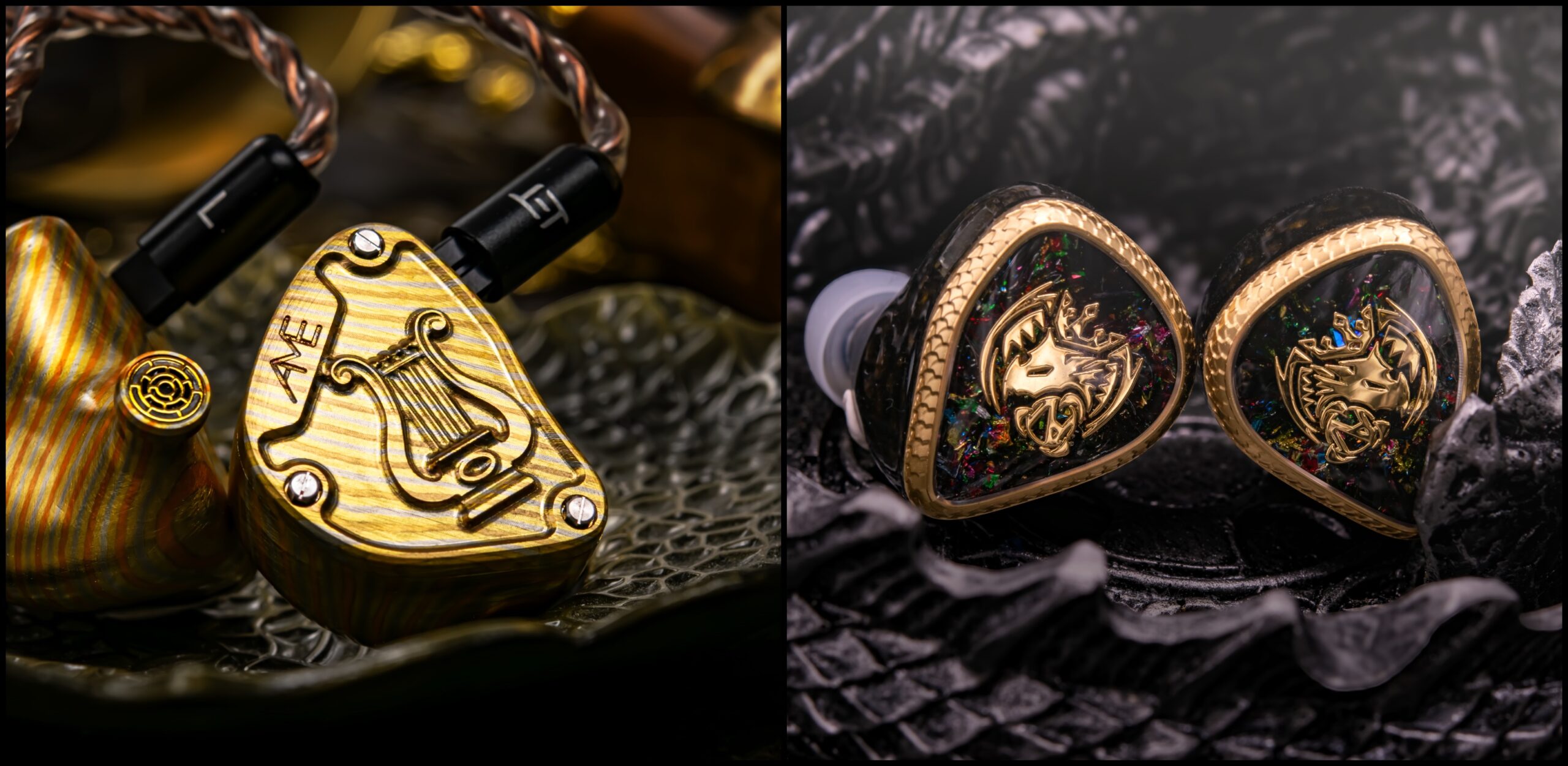
The bass scales massively and grandly with both IEMs, but their approach to achieving this “big bass” is different. Mousa likes to portray the sub-bass “fluffier” and allow more reverb to linger and expand. Mousa supercharged the soundstage with reverbs and musicality without getting messy through meticulous tunings, using sub-bass and lower mids as the largest leverage for creating the massive, immersive soundstage. This makes Mousa ideal for savoring the bass presence – and how they appear and decay. The extremely solemn, warm, pitch-black background tone is another major fun too. In its core, Mousa’s overall sound signature would be something in between Apx ME and Traillii JP.
On the other hand, Apx ME makes the sound immersive through striking front-back layering and depth perception, also paired with the VCD technology to amplify the realistic vibrations and ambiance. Mousa does a better job of creating a headroom that expands larger towards the four directions (N/S/E/W), drawing a larger circle. Apx ME draws a slightly smaller headroom, yet the constantly-mentioned depth and front-back perception are what really make Apx ME just as immersive and holographic, if not even stronger than Mousa. Alongside, Apx ME sounds more neutral, balanced, and tighter. These two IEMs go neck to neck and are very difficult to say which one is better, ultimately coming down to personal preference.
Compared to Nostalgia Audio Pendragon (Review link)
Pendragon offers a stronger/deeper sub-bass rumble, as well as vocals a lot more infused with density and color. The timbre is also warmer and darker. The sound signature of Pendragon is something in between Apx ME and Mousa, strongly highlighting the sub-bass presence but a bit more controlled than Mousa. When it comes to pouring in details, yet does so in such a fatigue-free, musical manner, Pendragon doesn’t hold back. It gives a stronger “multi-driver sensation”, which gives immense musical pleasure – I’d say it’s the musical, aura-infused ambiance.
Meanwhile, Apx ME desires the mult-driver to sound very universal and coherent, as if it were a single driver. You could say it sounds “simpler” on a negative note, but this also means Apx ME brings out a lot better clarity, transience, and realism. The bass vibrations sound more realistic with Apx ME’s, but the more resolving, ultra-bass extending bass is the Pendragon’s. The highs are calmer on Pendrago,n but their technical abilities are just about the same tier as Apx ME. Lastly, Apx ME once again does better for front-back perception, whereas Pendragon achieves wider sideways.
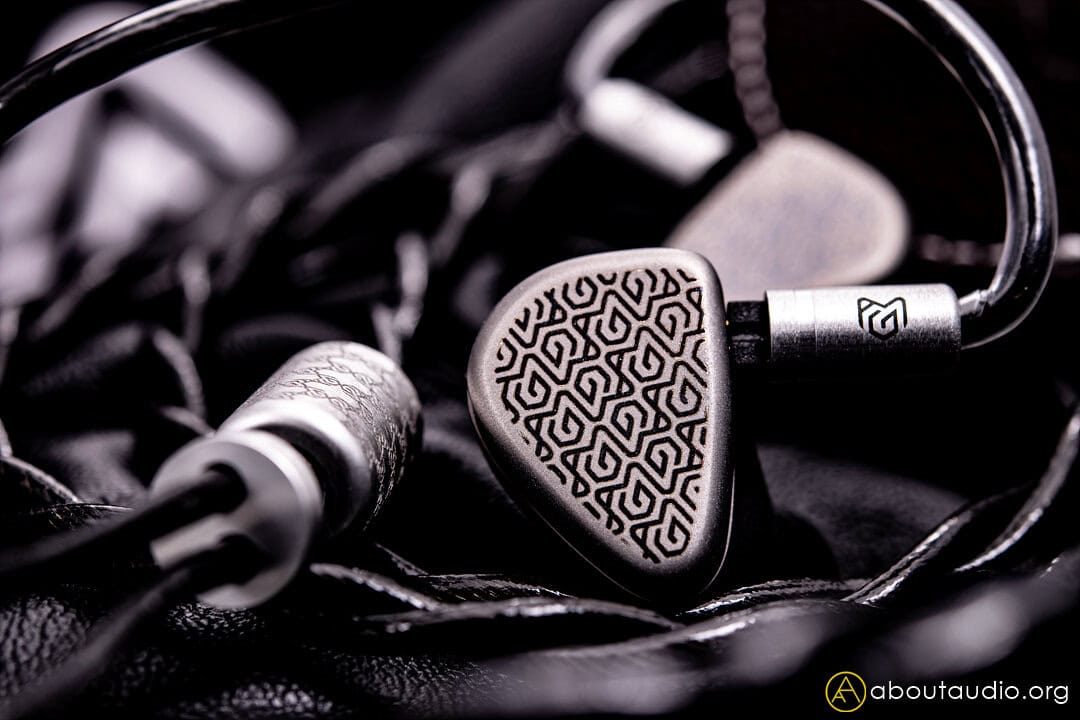
The Massive Leap
While Apx ME has a sound that is ready to drop jaws of the dullest ears, those with the “golden ears” that are capable of savoring the fine details of your favorite music will find this IEM impressive the more you listen to. With the feedback from the previous iterations being addressed, PMG Audio managed to not just make an incremental upgrade over the SE but a genuine leap forward. The titanium shell, the addition of the VCD driver, and the 2nd-gen upgrades of PMG’s proprietary technologies all come together to create a sound that is larger, deeper, and more holographic than the past Apx IEMs. The bass is immersive yet controlled, the vocals are lush and organic, and the trebles are silky smooth without losing detail, easily offering one of the most realistic, 3D-sounding earphones to be made.
What makes Apx ME remarkable is its ability to balance technical mastery with musicality. The Apx ME creates an atmosphere, a sense of presence that feels incredibly alive and immersive. If the Apx AE (or Apx OG) was a bold statement, and the SE was a refined evolution, the Apx ME is the culmination that made a massive leap that secures PMG Audio’s presence among the very best summit-fi IEMs money could currently buy. If you’re seeking to slim down your multi-IEM collection into one, single endgame IEM, you would know Apx ME is a must to consider – and I’d end this review saying that PMG Apx ME, in fact, is an absolute must to consider when looking for a summit-fi IEM.