


Compared to DITA Audio Perpetua (Review link)
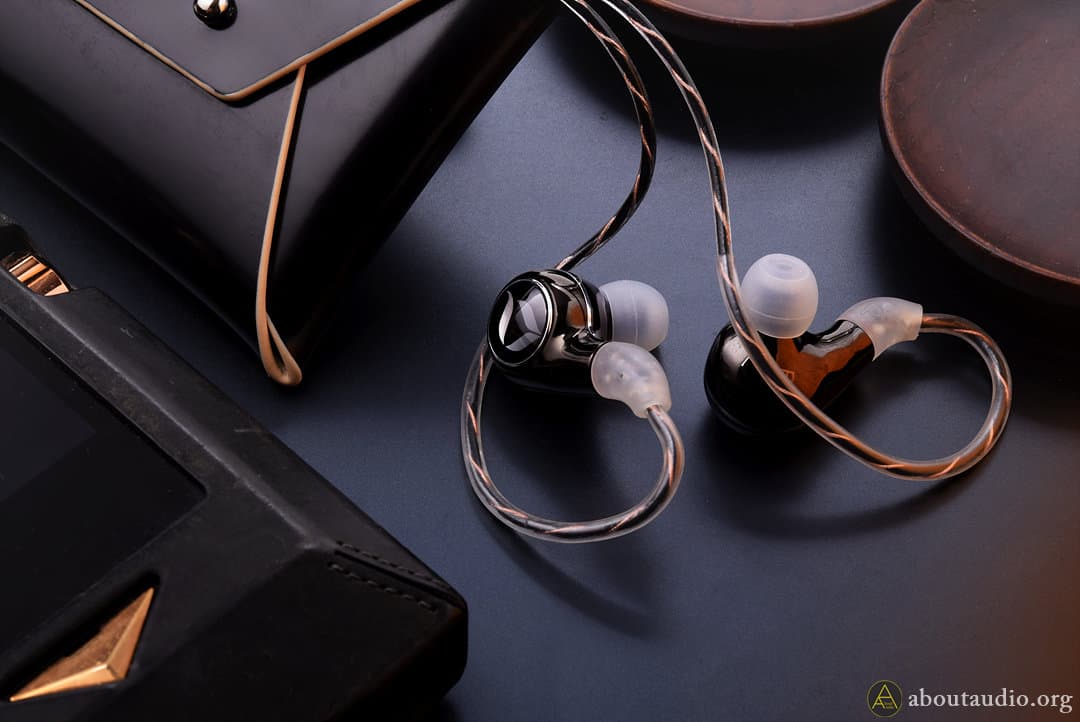
Perpetua is one of the more distinct personalities in the 1DD space – warm, vacuum tube-like in character, with a dense and lush low end that sets its center of mass firmly in the lower frequencies. Its mids are creamy, organically rich, and dim in brightness, with a fullness that prioritizes emotional immersion over analytical clarity.
Diamond and Perpetua sit at clearly different ends of the 1DD spectrum. Perpetua’s bass flows softly and expansively, with long warm reverbs and a rounded elastic character. Diamond’s bass is more assertive, denser in weight, and more tactile in its punchiness – it hits with more physical presence and keeps its shape more tightly.
Perpetua’s mids are warmer, thicker in body, and more emotionally colored – that vacuum-like density gives vocals a richness that Diamond takes a different path from. Diamond’s mids are more layered in texture detail, more transparent, and more energetically neutral-bright in tone. For treble, Perpetua’s highs are modest and supportive, not particularly prominent. Diamond’s highs are livelier and more present. Perpetua is for those who want to feel the emotional depth of music; Diamond is for those who want to hear through it with clarity and precision.
Compared to Final Audio Labs A8000 (Review link)
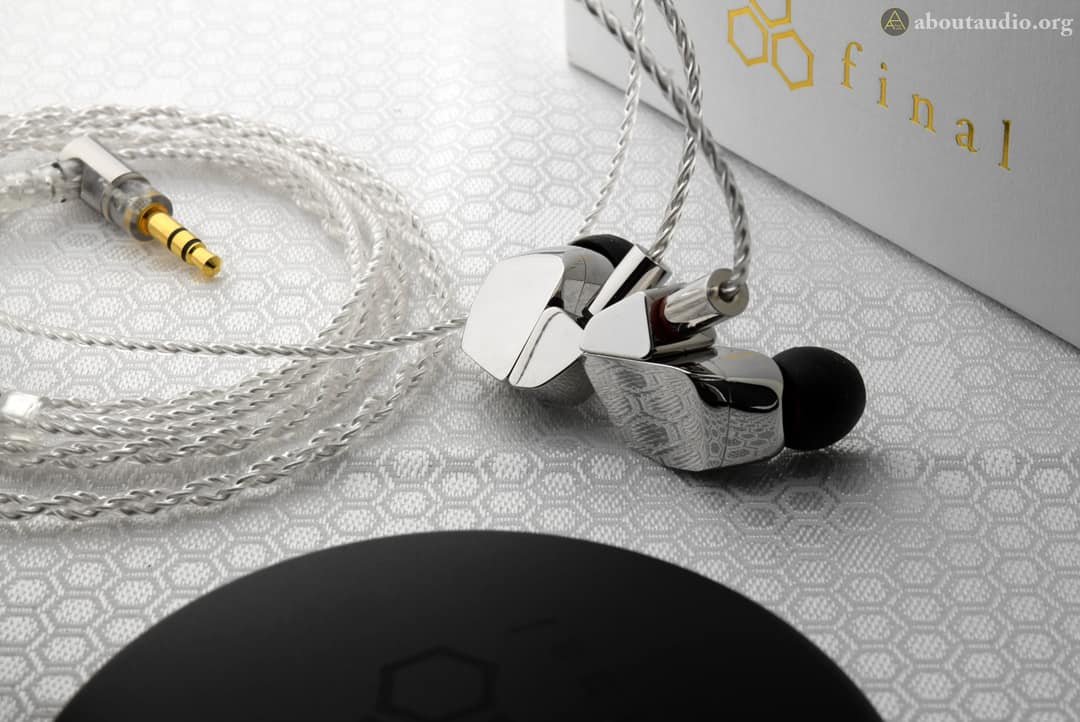
A8000’s beryllium-driven crispiness and Diamond’s True Diamond-powered precision are a natural comparison – two single DD IEMs that both pursue clarity and transparency, each with a very distinct approach. A8000 is built around that unmistakable crispiness and breezy, airy upper character. Diamond is more full-bodied and organically weighted in comparison.
Bass-wise, A8000’s lows are tight, snappy, and deep in color with firm transients and a clean, acute edge. Diamond’s bass is fuller and more tactile – the weight and density that the titanium chassis adds give the low end a heavier, more solemn character that A8000’s bass doesn’t carry. In the mids, A8000 goes full force on clarity with that cool, airy breeze throughout the range – the crispiness is its defining quality and consistent all the way through. Diamond’s mids are smoother and more organically neutral-warm in the lower registers, gaining crispness in the upper mids but staying calmer overall than A8000’s constant drive toward transparent exposure.
Treble-wise, A8000 is brighter and sharper with a more electrically vivid crispiness at its peak – it lives closer to the fatigue line than Diamond, though it famously doesn’t cross it. Diamond’s highs are similarly lively but with better-controlled brightness and a more measured quality. Staging-wise, A8000 emphasizes height and vertical imaging; Diamond is more laterally holographic and evenly spatial.
Compared to Faith Audio Labs E1000 (Review link)
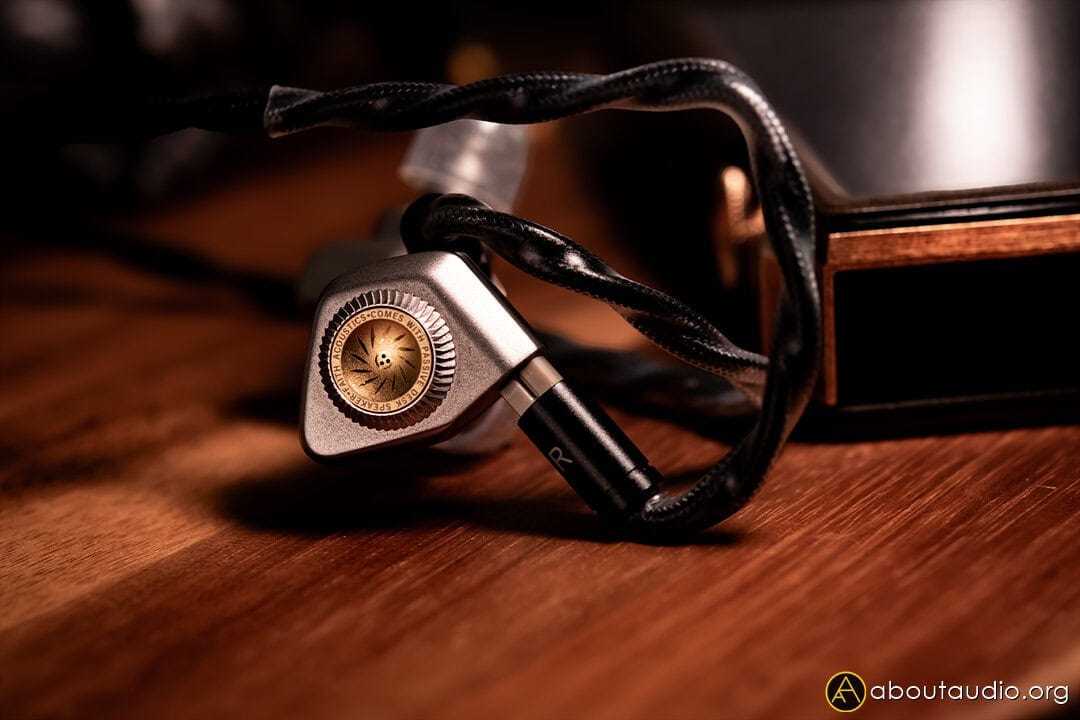
Recently covered in our review, the Faith Audio Labs E1000 is a reference-neutral, analytically aggressive 1DD IEM with a tight and agile titanium-sputtered diaphragm that punches at EST-level treble technicality. Comparing Diamond with E1000 is one of the more interesting 1DD matchups available right now, especially given that both use titanium-adjacent material engineering. Bass is the sharpest contrast. Diamond’s low end is significantly more prominent, fuller in body, and more physically present. E1000’s bass is tighter, flatter in quantity, and sits closer to reference – it focuses more on tightened vibrations than sub-bass presence. If bass character is a priority for you, Diamond delivers much more of it.
In the mids, E1000’s vocals are packed in resolution density and high in transparency – lean in body but incredibly agile and analytically penetrating. Diamond’s mids are smoother, more organically weighted, and more comfort-oriented – the charming husky tone and neutral-warm character make for a more relaxed and accessible vocal experience. Both resolve well, just in different ways. For treble, E1000’s 80+ layer titanium-sputtered diaphragm operates at a level of technical finesse that puts it in EST territory – it’s simply more refined. Diamond’s True Diamond highs are lively, clean, and precise, though they sit in a more conventional TOTL DD character when placed next to E1000. E1000 is the more reference and technically demanding IEM; Diamond is the more musical and balanced one.
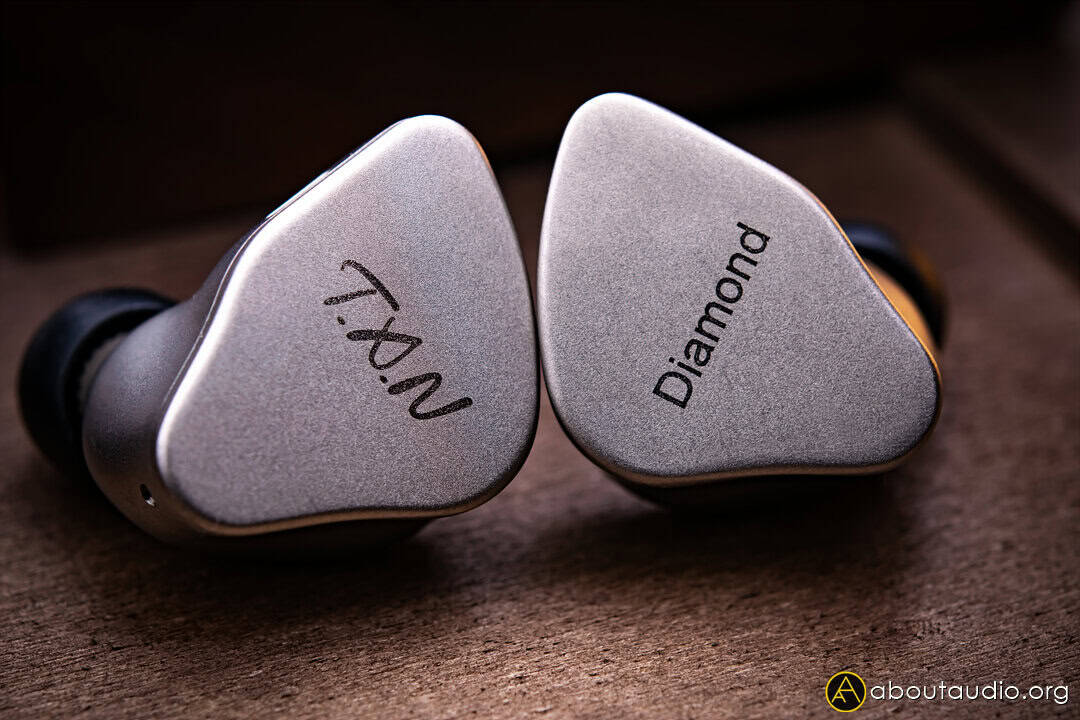
True Diamond, True Refinement
While there were many new brands and products that I’ve encountered over the past years, there are still products that stand out for their exceptional quality that could potentially stir up the industry. TXN Audio Diamond has an outstanding price-to-performance ratio that easily punches far above its price, easily being able to compete with those that are categorized as the summit-fi. I’m absolutely impressed with Diamond’s tuning quality and the unique charms that differ from other 1DD and hybrid flagships.
If you’re into single dynamic drivers (1DD), then you must try the Diamond without a doubt. I say this only rarely, though if you give it a listen, then I’m certain you’ll get what I mean. TXN Diamond not only has strong potential to convince IEM lovers regardless of budget or preferences, as its sound and charms are just something beyond specs and price. The name and the driver are categorized as diamonds, yet it turns out the real “gem” is the sound itself!