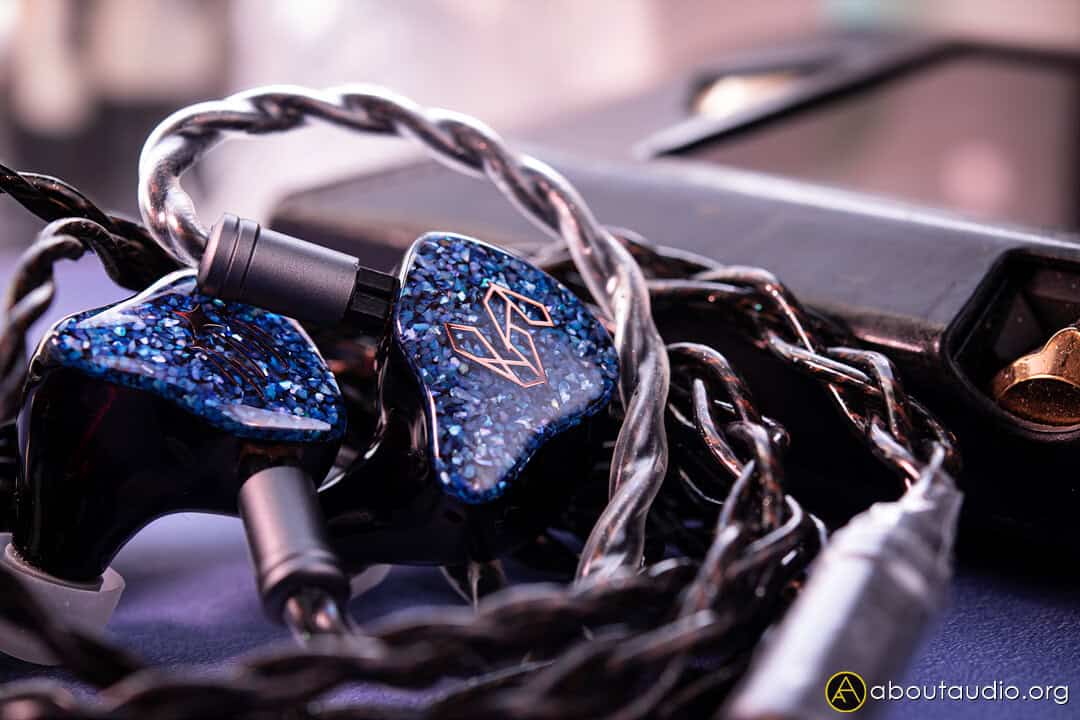


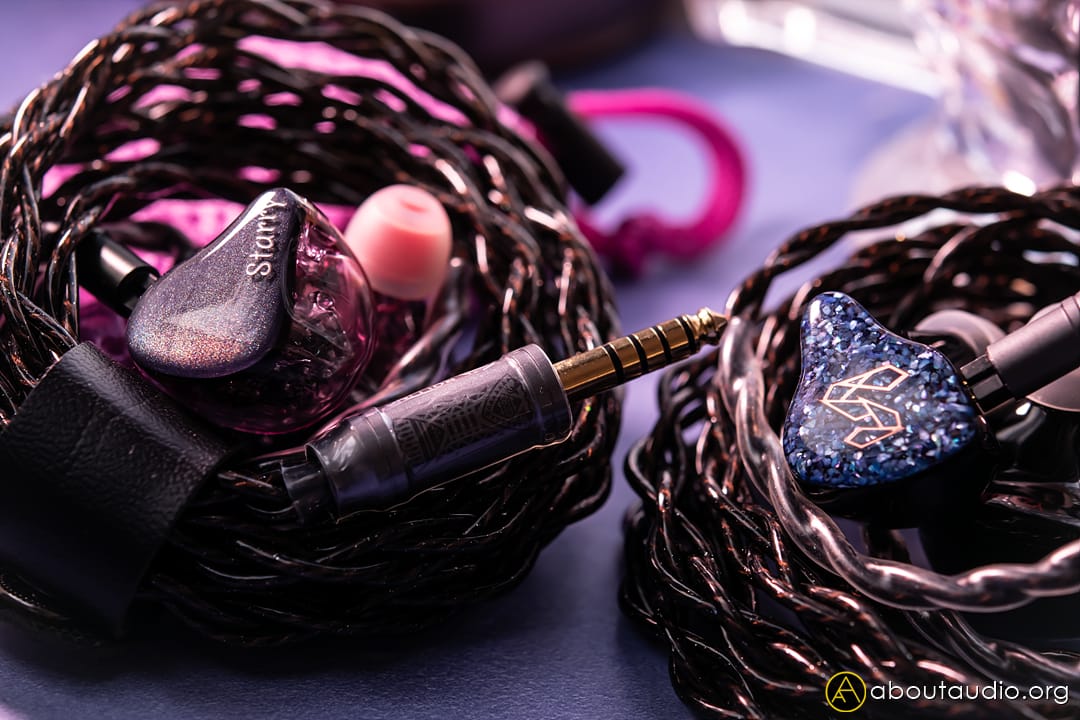
Compared to Starry Audio Syzygy (Review coming soon!)
Let’s compare Yozora with its twin-flagship IEM, the Syzygy. Both Syzygy and Yozora share the same house identity, but they approach that identity from different angles. Syzygy is the more intimate, mid‑centric tuning of the two, while Yozora aims for a grander, more dynamic presentation. Listening to them side by side makes their roles within the lineup very clear.
Syzygy’s bass is clean, tight, and tastefully elevated, but it doesn’t match the physical scale of Yozora. Syzygy focuses on control and definition, the kind of bass that outlines the rhythm with precision rather than sheer force. Yozora, on the other hand, delivers a noticeably larger and more atmospheric low end. The dual‑DD setup gives it a deeper rumble and a more elastic punch, making Yozora feel more “charged” and energetic. If Syzygy’s bass is about balance and cleanliness, Yozora’s is about immersion and impact.
Vocals are where Syzygy shines. It presents vocals with a slightly forward, emotionally engaging tone. The midrange is smooth, refined, and very easy to listen to for long sessions. Yozora’s vocals are clearer and more neutral‑bright, with a bit more bite on the upper mids. Syzygy feels warmer and more intimate, while Yozora feels more open and transparent. If you prefer a vocal‑focused signature with a gentle warmth, Syzygy has the edge. If you want clarity and a more spacious midrange, Yozora steps ahead.
Treble differs in character as well. Syzygy’s highs are smooth and rounded, leaning toward a relaxed presentation that avoids sharpness. It’s a treble that supports the music rather than drawing attention to itself. Yozora’s treble is more extended and airy, with better separation and a more noticeable sense of movement. It’s not brighter, but it has more presence and refinement. Those who enjoy a more laid‑back top end may prefer Syzygy, while those who want more air and detail will gravitate toward Yozora.
Soundstage is another area where Yozora takes a clear lead. Syzygy has a tidy, well‑organized stage with good separation, but it stays within the boundaries of a typical high‑end IEM. Yozora expands further outward and especially deeper, creating a more three‑dimensional environment. The layering feels more spacious and “headphone‑like,” whereas Syzygy keeps things closer and more intimate.
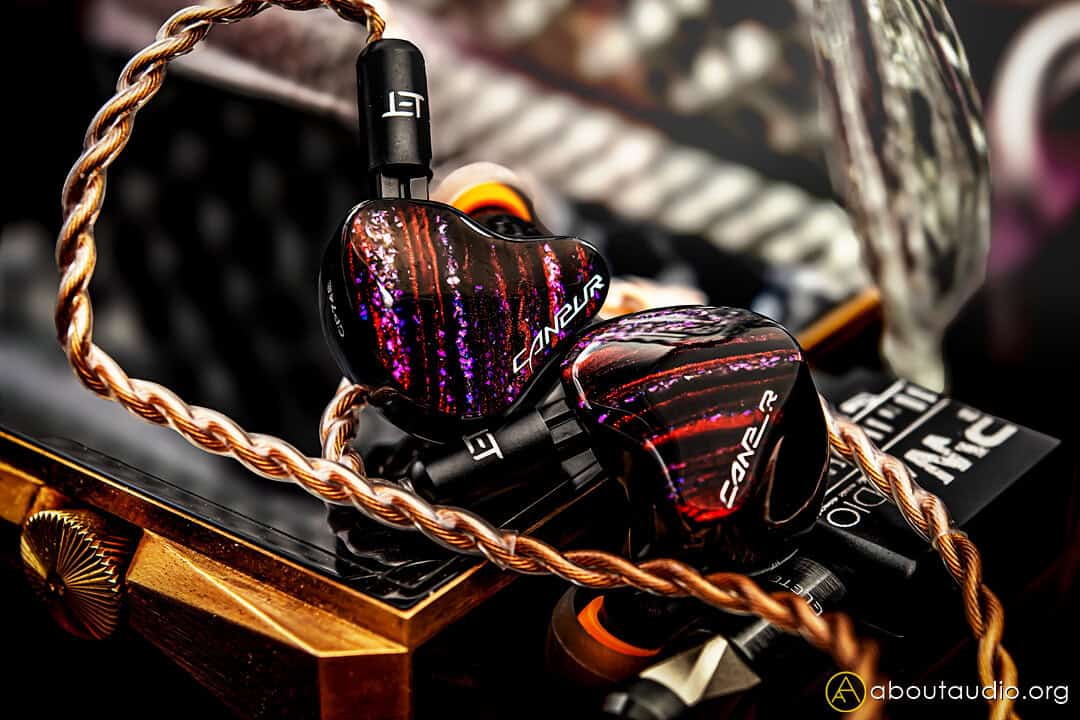
Compared to Canpur CP74E (Review link)
Another similarly-priced IEM worth comparing with Yozora is Canpur CP74E – one of my long‑time references in this price range, and it remains a strong competitor because of its clean, highly technical presentation. CP74E takes a more neutral‑bright, reference‑oriented approach. Its bass is tight and disciplined, but it doesn’t carry the same physicality or weight as Yozora’s. Yozora’s dual‑DD setup gives the low end a larger sense of scale – deeper rumble, more elasticity, and a livelier punch. CP74E focuses more on speed and cleanliness, while Yozora focuses on musical impact and dynamic energy. If you enjoy bass that feels “charged” and atmospheric, Yozora has the upper hand.
Vocals show a similar contrast. CP74E presents vocals with a leaner, more analytical tone. It’s very clean and articulate, but slightly drier in comparison. Yozora’s mids are fuller and more organic, with a smoother body that blends better with its powerful bass. CP74E isolates details with precision, whereas Yozora blends technicality with musical warmth. Neither is objectively better — it depends on whether you prefer a studio‑monitor type of midrange (CP74E) or a more natural, expressive vocal tone (Yozora).
Treble is where CP74E pulls ahead in raw sharpness and micro‑detail. It has a brighter upper‑end tilt, giving it a more immediate sense of resolution. Yozora’s treble is smoother and more diffused, focusing on refinement rather than edge. CP74E will sound more revealing on first listen, but Yozora’s treble is easier to enjoy over long sessions and has a more natural decay.
Soundstage differs as well. CP74E has a clean, well‑defined stage with excellent separation, but it stays within the typical “high‑end IEM” boundaries. Yozora expands further outward and especially deeper, creating a more immersive, headphone‑like environment. The layering feels more three‑dimensional on Yozora, while CP74E prioritizes positional accuracy and separation.
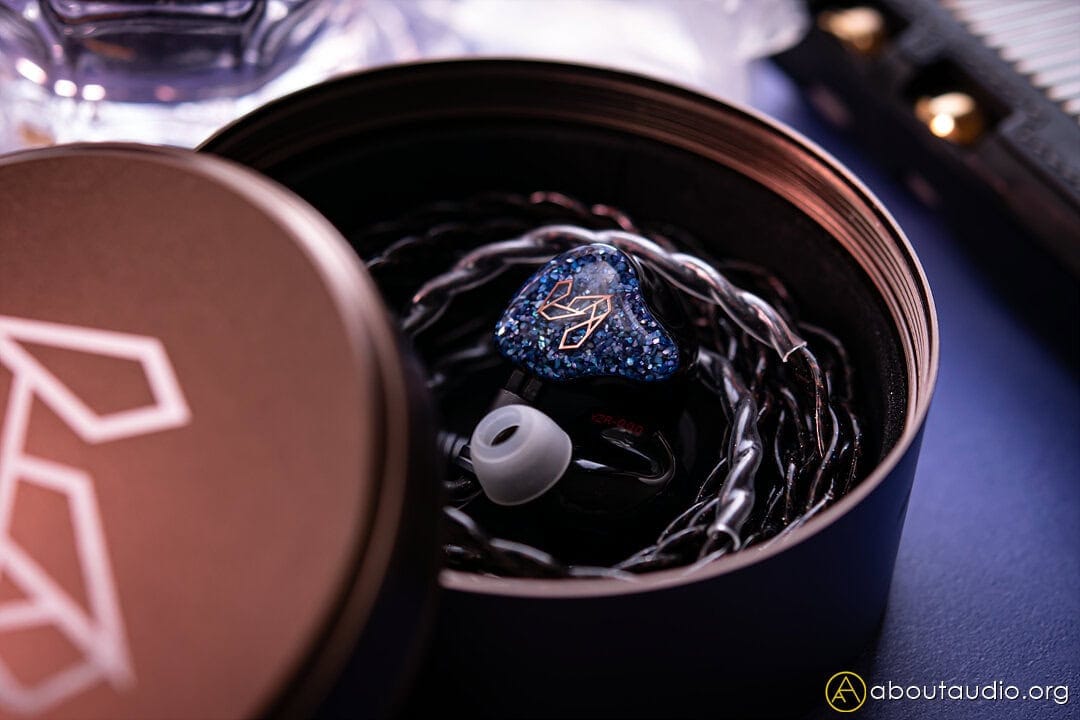
Verdicts
Yozora is an absolute banger for those who enjoy bass that grooves with real liveliness. It hits with authority yet stays controlled, giving the low end a sense of movement and weight that’s hard to come by even among similarly priced flagships.
What’s particularly impressive with Yozora is how it manages to feel like both a headphone and an IEM at the same time. The bass is large, roomy, and comforting in the way a warm‑sounding headphone can be, while the mids and highs carry the clarity, precision, and micro‑detail that you’d expect from a well‑executed in‑ear monitor. It’s a blend that doesn’t feel forced — the two sides complement each other naturally.
If you’re searching for an endgame hybrid that captures the physicality of dynamic drivers and the crisp articulation of balanced armatures, Yozora is absolutely worth a listen. Give yourself a proper session with Yozora, and you’ll soon find yourself nodding along to the rhythm even before you realize it.