


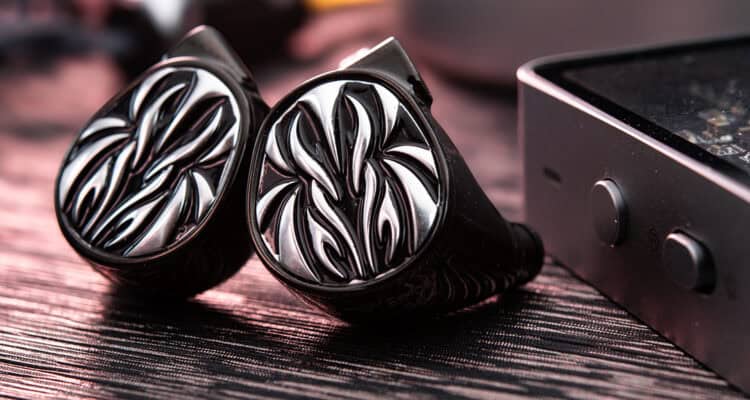
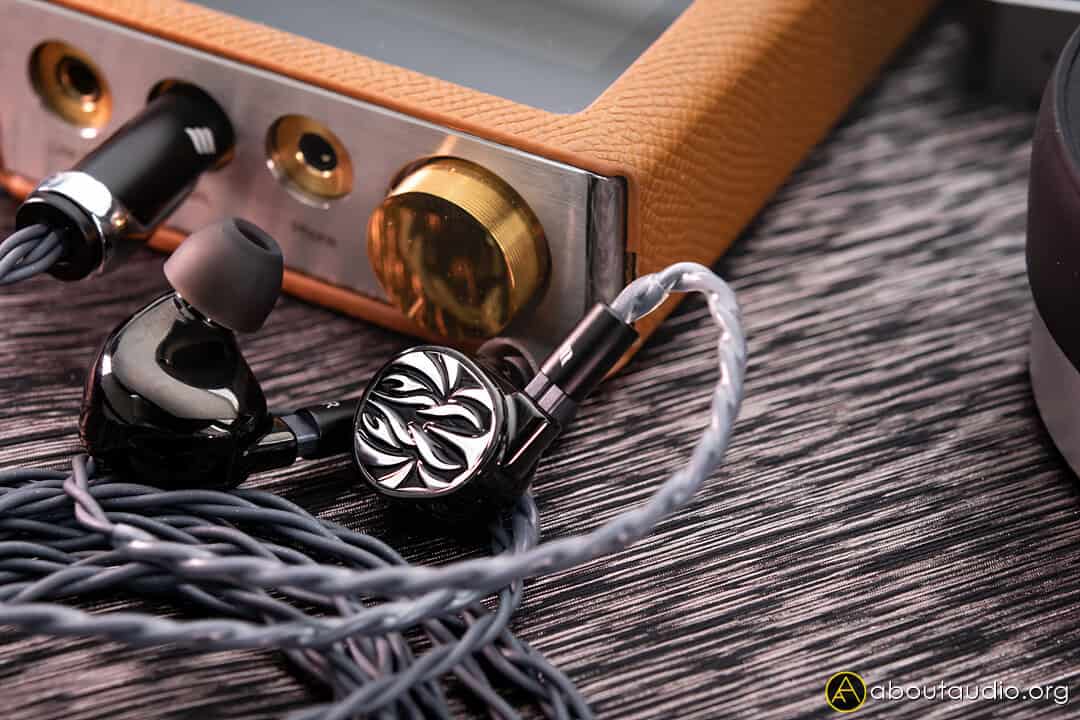
Sound Impressions: Lows
The low end is the star of the show for this IEM. Hitting with a level of authority and satisfying grumble, the bass dives deep and clean into the ultra lows. The pleasant, well-leveled, expansive bass is nicely layered with depth and separation. The bass quantity is sufficient to please sub-bassheads, being stronger than those that are slightly v-shaped but stops right before becoming a bombastic bass machine. It provides a thick, velvety foundation that imbues the entire presentation with a sense of grounded realism and power.
The bass is characterized by its remarkable texture and note weight, moving away from the typical fast and clinical planar response in favor of something far more organic and visceral. Despite its significant presence, the bass remains exceptionally well-controlled, avoiding any bleed into the lower mids while maintaining a rhythmic punch that feels both satisfying and technically proficient.
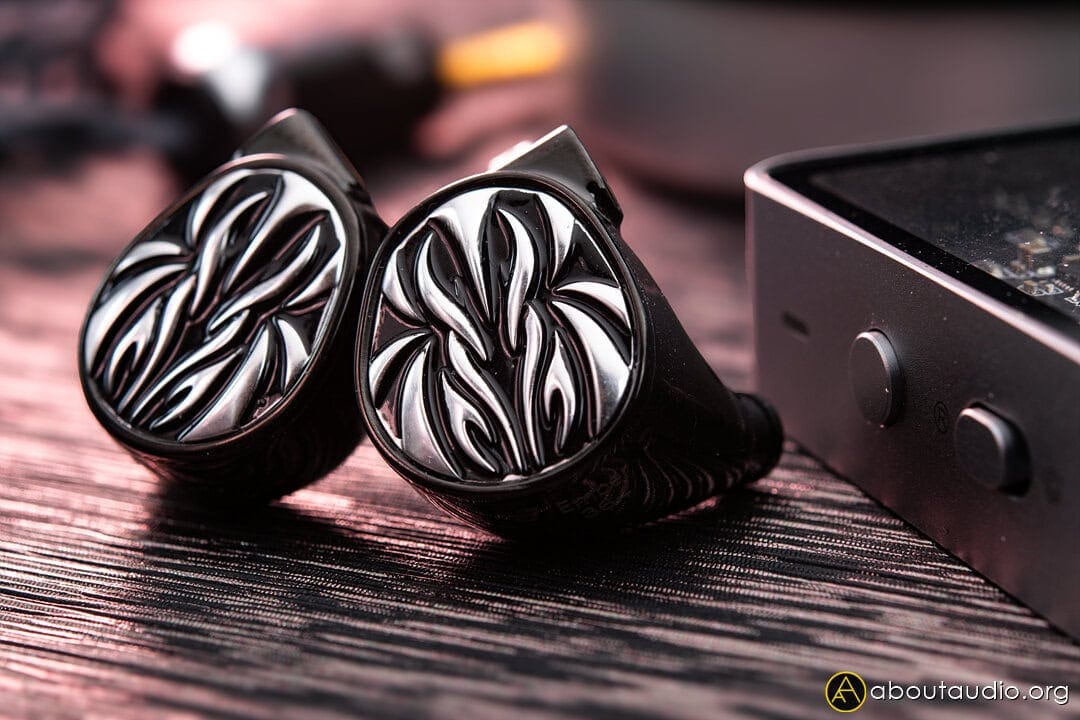
Sound Impressions: Mids / Timbre
The midrange is equally impressive in control and timbre. In our review of Campfire Audio Grand Luna, we’ve gone in-depth, talking about the “planar dilemma”, or the innate pros and cons of planar drivers. To sum it up in a single sentence, it’s that planar drivers are very prone to sounding shouty or shrill, especially for the mids and highs. And naturally, such risks are found more evidently from budget planar IEMs. Ember’s vocals carry a natural warmth and substantial note weight that makes both male and female vocals feel intimate and lifelike without being overshadowed by the sub-bass. A nice holographic depth to the vocal presentation, allowing mids to stand out clearly within the stage while remaining integrated into the overall lushness of the signature. Emotional, musical engagement, and long-term listening comfort.
Upper mids have a hint of extra airiness and transparency, though the overall vocals don’t get harsh or shouty. Lower mids have a warm and dark tone, and the gradual and slight elevation in brightness vents the vocals to introduce some air into the atmosphere. Those who are mercilessly sensitive to planar brightness may still find a glimpse of brightness, though, unless that’s the case as well as you mostly listen to treble-heavy genres (such as heavy metal), Ember’s mids shall only be pleasant to listen to. Mids are neutral-thick, being a tad slimmer than the bass but not lacking in body either.
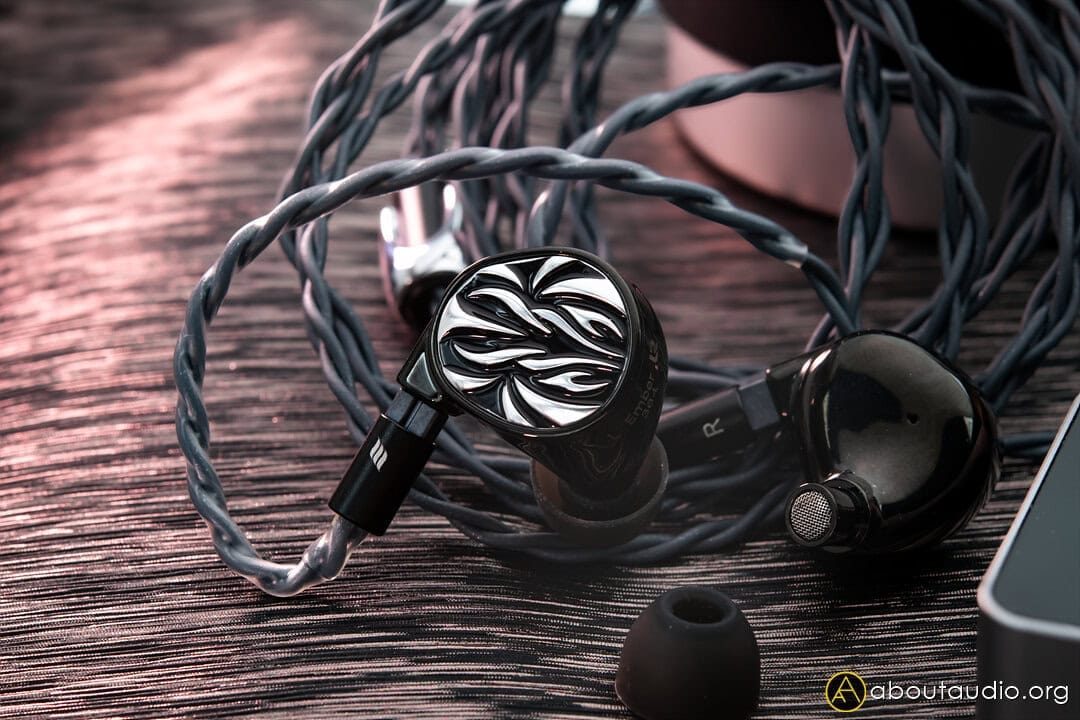
Sound Impressions – Highs / Soundstage
While the treble is slightly relaxed and smooth, it remains highly resolved with excellent extension, ensuring that micro-details and shimmer are present but never fatiguing. This “dark-lush” approach allows for incredible detail retrieval without the sharpness or sibilance that often plagues high-performance IEMs. Instruments, such as symphonic instruments and pianos, are rendered with a rich, natural timbre that avoids the “metallic” sheen sometimes found in earlier planar designs.
The soundstage is another area where the Ember excels, offering a spacious and open environment with pinpoint imaging and impressive layering. It manages to keep even complex orchestral tracks coherent and well-defined, providing a spherical stage that feels wide and deep, effectively utilizing the capabilities of the 14.8mm driver to create a truly immersive audio landscape.
Next Page: IEM Comparisons with FatFreq Quantum / Campfire Moon Rover