


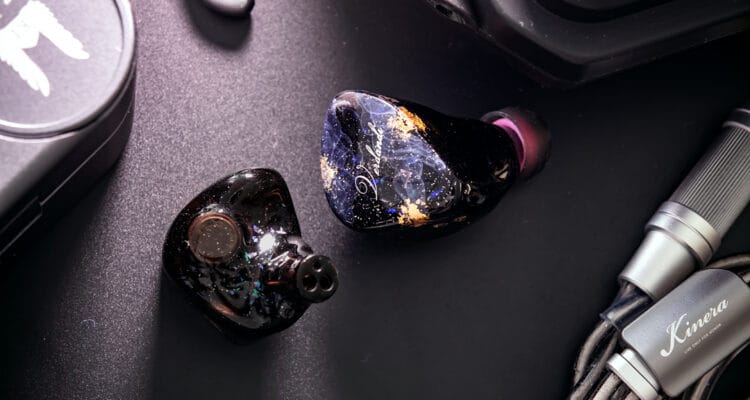
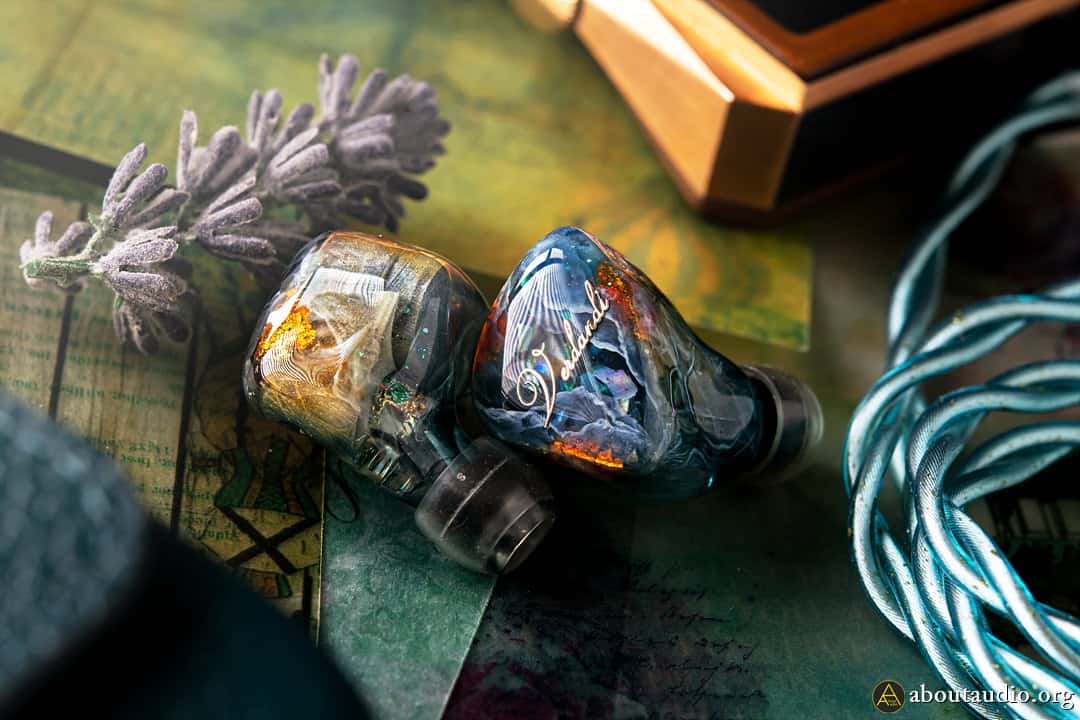
Compared to the Original Kinera Verdandi (Review link)
It’s a natural curiosity to see how original Kinera Verdandi (wired-only) competes against Verdandi TWS. The driver counts, combinations, and parts are known to be the same, except for the bone conductor drivers. The Verdandi TWS uses a slightly more compact bone-conduction (BC) driver that is physically extruded closer to the shell surface. This design allows the driver to make more efficient contact with the ear canal, enhancing the delivery of bone-conduction vibrations compared to the original wired Verdandi.
As for the sound, Verdandi TWS has a charming timbre and spatial presentation, just as the features well acknowledged with the original Kinera Verdandi. The overall style, nuance, and sound signature are very similar to the original Verdandi, though the overall sound is a bit more packed and tighter in control with the Verdandi TWS. Yet then again, Verdandi is a bit larger in overall stage.
The biggest difference between these two has to do with the vibrations perceived by the bone conduction drivers, which are much stronger and bolder on Verdandi TWS. Despite the slightly smaller diameter, the Verdandi TWS offers a better bone conduction experience due to the shell form factor being better optimized for making contact with the ear canals.
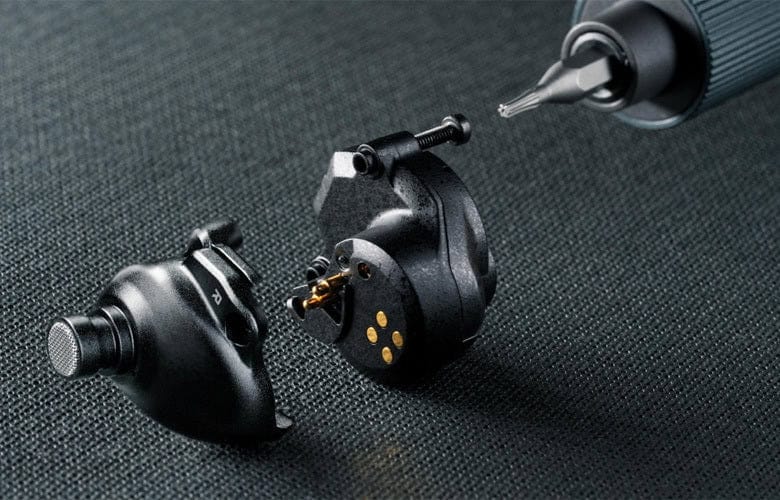
Compared to Acoustune HSX1001
The Acoustune HSX1001 is one of the most popular audiophile TWS earphones in recent days. While HSX1001 offers an audiophile-grade sound with great resolution and technicality, it doesn’t quite cut it if we’re comparing it to the Verdandi TWS. The biggest difference has to do with the soundstage and spatial layering; Acoustune HSX1001 still has a rather narrow, flat soundstage that most TWS earphones suffer with (when compared to wired audiophile IEMs). However, Verdandi TWS differs from most other TWS earphones, as it achieves the same level of wide, deep, and spatial headroom as flagship wired IEMs.
Sound signature-wise, both IEMs are reasonably similar, though apart from the above-mentioned details, the Verdandi TWS also sounds deeper in bass, with more mature and refined textures. The vocal timbre is more natural and organic, as well as being noticeably smoother. Greater resolution yet significantly less fatiguing to listen to than HSX1001.
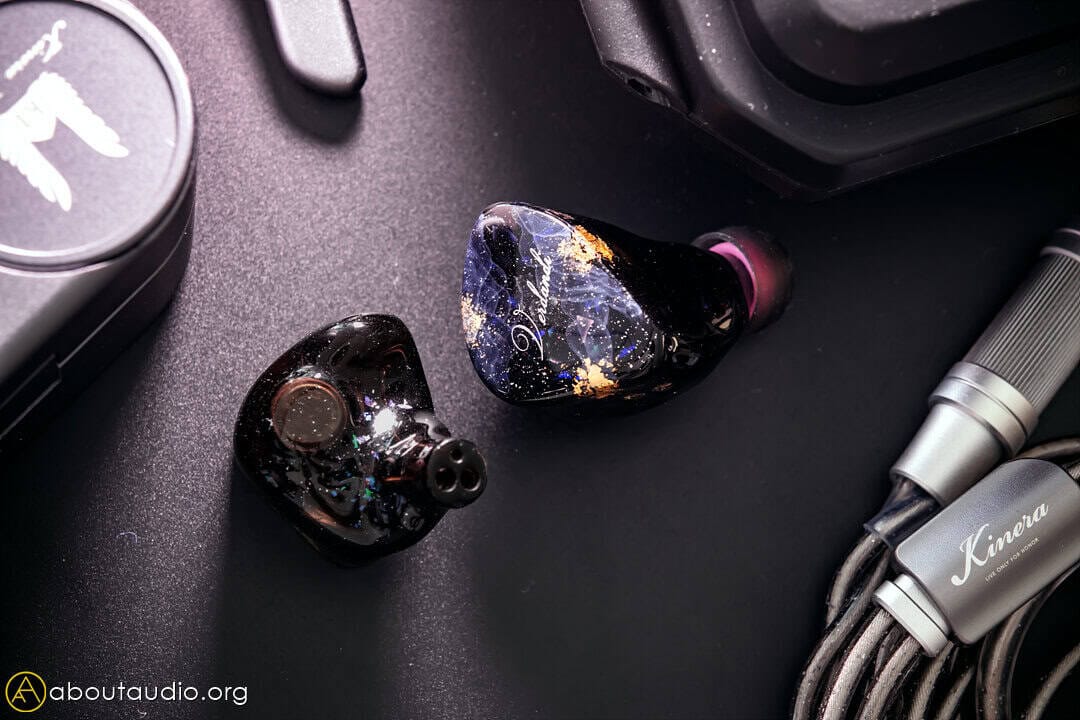
A Single Product That Covers All Needs.
Tuning a good, wired audiophile IEM is a difficult task, let alone a TWS IEM, yet Kinera singlehandedly created the most versatile IEM that excels in both fields, to a flagship, high-end level. Over the past several years, there have been several attempts by other brands where they tried to create similar products like this, though the quality wasn’t enough to cut it. However, Verdnadi TWS is a rare creation that could finally satisfy audiophiles on all occasions – both stationary or actively on the go. Alongside, Verdandi TWS thoroughly inherited the sonic charms and performances of the previous, wired-only version of Verdandi – from the elastic, immersive bass, full-bodied vocals, and airy trebles to its ergonomic comfort and hybrid functionality.
I would usually call such a well-made product like this a “must to consider”, though I’m not sure if I’ve seen any other TWS IEMs that offer this level of versatility and performance! Verdandi TWS is arguably the most complete, all-in-one flagship TWS solution currently available. If you’re looking for a TWS that can stand shoulder-to-shoulder with wired flagship IEMs while offering wireless freedom, Kinera Verdandi TWS is the benchmark.