


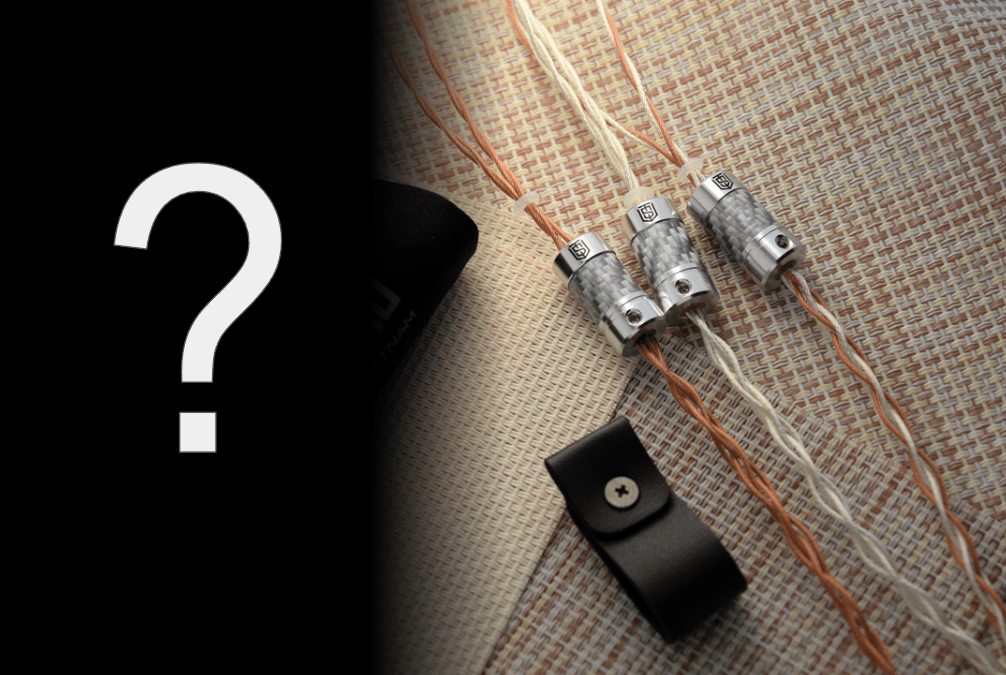
Custom cables, or “upgrade cables,” are aftermarket, standalone cables designed to replace your stock earphone or headphone cable. The reasons for choosing a custom cable vary, but most audiophiles seek them to fine-tune and upgrade the sound of their audio setup. There are countless custom cable brands out there, each with different philosophies, designs, and price points. Unless you’re swapping cables purely for aesthetics, “cable-rolling” is about finding the right synergy with your IEMs (in-ear monitors) and unlocking more of their potential.
However, the problem is that it’s difficult to know which custom cable will pair well with a specific IEM. Heck, choosing an IEM itself already feels vague—so how are you supposed to predict whether a certain cable will complement it? While there isn’t a guaranteed solution unless you physically hear the pairing yourself, I do have several general rules of thumb that’ll make your custom cable purchases and upgrades easier.
1. Fewer Wire Materials = Safer
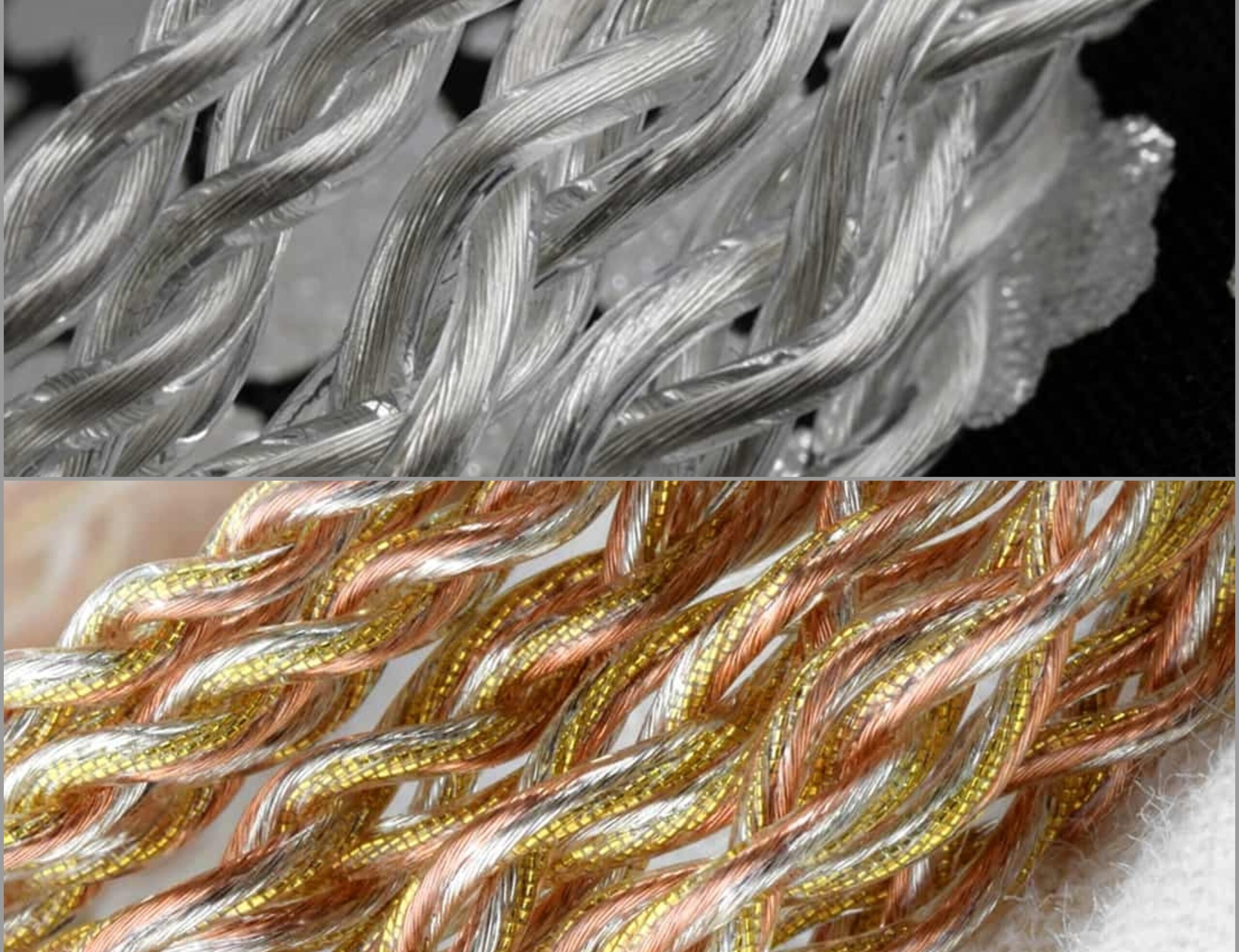
The first rule of thumb is that custom cables with fewer materials are safer choices. Multi-material cables tend to be trickier to pair and often depend on the number and type of drivers. Pure copper is the safest option, followed by silver-plated copper (SPC). If you’re deciding between pure copper and SPC, consider two things: the stock cable material of your IEM, and the change you want to bring to its sound. Pure copper generally sounds more natural and warmer in timbre, while SPC tightens sub-bass reverberations and adds a silvery shine to the upper frequencies.
Multi-metal custom cables, with complex combinations of different materials and shielding, open more potential for brands to fine-tune sound in greater detail. However, such cables can also make the sound signature rather “noncommittal,” less decisive, or dilute timbre. Multi-driver or hybrid IEMs tend to pair more safely with multi-metal cables, but unless the pairing is proven or the cable is known to be exceptionally versatile, I’d advise caution and suggest demoing the IEM+cable combo before making the purchase – especially if you’re unfamiliar with upgrade cables or planning to buy high-end ones.
2. Tuning Matters, hence the Brand Matters
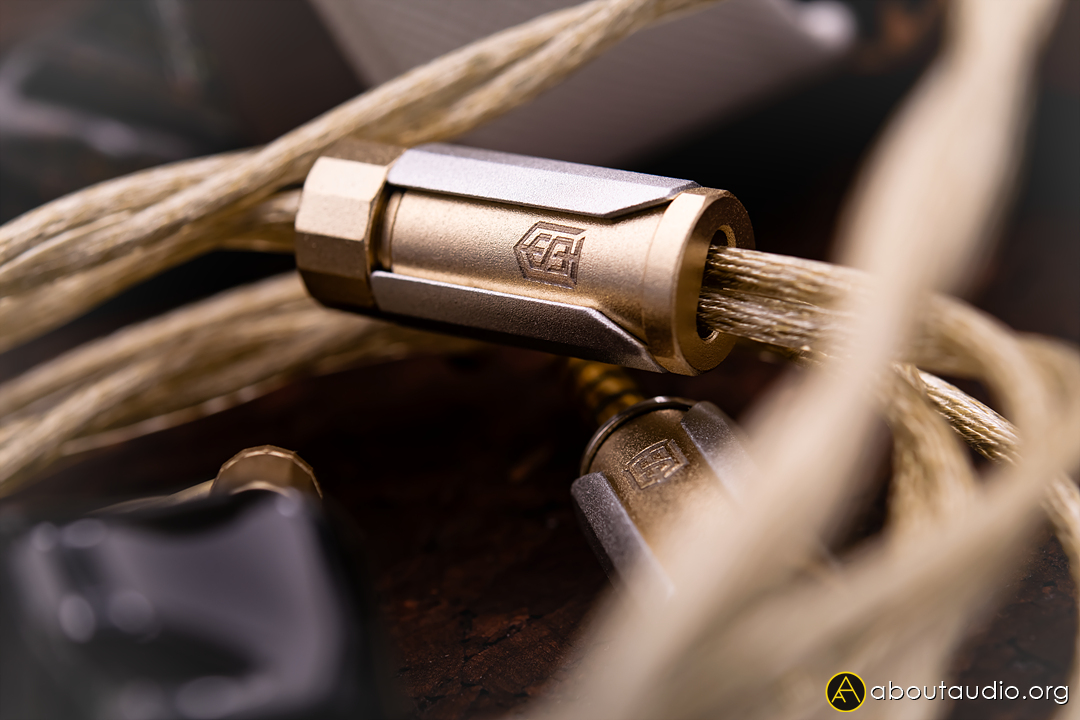
Get your custom cables from a trustworthy brand. Many budget or unlabeled cables (AliExpress, etc.) exaggerate or even misrepresent their materials and specs. Reputable brands usually have a clear catalogue that reflects their philosophy in sound tuning. These brands are more likely to have “core elements” in their tuning approach, making IEM pairing and performance more consistent.
Complex geometries demand higher expertise, so I don’t recommend buying multi-material cables from unknown manufacturers. If a cable seems suspiciously cheap despite claiming to use rare metals, that’s likely a red flag.
3. There are NO formulated sounds between different materials
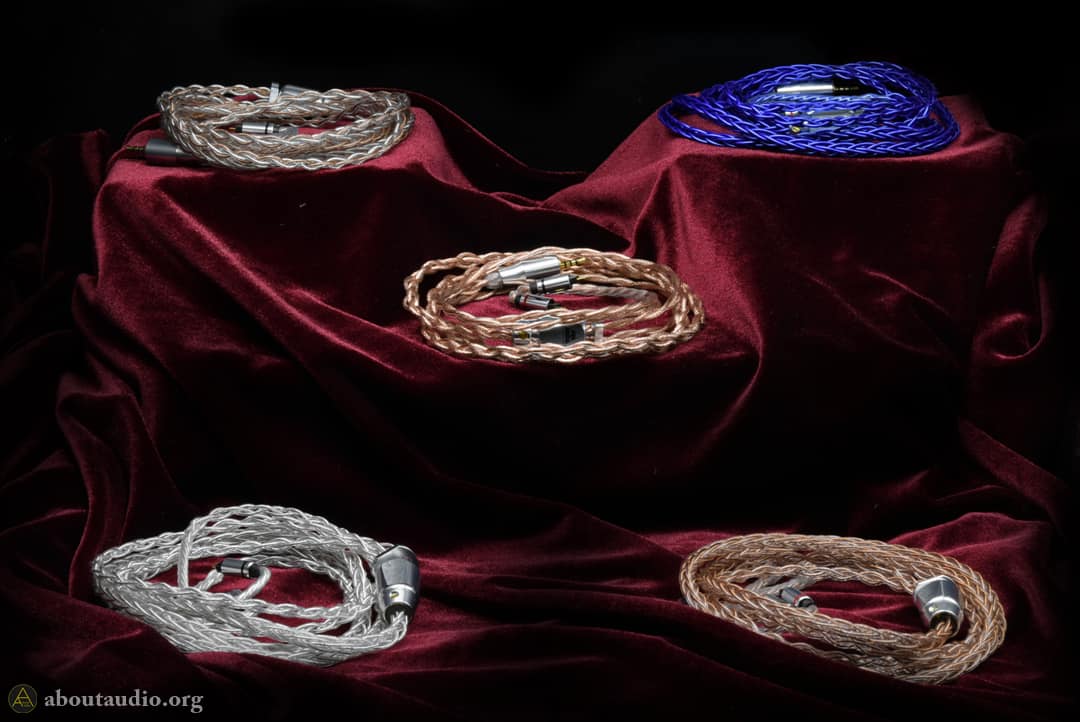
Although copper is often described as warm and SPC as bright, you must remember that materials don’t strictly determine sound. Just because the cable material is copper doesn’t mean the sound will be warm. Cable makers can tune and alter wire materials to achieve their desired signature.
Take Eletech Socrates, for example. Also featured as the stock cable for the Canpur CP622B, it’s a pure-copper custom cable that sounds neutral-bright with tightened bass control and strong transparency. Another example is Astral Acoustics Luna, a silver-plated cable. Many would expect Luna to sound deliberately bright and analytical, yet it actually comes across as warm, full, and smooth.
For budget custom cables (under 200 USD), the “copper-warm, silver-bright” stereotype tends to hold up fairly well. Still, even budget cables can break this material-based stereotype. In most cases, either due to cost-cutting or marketing, budget cables usually stick with the stereotype.

4. Rarer Metals Don’t Equal Better Sound
The biggest stereotype behind custom cables is that silver is superior to copper. That’s not necessarily true. Rare metals like gold, palladium, or graphene don’t guarantee better sound either. Rarer-metal cables certainly have their own value and are often better than your stock cable, but this perception (that such materials are inherently better than copper) is mostly driven by marketing stereotypes. Their performance lies more in the quality of the material and tuning than in the inherent nature of those metals. Graphene, for instance, may have superior conductivity, but that doesn’t automatically translate into better audio performance.
5. Single-driver IEMs prefer simpler cables
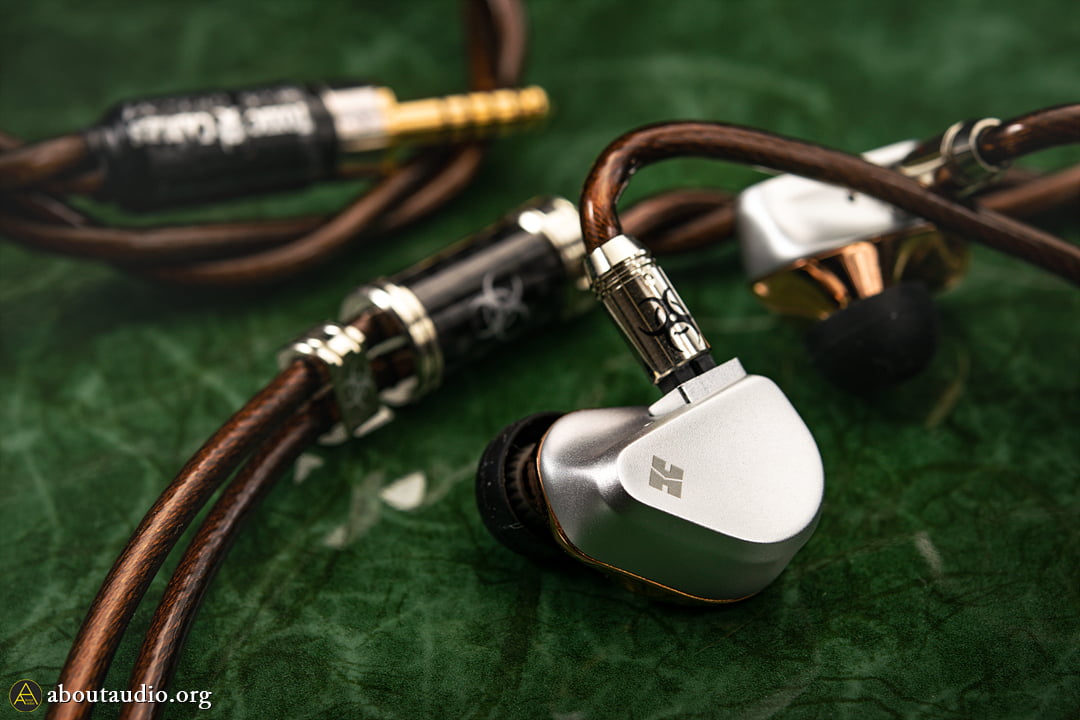
Despite a decade of cable pairing experience, cable matching still feels like a mystery box that needs opening to find out what’s really inside. However, if there’s one thing I’ve learned, it’s that single-driver IEMs (whether dynamic or planar) don’t tend to pair well with multi-material cables. No hybrids, no alloys. For these, I would recommend pure copper, SPC, or pure silver.
Magnetostatic (MST) drivers (such as Rhapsodio Supreme V3) are an exception since they aren’t technically single-driver designs. While not an absolute rule, pure copper is usually the safest choice. Copper cables are loved not because they’re cheaper, but because they’re sonically excellent.
6. Thick Cables “Usually” Sound Smoother/Warmer
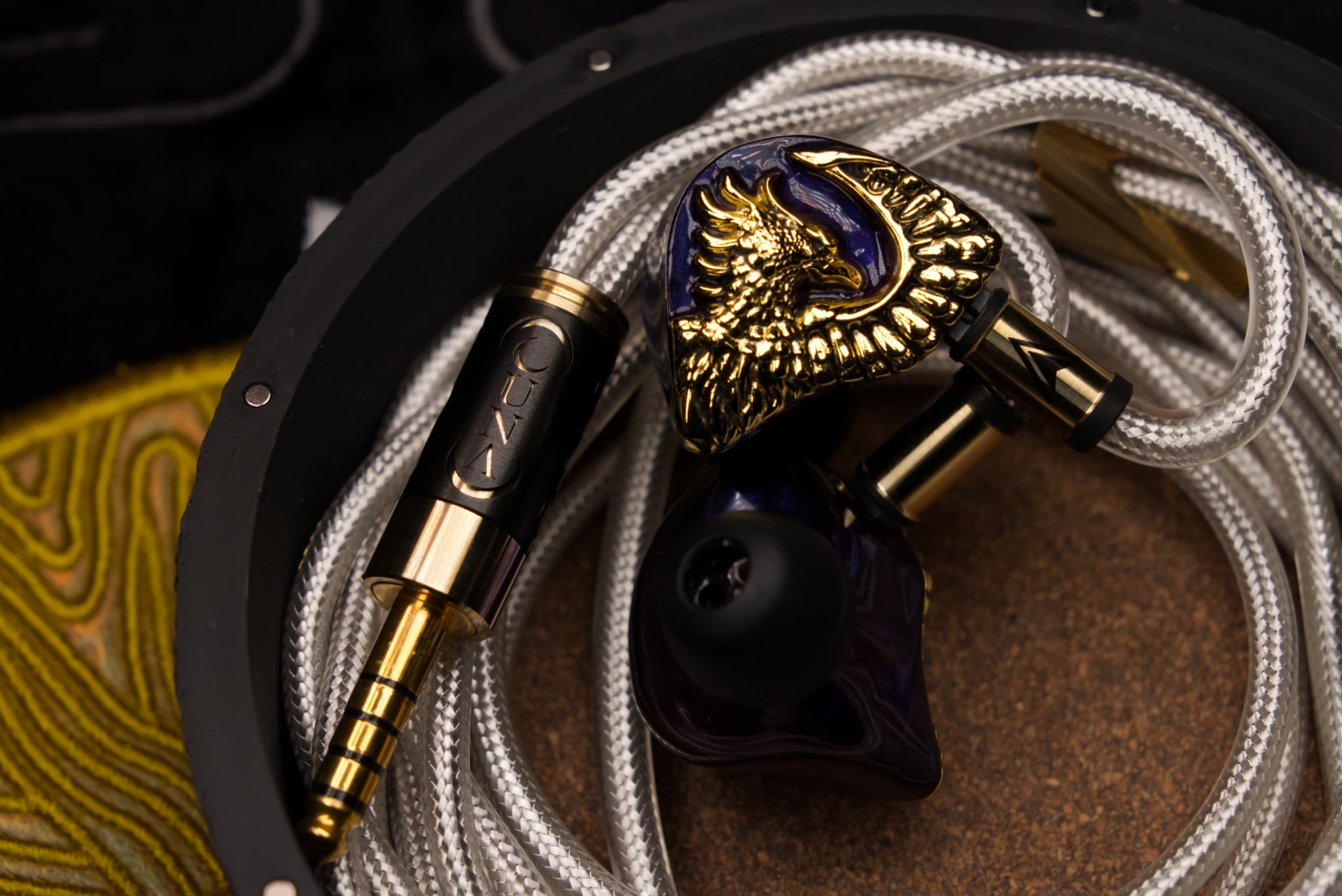
Thick custom cables, either coaxial or non-coaxial, and those with larger gauges, tend to produce fuller bass, warmer body, and smoother treble. Gauge is often labeled as “00 AWG,” and the lower the number, the thicker the wire. While manufacturers can tweak this, the natural tendency of thicker cables leans toward a smoother, warmer presentation. More surface area enhances lower frequencies and smooths out the treble.
7. Compare IEM pairing impressions from different reviewers
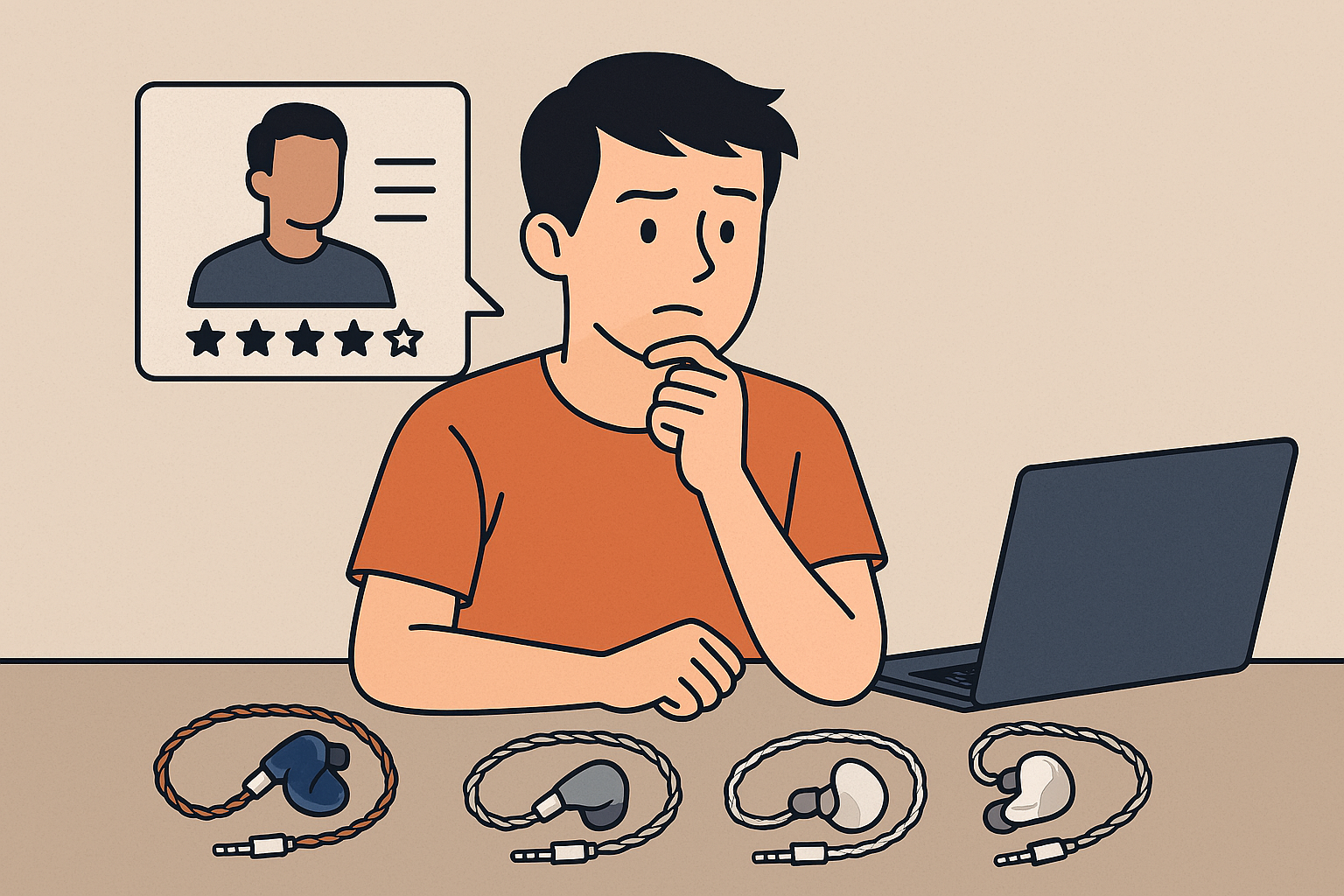
Finally, go through sound impressions from different reviewers. This helps you understand how a custom cable reacts with various IEMs and gives you a more objective sense of its sound signature. Additionally, I’d advise holding off on buying custom cables until you’ve had a chance to demo them. It’s easy to spend a large portion of your budget on an anticipated upgrade only to be disappointed. Always acknowledge that cable matching can be unpredictable unless tested with your specific IEM model.
Final Thoughts
At the end of the day, cable-rolling is never an exact science, nor are there any clean-cut equations. Until you’ve actually heard the pairing yourself, no amount of theory or reviews can give you a guaranteed answer – one person may find your IEM+cable setup fascinating, while another may not.
There will always be surprises when pairing cables with IEMs – some great, some not so much. But that unpredictability is also what makes it fun, and the reason why custom upgrade cables have become such a vital part of the audio hobby. That said, burning through your budget on a “bad surprise” isn’t enjoyable. So if you’re just starting to explore the world of custom cables, I hope the rules of thumb shared above serve as helpful signposts along your journey. 😉
-Fin-