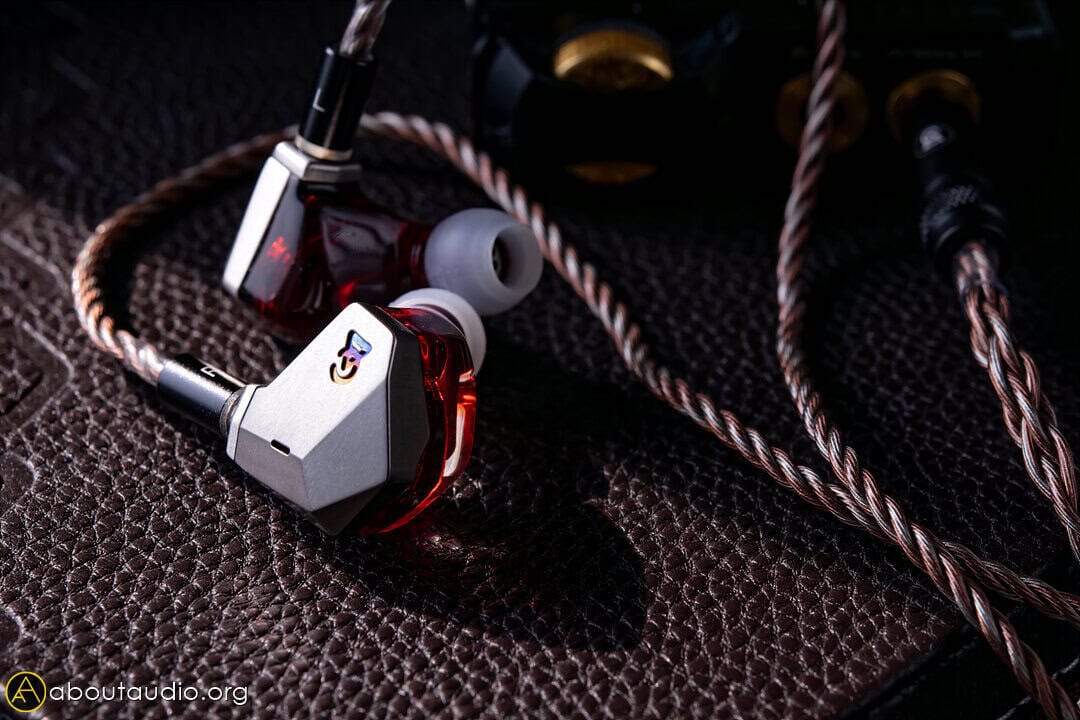


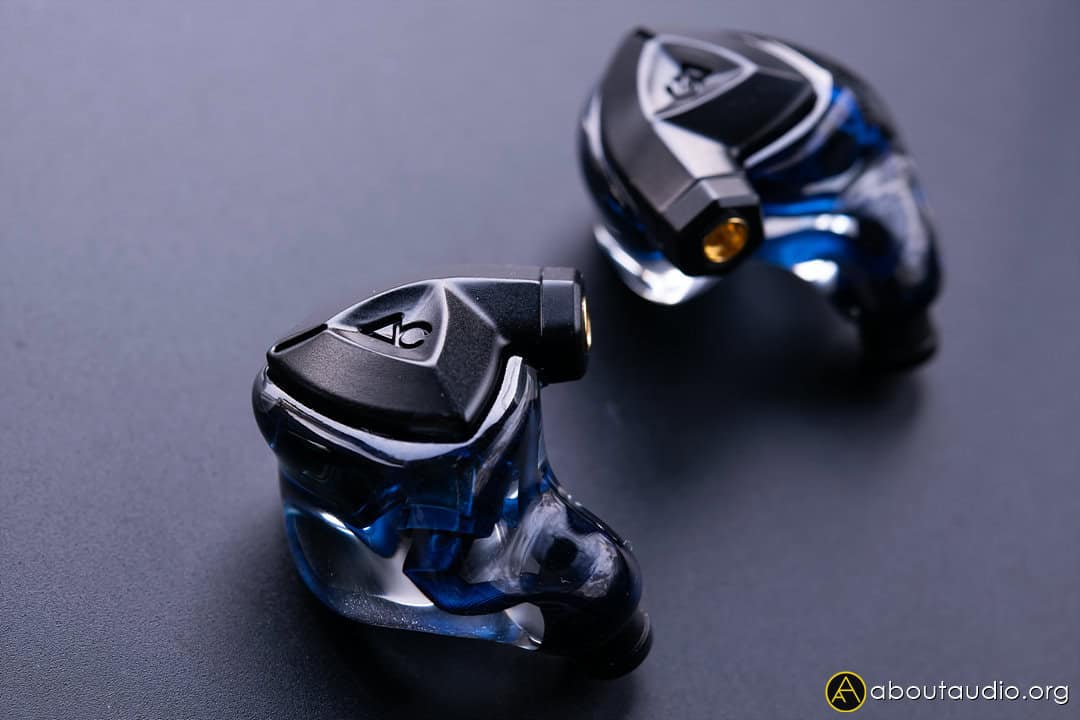
Compared to Campfire Audio Clara (Review link)
Clara is another popular IEM made by Campfire — a 1DD+4BA hybrid flagship IEM co-created with the renowned artist/music producer Alessandro Cortini, priced at $1,999. Where Clara broadly welcomes any listener and any genre, Grand Luna is a different proposition as it takes a darker, more bass-weighted, and more V-shaped sound.
The bass performance between the two paints clearly paints different pictures. Grand Luna’s planar woofer delivers a physically dense and impactful low end, a bit heavier and more forward in presence than Clara’s. Stronger and more bombastic thuds by Grand Luna. Clara’s DD bass, in return, is more nuanced and dynamically expressive, with a more natural decay and a cleaner transition into the lower mids. The mids are perhaps the biggest difference. Clara’s mids are full, present, and coherent – vocal clarity is one of its defining strengths. Grand Luna’s midrange, while smooth and organic, sits further back in the mix, with the upper mids especially rolling off in a way that can leave vocals feeling a bit recessed and lean.
Trebles are where Clara is also clearly the more complete option – Grand Luna’s highs are noticeably rolled off and tame, prioritizing smoothness over clarity or sparkle, while Clara keeps a more resolved and natural high-frequency presence. If you prefer dark and smooth, Grand Luna is an interesting personality. If you want the better all-rounder that handles more genres without compromise, Clara is the safer and ultimately stronger choice at a slightly higher price.
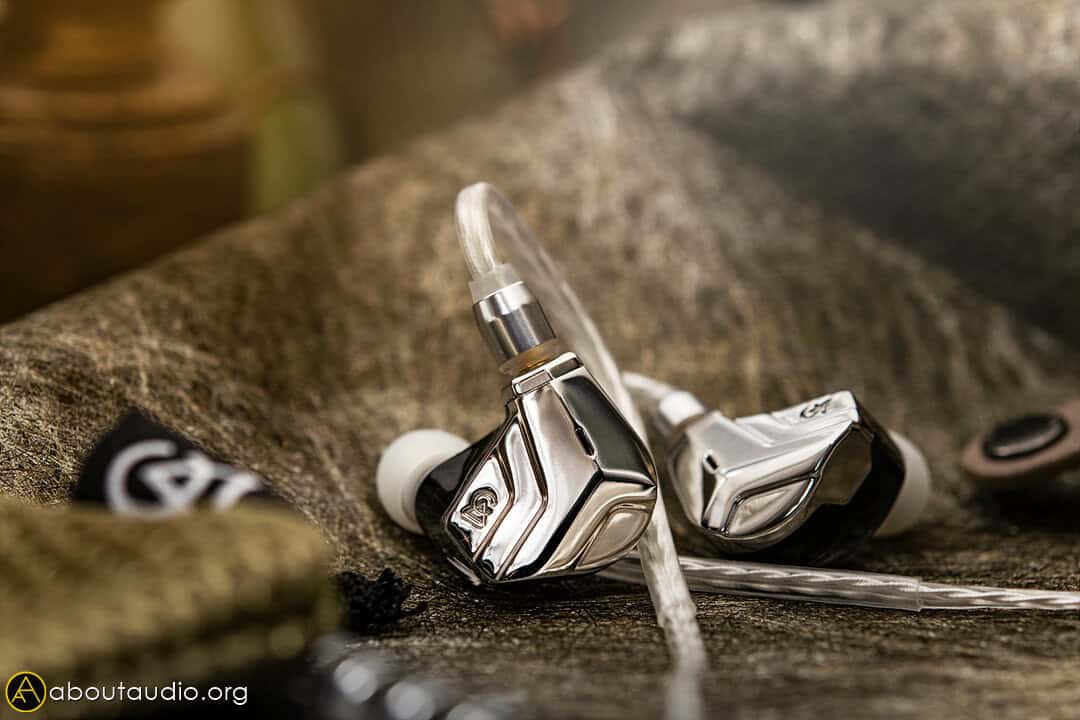
Compared to Campfire Audio Astrolith (Review link)
Next, we’re comparing Grand Luna with Astrolith – the TOTL planar IEM by Campfire Audio that features dual planar drivers. Astrolith’s planar tweeter extends with noticeably more energy, reach, and sparkle. The highs feel more open and analytically exposed – details in the upper frequencies have more presence and clarity, and the overall sound feels more aired out. Grand Luna’s BA tweeters, by design, soften and smooth that out considerably. Depending on your preferences, this will either read as refinement or as a step back in the treble department.
Bass performance is close between the two, given that they share the same driver lineage for the low end. The texture and character of the low-end are similar – that distinctive planar density and evenness. Astrolith’s bass is slightly tighter and faster in transient response, while Grand Luna’s leans a bit fuller and rounder, which contributes to its darker overall color. Neither outdoes the other dramatically in bass quality – it’s a more subtle difference here than in the highs.
The midrange is where Grand Luna’s upper-mid recession becomes more apparent when placed side by side with Astrolith. Vocals on Astrolith are more present and open, particularly in the upper mids – they breathe more freely and carry more transparency. Grand Luna keeps the mids warmer and more recessed, which makes the sound smoother but also less defined in vocal clarity.
While the Astrolith remains the choice for those seeking ultimate transparency and treble air, the Grand Luna carves out its own identity as a more intimate and savory performer. The decision to utilize BA tweeters instead of a planar super-tweeter provides a natural, silvery shine to the highs that feels remarkably cohesive with the lush low-end. From the flame-treated boutique quality of the faceplates to the genuinely useful Time Link modular system, Campfire Audio has delivered a package that feels intentional and premium in every right way. If you are looking for a flagship that prioritizes emotional engagement and a rich, “Blood Moon” character without sacrificing the technical standards of a summit-fi monitor, the Grand Luna is an easy recommendation to make. It is a soulful, deeply immersive experience that proves sometimes the most “Grand” statements are the ones made with the most grace.
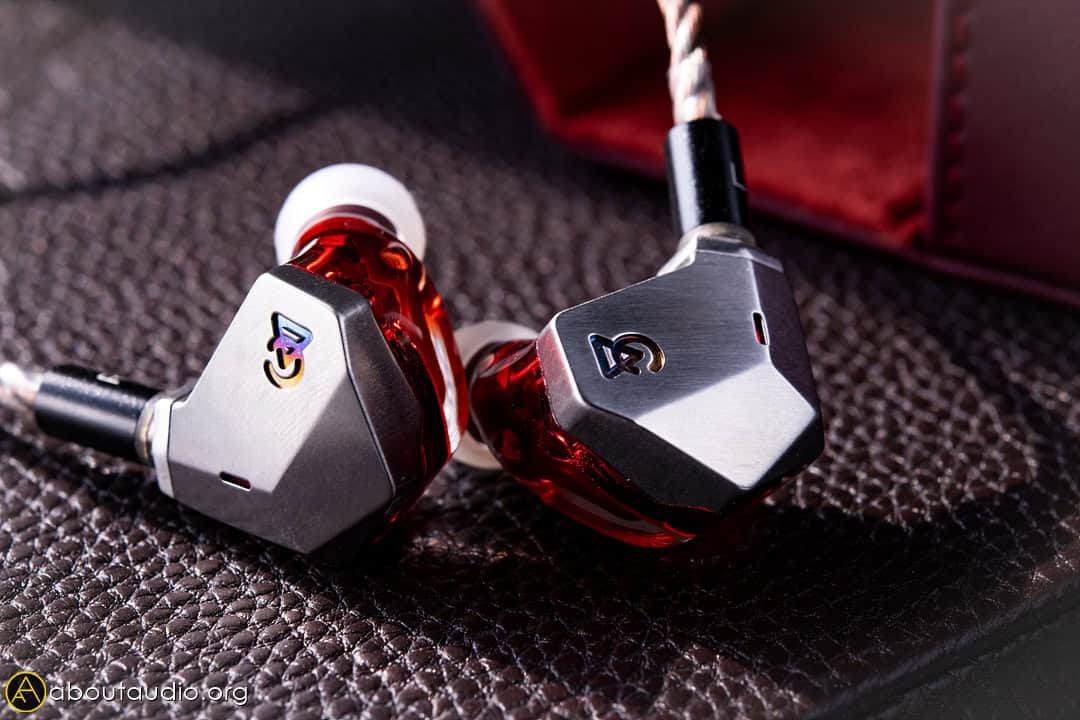
Grand Luna Tackling the Old “Planar Dilemma”
I’m sure many others who have experience with planar drivers would have a similar thought, though I’ve often found that planar IEMs walk a thin line between technical brilliance and harshness. The Grand Luna, however, is a rare embodiment of technical agility met under a warm, organic sound signature. The “Grand” moniker is well-deserved here, as the 14mm planar driver creates a sound that scales large and whole, offering a headroom that is far more immersive than its compact shell would suggest. Campfire Audio has successfully defied the “planar dilemma” of shouty or sibilant vocals, replacing that typical stiffness with a creamy, moisturizing texture that is both soothing and highly resolving.
Despite Grand Luna having a rather unusual driver combo, you’ll soon realize that such a driver setup wasn’t made to draw community attention or forced to create something new – but to solve and tackle the planar dilemma. Grand Luna is a specialized IEM highly recommended for those who value mysteriously spatial soundstage and a noble, fatigue-free presentation over raw, analytical aggression. If you’re interested in clean, large bass vibration with smooth and thick vocals, make sure to check these out – it’ll show you why the name “Grand”.