


Sound Impressions: Lows / The Big Driver Sound
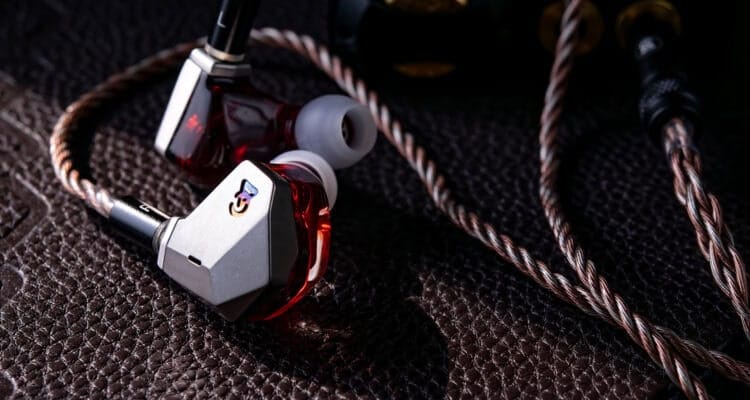
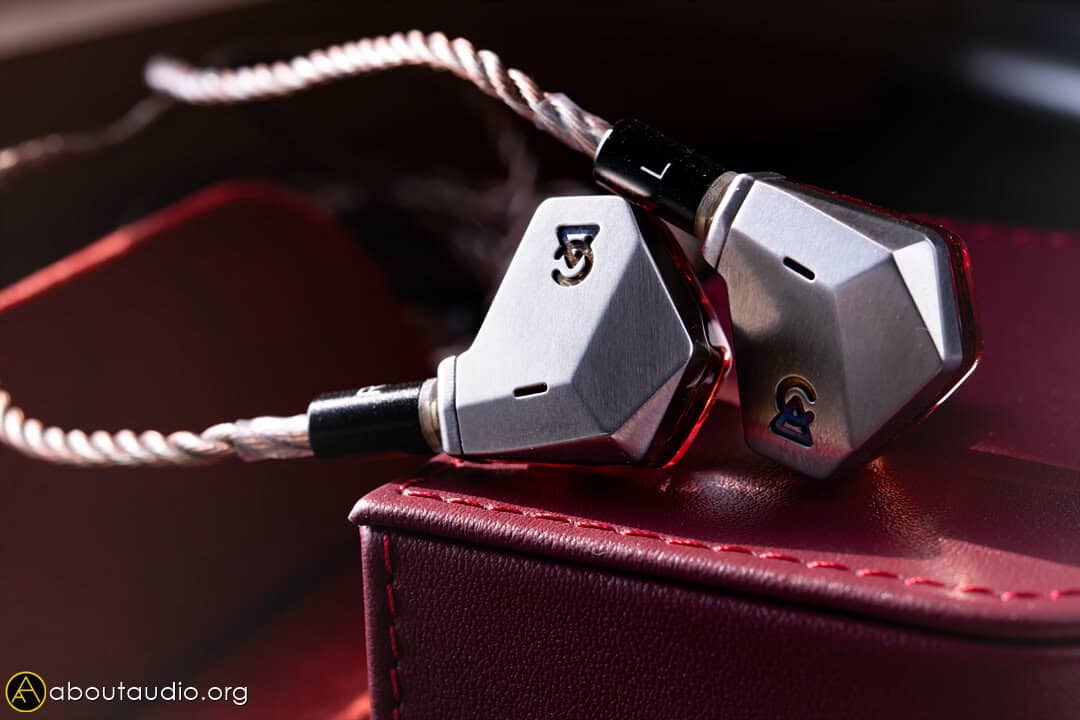
Standard IEM driver size for DD or Planars is about 10mm, yet Grand Luna uses the 14mm – perhaps the reason it’s named as “Grand” Luna instead of Luna. While this may not seem like a big deal, the thought changes when you give these a listen, starting from the bass. Grand Luna’s bass feels vast by nature. It’s not only a matter of scaling or expanding large, nor is it about boosting sub-bass to sound thick. The bass comes from a large area by nature, which you could tell from the presence of a larger driver. Lows are lush and smooth, having more of a DD-like timbre and texture. However, as you go into details, you could soon tell Grand Luna uses a planar driver woofer.
Grand Luna thoroughly embodies the benefits of planars – bass that are roomy, agile, and even in density. Employing a planar woofer allows Grand Luna to keep a tighter, cleaner reverb control over the sub-bass. The bass dives deep into the ultra lows with ease and clarity, providing one of the finest ultra-low performances. With deep-diving lows, Grand Luna maintains a surprisingly consistent and even flow across the low-end spectrum. Because of this, sub-bass doesn’t get clumpy while having very thick, strong, and rich bass quantity. The bass doesn’t get into your face or get too bombastic. Unless you’re into aggressive sub-bass reverbs, Grand Luna’s bass presentation would please you, showing how basshead sounds could be done without getting overly exaggerated.
Sound Impressions: Mids / The “Planar Dilemma”
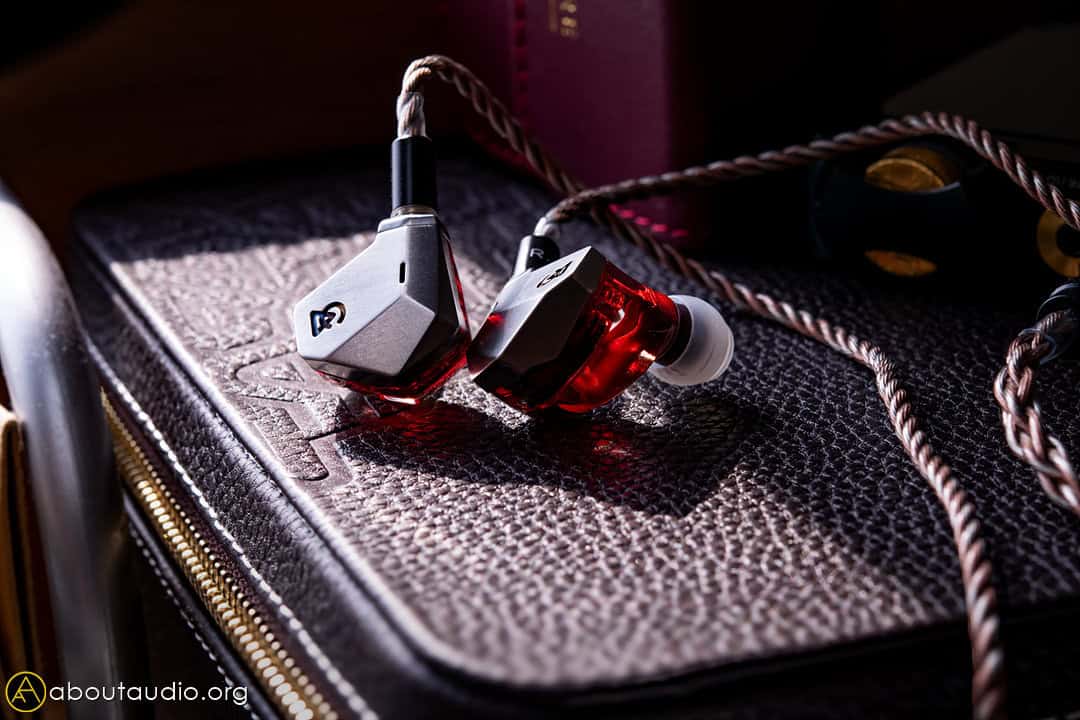
When thinking of planar sounds, the first thing that comes to mind is the shouty, sibilant vocals. Although there are fine examples of planar IEMs that controlled the mid-range shoutiness (such as FatFreq Quantum or Artpical Blue Planet), the mids are nonetheless more on the stiffer, neutral-brighter side. Well, Grand Luna defies logic, as Grand Luna’s mids are as smooth as it can get. Making a very natural transition from the sub-bass, the vocals are soothing and full-bodied. Textures are soft without losing crisp or fine details, with vocal timbre being neutral-warm and accurate.
Alongside, as explained while covering the bass, the mids also benefit from the large driver size – large, vast, and full-bodied vocals that aren’t bloated but evenly spread across the stage. Grand Luna’s mids are thicker and fuller than your standard planar IEMs. Timbre is warm and organic as a soothing dynamic driver sound. I’ve found it impressive how the mid-range isn’t only tuned to sound fatigue-free without having the vocals sound subdued. From the lower mids to the upper mids, Grand Luna maintains the coherence in timbre and phasing with no sibilance or the upper-mid bite. Excellent layering with spatial vocals keeps the mid-range immersive to listen to.
Sound Impressions: Highs / Soundstage
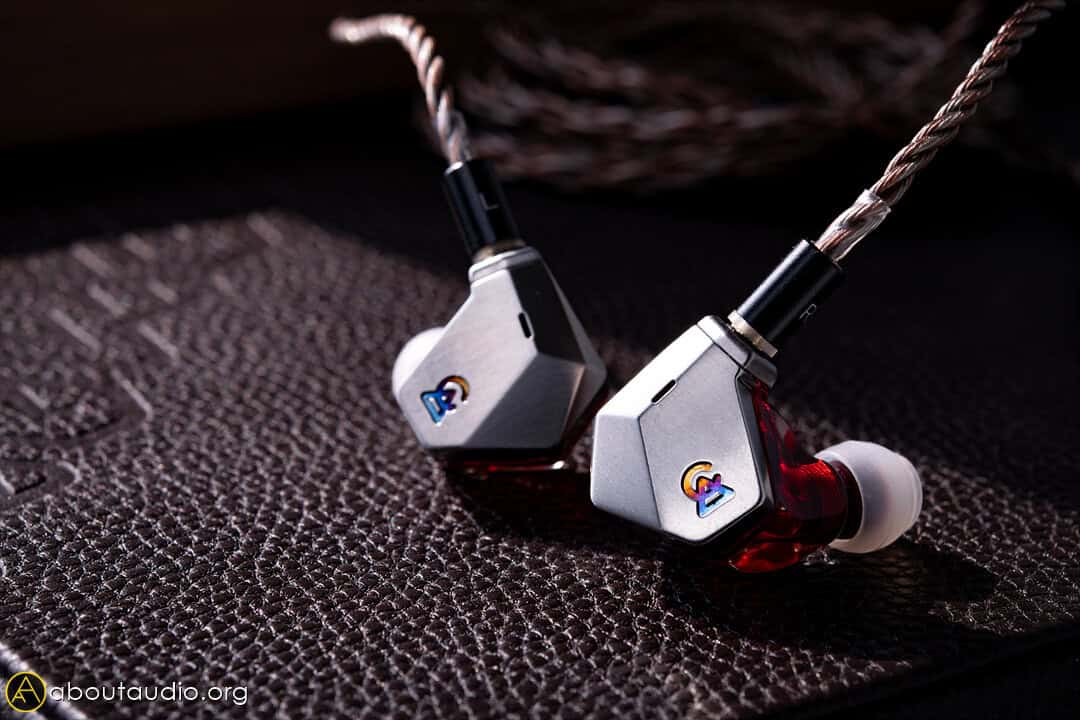
Since the lows and mids were soft and smooth, the highs are where Grand Luna could use more air and brightness, which Grand Luna does with the 2BA tweeters. The unusual PL+BA hybrid setup may think the sound may be quirky, but the highs are nicely done here. Campfire Audio has done a meticulous job, as the timbre connection between mids and highs is quite seamless.
Trebles are calm, though with stronger transparency, air, and technicality than the lower frequencies. Those who need striking and shivering treble transparency may find Grand Luna rather too gentle, though those treble-shy listeners will find Grand Luna refreshing, because the details and crisps are still delivered while keeping it strictly fatigue-free. However, I’d like to stress that Grand Luna doesn’t suffer in treble details or extension – highs extend naturally and cleanly, it’s just that they play a supportive role for lows and mids.
Soundstage has a good sense of depth and layering, which is one of Grand Luna’s stronger traits outside of the bass. Width is average or above-average, but the imaging and separation within that stage are precise, with exceptional depth extension. It’s a more focused and intimate headroom rather than a wide, expansive one.
Next Page: IEM Comparisons with Clara / Astrolith & Verdicts