


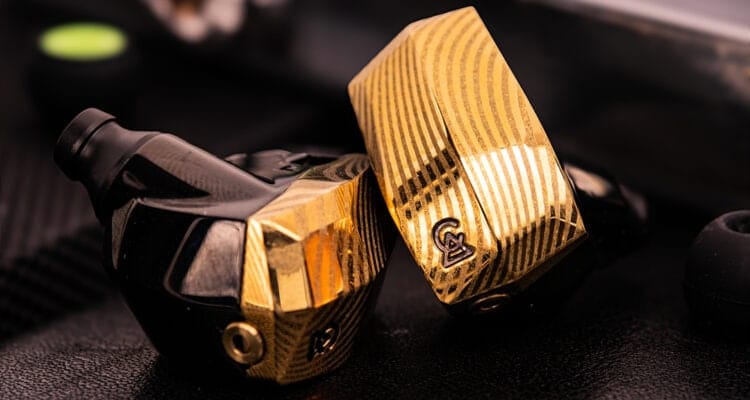
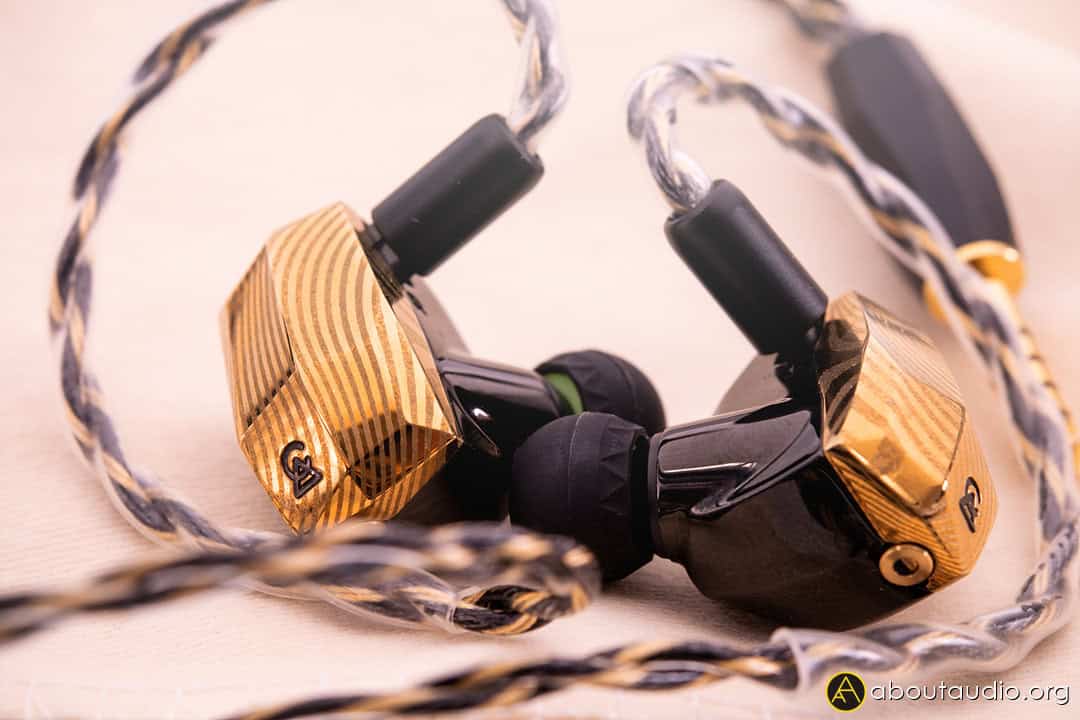
Sound Impressions: Bass, Strike & Decay
Andromeda 10 has an all-rounder, neutral-warm sound signature. For full-BA setups, it’s very common for the bass to have snappier bass decay and round-edged textures. These traits were also relevant to the previous Andromedas, fairly speaking. The sub-bass quantity of Andromeda 10 is equivalent to gently v-shaped IEMs. The key difference from other full-BA IEMs is that Andro 10’s bass sounds a lot more natural, airy, and organic – in both texture and timbre. The bass retrieval is agile and snappy enough, yet with a more naturally gradual bass strike and decay, offering a dynamic driver-like experience without numbing the micro details.
However, this doesn’t mean the Andro 10 tries to make the sound ‘less full-BA’ or mimic a dynamic driver; refining and perfecting the full-BA presentation would be more appropriate for the Andro 10. The crisp, rigid, and hard bass slams that are iconic for full-BAs are pleasant, and the sub-bass is sure tightened – it’s just that the bass sounds a lot more natural and technically superior. The ultra-low extension is great with the bass flowing steadily across the low-end spectrum. The sub-bass is thick in body but doesn’t reach basshead levels, keeping it pretty neutral. However, Andromeda 10 never lacks in bass detail, depth, and fullness. If your preference leans towards balanced tuning or you enjoy strong bass to a sub-basshead level, Andromeda 10’s bass will be rich and plentiful.
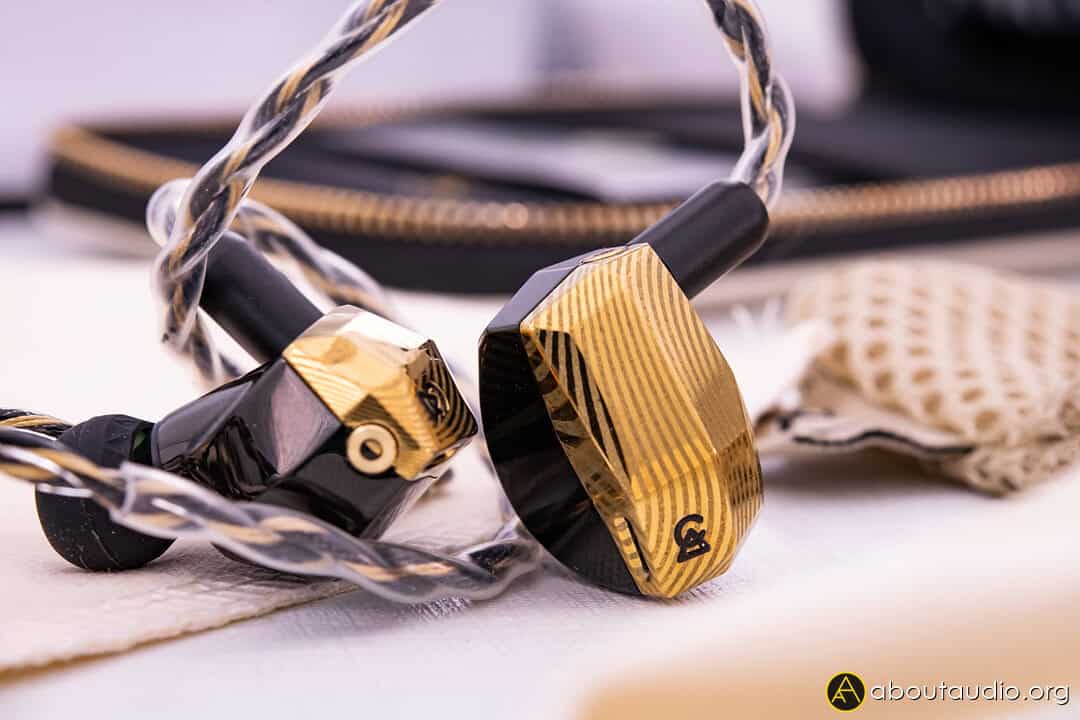
Sound Impressions: Vocals / Timbre
While Andromeda 10 has greatly evolved from past versions in every way, the vocal timbre is where you can tell that Campfire Audio put effort into preserving the ‘Andromeda DNA’. So what are the trait that makes a sound to be uniquely Andromeda-like? I’d define it as the wholeness or fullness of the vocals with creamy, majestic timbre. Andromeda 10’s mid-range fully captures what people loved about the Andromeda series, with improved performance and accuracy.
Vocals are neutral-warm but concurrently have a silvery shine throughout the mid-range – another key element that makes it Andromeda. It has a crisp, tight texture in the upper mids without getting dry or sibilant. I can tell Campfire Audio maximized the vocals to be resolution-demanding while staying comfortable and organic to listen to. Andromeda 10 offers rich, spatial layering, providing that distinctively multi-driver experience while still sounding very cohesive. A gradual, natural transition occurs as the sound shifts from sub-bass to the lower mids. The lower mids don’t sound subdued or distanced, maintaining a remarkable tonal/textural stability across the spectrum. Mids are neutral-thick, offering the wholeness (or fullness) of the original Andro, but a bit tighter, with noticeably better reverb and decay control.
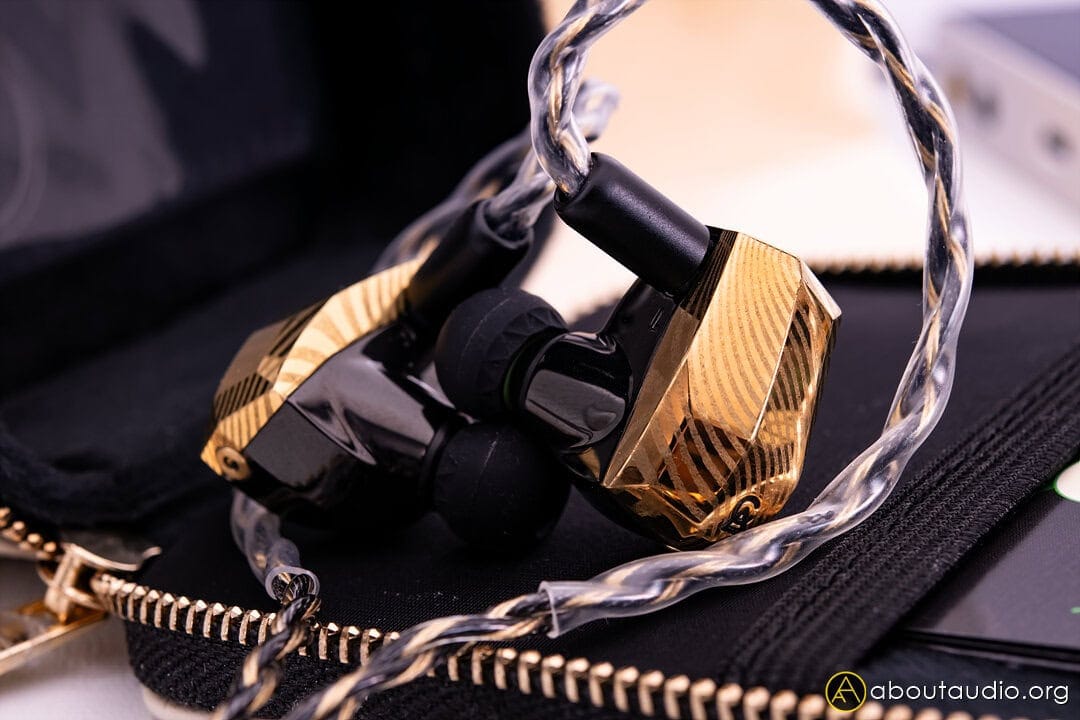
Sound Impressions: Highs / Soundstage
There were days when featuring EST (electrostatic) drivers for the trebles was the brand-new thing, though now it’s almost become standard practice for brands to use them for the super tweeters. However, as mentioned earlier, Campfire Audio is perhaps one of the rarest that insist on not utilizing EST drivers. At the same time, many would consider BA drivers to lack in performance and extension compared to EST drivers, though that’s not quite the case in Andromeda 10. The Andromeda 10 makes a significant leap in treble performances compared to their legacy products.
Well-respected flagship IEMs, such as Forte Ears Macbeth, Canpur CP752B, or AME Raven, serve as excellent examples of how to make trebles pleasing to listen to without getting sibilant. However, they still have the limitation that treble-shy ears may find the upper frequencies rather spiky or bright. In fact, using BAs instead of EST drivers gives Andromeda 10 an advantage of its own; to be fuller, more powerful, and more natural in tone.
The trebles of Andro 10 are dense and quite expansive. Yet again, the texture doesn’t get shrill or grainy. Highs are naturally toned down in quantity and brightness compared to the mids, overall forming a natural tonal balance that respects both clarity and comfort. Andromeda 10 doesn’t allow the assumption that its trebles, generated with only BAs, would sound murkier or duller than ESTs. It’s not the technical monster or the bombastic type that strong W-shaped IEMs would be, yet Andromeda 10’s technical standards in the upper frequencies don’t fall short of those of competitor flagship IEMs.
Andromeda 10 has quite a large staging area, providing headroom comparable to a nice, roomy monitoring booth. It doesn’t oversaturate the ambiance but tends to reproduce how music would naturally sound or how an earphone should sound. Of course, the quality and scale of sound that Andromeda 10 produces are more than a mere earphone. The headroom, depth, and immersiveness are enough to live up to the flagship status and Andromeda’s long-standing fame.
Next Page: IEM Comparisons with Andromeda 2020 / Clara / Canpur CP622B & Final Verdicts